

Along El Salvador’s Pacific coast, a string of once-quiet surf towns now pulses with activity. President Nayib Bukele’s Surf City program has transformed these areas into a national showcase, drawing surfers and travelers with promises of perfect waves and modern facilities. The initiative has sparked a surge in visitors and economic activity, yet it raises pointed questions about debt levels, ecological strain, and the human cost of the security measures that underpin its success.
The project marks a sharp pivot for a country long plagued by violence. Bukele’s administration has poured resources into coastal development, betting on surf tourism to drive growth. Local residents in places like El Tunco and El Zonte report more business, but some voice unease over rapid changes that favor outsiders.
Surf City began as a targeted effort to capitalize on El Salvador’s renowned right-hand point breaks. Officials launched it in 2019, focusing on the department of La Libertad, home to spots like Punta Roca and El Sunzal. The program quickly expanded to cover a broader swath of the 320-kilometer coastline, from Ahuachapán in the west to La Unión in the east. It now operates in phases: Surf City 1 centers on La Libertad’s beaches, with upgrades to roads and public areas. Surf City 2 targets the eastern region, including Usulután and San Miguel, aiming to create a connected network of destinations.
Growth has accelerated. Phase 1 kicked off with the construction of the Camino a Surf City highway, a dual carriageway that eased access to beaches. Later phases added boardwalks, sewage and water treatment systems, signage, parks, and digital tools like apps for tourists. The Central American Bank for Economic Integration has funded much of this, including a $113.9 million loan for road expansions and $70 million for sanitation improvements. These works benefit around 125,000 people, officials say, by modernizing outdated systems.
Tourism has responded strongly. Visitor numbers climbed 81 percent between 2019 and 2024, hitting a record 3.9 million international arrivals last year—a 17 percent jump from 2023. Many come from the United States, neighboring Central American countries, and Europe, lured by affordable flights and social media hype. Revenue from tourism reached $3.5 billion in 2024, accounting for 14 percent of gross domestic product. Officials credit Surf City for much of this, though improved safety under Bukele’s policies plays a key role. Homicide rates have plummeted, shifting perceptions from “murder capital” to welcoming destination.
The coastal economy feels the shift. New jobs emerge in hotels, restaurants, and surf schools. Small businesses, often run by women, make up 75 percent of the sector’s 3,950 active firms. Real estate values rise in hotspots like El Tunco, where beachfront properties draw investors. Surf-driven enterprises thrive: schools teach beginners, guides lead tours, and shops sell gear. Yet pressure on housing pushes up costs, and not all locals benefit equally. Fishermen and farmers in eastern areas report displacement risks from new developments.
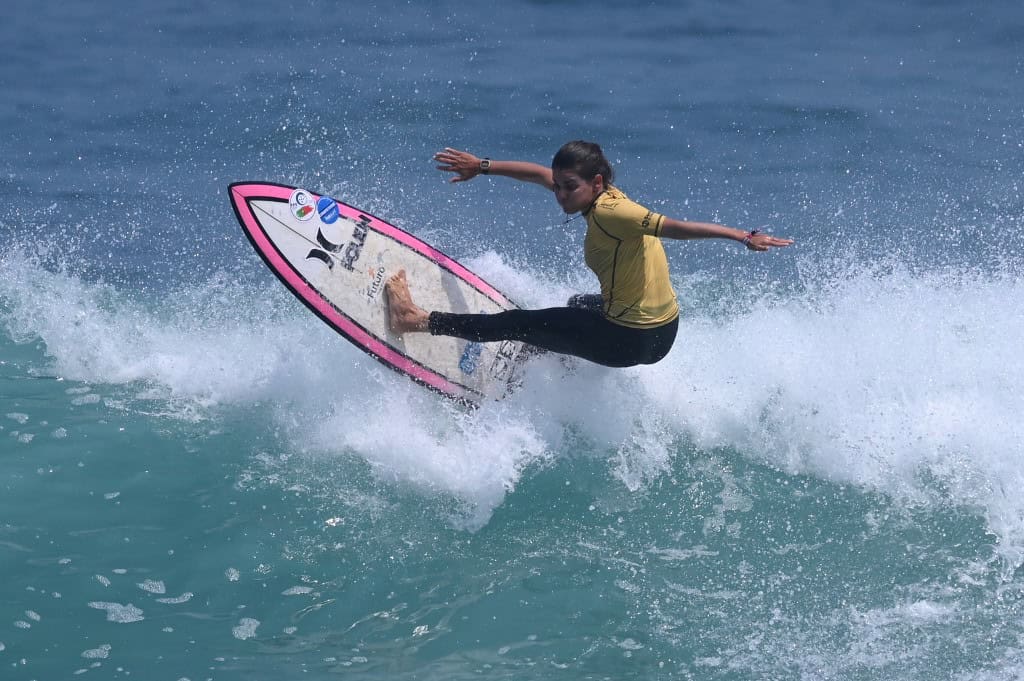
Professional surfing anchors the strategy. The World Surf League holds major events here, turning El Salvador into a fixture on the global circuit. The Surf City El Salvador Pro, a Championship Tour stop at Punta Roca, runs annually since 2021. In 2025, it crowned Gabriela Bryan and Jordy Smith as winners amid pumping waves. The Longboard Championships at El Sunzal draw crowds too, with the 2024 event showcasing footwork on the point’s long lines. These competitions boost visibility—live streams reach millions—and feed the government’s narrative of El Salvador as a surf powerhouse.
Local surfers gain from the spotlight. In La Libertad and El Tunco, kids join programs that provide boards and coaching, fostering talent. Schools report more students, and pros like Bryan Porras credit events for inspiring youth. WSL’s presence brings sponsorships and training opportunities, helping communities build skills beyond tourism jobs.
Still, trade-offs loom large. Environmentally, construction stirs worries. Highway expansions and boardwalks alter shorelines, heightening erosion in vulnerable spots. Wastewater remains an issue; while new plants treat sewage for 125,000 residents, surface waters stay polluted from past neglect. Critics question if “eco-friendly” claims hold up, pointing to risks in areas like Punta Mango, a protected reserve in the east. Development there could harm mangroves and wildlife, they argue, despite pledges for sustainable builds.
Socially, Surf City’s shine contrasts with El Salvador’s security crackdown. Since a 2022 state of emergency, authorities have arrested over 80,000 people in anti-gang sweeps. This has slashed violence, enabling tourism’s rise, but human rights groups document abuses: arbitrary detentions, overcrowding in prisons, and deaths in custody. The country now leads the world in incarceration rates, at 1.7 percent of adults. Locals in coastal towns navigate this tension—grateful for peace but wary of repression. Critics, including exiled activists, say the model replaces gang terror with state control, stifling dissent.
In Central America’s surf scene, El Salvador stands out for its bold push. Costa Rica leads with eco-tourism and spots like Tamarindo, drawing consistent crowds. Nicaragua offers uncrowded waves in places like Popoyo, though political instability slows growth. El Salvador, with government-backed events and infrastructure, carves a niche as an up-and-coming hub, blending accessibility with world-class breaks.
As phases advance, Surf City tests El Salvador’s balance between progress and preservation. Tourists ride the waves, but the project’s long-term ripple effects on debt, nature, and rights will shape the coast’s future.





