

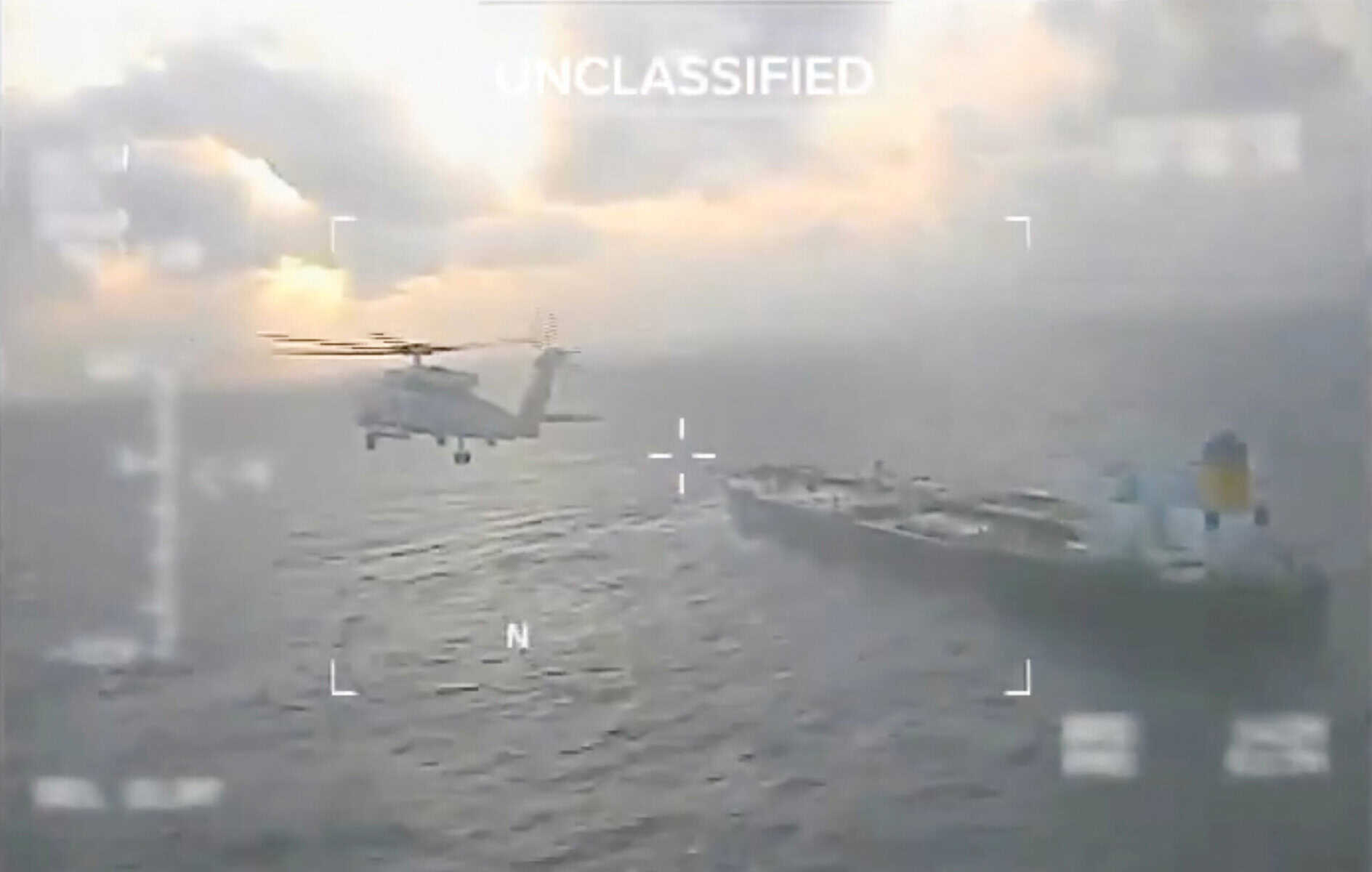
Panama’s government plans to discipline several oil tankers flying its flag after U.S. authorities targeted them for breaking rules. Foreign Minister Javier Martínez-Acha made the statement on Friday. He said these ships ignored Panama’s maritime laws. The move comes after the U.S. seized the supertanker Centuries in the Caribbean. Officials suspect the vessel carried Venezuelan crude against global sanctions.
Panamanian probes found that the Centuries and similar ships used shadow fleet tactics to avoid scrutiny. Issues included turning off satellite trackers, repeated hull name swaps, mismatched records, and odd routes after leaving Venezuelan ports, with gaps in tracking. “Panama aims to keep its registry—one of the world’s biggest—clean,” Martínez-Acha said. He stressed that the nation refuses ties to hidden energy trades.
Due to these breaches, the Panama Maritime Authority looks at revoking registrations for the problem ships. This de-flagging stands as Panama’s toughest penalty, leaving a vessel unable to sail legally and shunned by ports worldwide. The Centuries case fits into a wider U.S. push against secret oil hauls. The U.S. Coast Guard has ramped up Caribbean patrols to break up networks moving banned crude from Venezuela, Iran, and Russia.
Beyond the Centuries, the U.S. monitors ships like the Bella 1, linked to evasion methods using convenience flags and identity switches. As the Venezuelan sea blockade tightens under Operation Southern Spear, the U.S. and Panama step up to dismantle the shadow fleet. Yet, U.S. Navy rules bar seizing civilian merchants, so the Coast Guard handles all boardings as the main enforcement arm.
Two key tankers have fallen into U.S. hands so far: the Skipper on December 10 and the Centuries on December 20. The Centuries held 1.8 million barrels headed for China. This highlights strains in regional fuel trade, where sanctions aim to cut cash flows to pressured regimes. Panama, central to sea transport, balances its open registry with calls for tighter oversight.
Probes go on, with final rulings on penalties expected soon. Meanwhile, Caribbean trade paths may shift, affecting energy supplies to Asia and beyond.





