

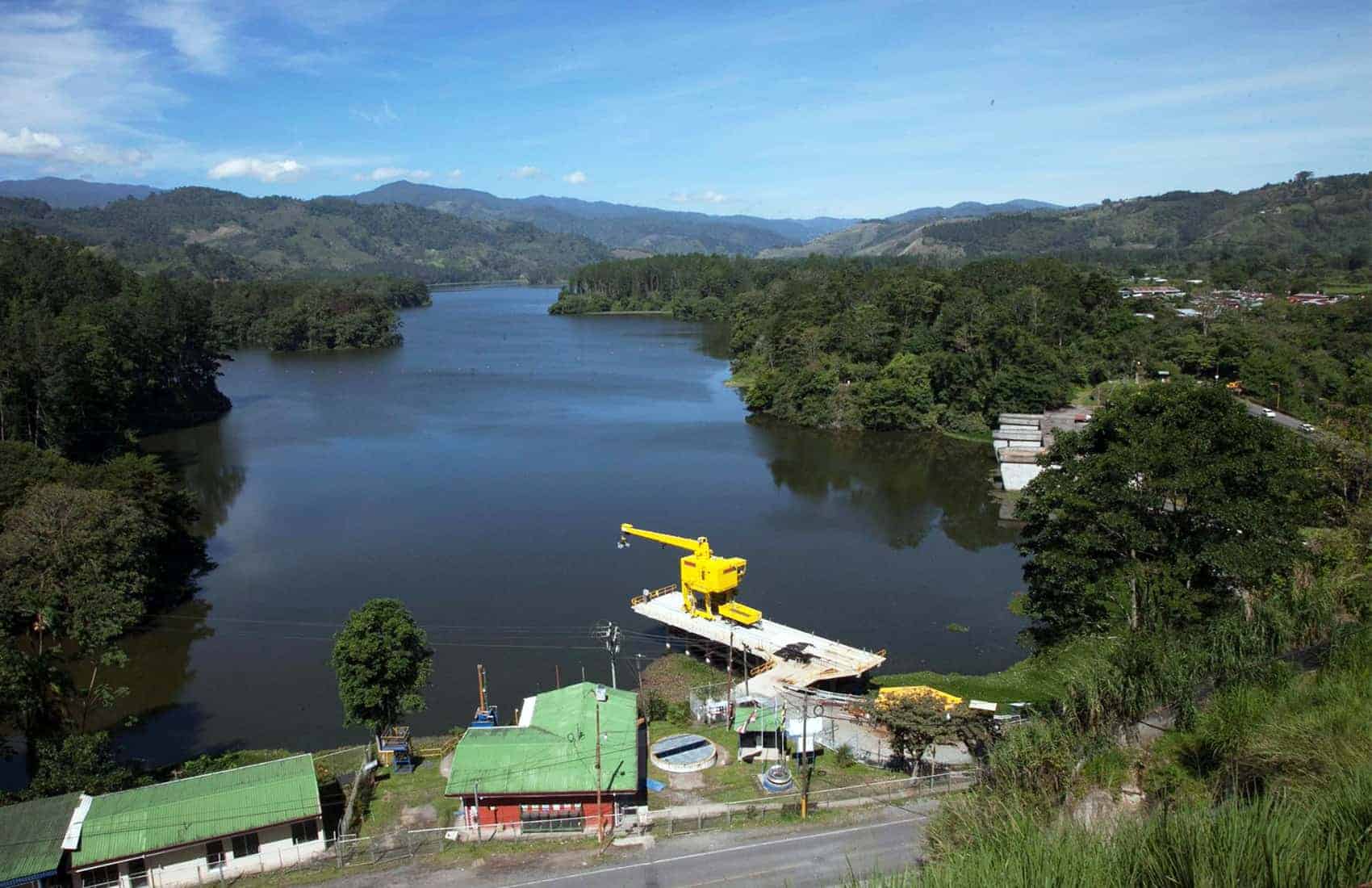
Costa Rica generated 98.6 percent of its electricity from renewable sources in 2025, marking a strong rebound from the previous year’s challenges. The Instituto Costarricense de Electricidad (ICE) Group reported the figures, highlighting the country’s return to high levels of clean energy production after a drought linked to El Niño disrupted operations in 2024.
The electricity came from five main renewables: water, geothermal, wind, biomass, and solar. ICE’s Operation and Control of the Electric System Division compiled the data, with independent verification confirming the accuracy. This performance covered 97.3 percent of the nation’s internal demand with clean sources, allowing exports while keeping domestic supply steady.
Marco Acuña, president of the ICE Group, pointed to the results as proof of the system’s resilience. He noted that effective management of resources helped maintain stable rates for homes and businesses. The 2025 outcome positions Costa Rica as a leader in sustainable generation, even as climate events test infrastructure.
The recovery follows a tough 2024, when El Niño reduced rainfall and strained hydroelectric plants, which form the backbone of the grid. That year saw renewable generation drop to around 86 percent, prompting temporary measures like rationing and increased thermal backup. By 2025, better hydrological conditions and operational adjustments restored the matrix to near its historical averages.
ICE officials explained that strategic use of diverse sources buffered against variability. Hydropower led the mix, supported by geothermal fields in volcanic areas and wind farms in high-elevation zones. Solar and biomass added smaller but growing shares, helping balance the load during dry spells.
Looking ahead, the ICE Group plans to expand capacity. By 2030, new projects will add about 600 megawatts from geothermal, solar, and wind plants. Some will come from ICE developments, others from private generators under regulated contracts. This push aims to meet rising demand as the economy grows and electrification spreads to transport and industry.
The emphasis on renewables aligns with national goals for carbon neutrality. Costa Rica has maintained over 95 percent clean electricity for more than a decade, drawing on its rivers, volcanoes, and consistent winds. The 2025 results show the model works, but experts stress the need for ongoing adaptation to weather shifts.
Consumers benefited from the stability. Rates held firm, avoiding spikes that could hit households or slow business. The system’s design, with state oversight and cooperative elements, ensures broad access—nearly all residents have power. As Costa Rica builds on this milestone, the focus remains on diversifying further. Adding storage like batteries could smooth out intermittency from wind and solar. Meanwhile, regional ties allow energy trades with neighbors, enhancing security.
The 2025 data show a practical path forward. With targeted investments and sound planning, the country sustains its clean energy edge amid global pressures.





