

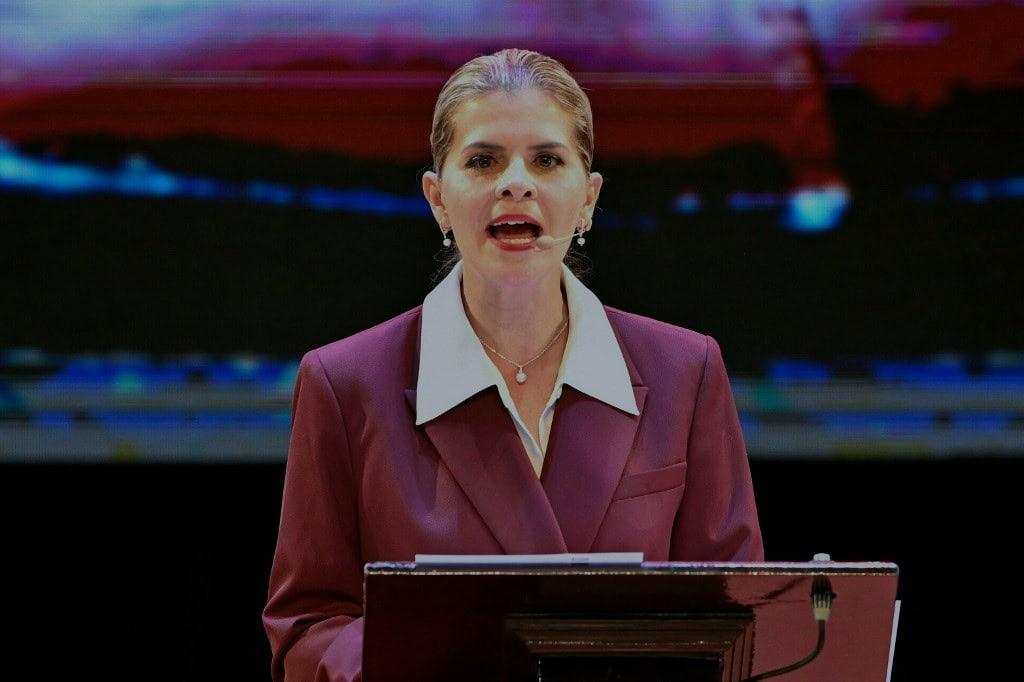
President-elect Laura Fernández has named Marcos Borges as the incoming executive president of the Costa Rican Tourism Institute (ICT), placing him in one of the most important economic posts in the new administration just as the country’s tourism sector enters a new political cycle. The full cabinet was presented Tuesday at the Melico Salazar Theater in San José, with the new government set to take office tomorrow, May 8.
Borges will replace William Rodríguez at the head of the ICT, the public agency responsible for Costa Rica’s tourism promotion, policy direction and oversight of private tourism activity. His appointment gives Fernández a new face at the institution that helps shape how Costa Rica sells itself abroad and how it manages one of the country’s most visible industries.
Borges was general manager of Fernández’s Partido Pueblo Soberano campaign and has worked as a real estate lawyer. His selection puts a political figure close to the incoming administration in charge of an agency tied directly to foreign investment, coastal development, hotel activity, tour operators and international marketing.
During the cabinet presentation, Fernández pointed to several sensitive issues awaiting the new ICT chief, including the maritime-terrestrial zone, coastal development and the need to keep Costa Rica competitive as a tourism destination. She also stressed the importance of Puntarenas and coastal communities, a signal that the new administration may put added attention on beach regions and tourism corridors outside the Central Valley.
The ICT’s legal mandate is broad. Its purpose includes increasing tourism, attracting foreign visitors, promoting Costa Rica abroad, supporting tourism infrastructure and monitoring private tourism services. The institute also has authority related to tourism promotion, visitor protection and activities that help present Costa Rica internationally.
Borges takes over at a moment of mixed signals for the industry. Costa Rica recorded its strongest first quarter for air arrivals in 2026, with 959,738 tourists entering by air between January and March, a 12.9% increase compared with the same period last year. North America remained the country’s largest source market, with 716,341 arrivals by air during the quarter, while Europe also posted growth.
That growth comes after a slower 2025. Tourism leaders warned earlier this year that air arrivals rose only 1% in 2025, below the ICT’s own minimum target of 1.7%. The sector has also faced pressure from the strong colón, higher operating costs and concern over insecurity affecting residents and visitors.
The cabinet announcement also included tourism-adjacent appointments. Martín Vargas Santamaría was named president of Japdeva, the port authority for Costa Rica’s Caribbean region. His appointment matters for tourism because port modernization, Caribbean development and cruise-related infrastructure remain tied to the broader visitor economy, especially in Limón and nearby coastal communities.
For hotels, tour operators, rental agencies and coastal businesses, Borges’ first months at ICT will be watched closely. The agency will face pressure to keep air arrivals growing, support regional tourism development, improve Costa Rica’s competitiveness and respond to complaints that the country has become expensive compared with other Central American destinations.
Fernández’s tourism appointment also fits the larger pattern of her cabinet: continuity with the outgoing Rodrigo Chaves administration, mixed with new figures placed in key agencies. For tourism, the immediate question is how Borges will translate that political backing into policy for an industry that remains one of Costa Rica’s main calling cards abroad and a major source of income for communities across the country.





