

The numbers tell a story that Costa Rica’s tourism industry cannot afford to ignore. In 2019, before the pandemic reshaped global travel, Costa Rica stood as the most visited nation in the Central American region with 3.14 million foreign visitors, while El Salvador ranked second with 1.77 million. That gap, over 1.3 million visitors, looked comfortable at the time.
By 2024, it had effectively vanished. Costa Rica recorded a total of 2.92 million international tourists in 2024, still shy of its pre-pandemic peak, while El Salvador surpassed its projected goal for visitor arrivals, welcoming 3.9 million foreigners a 17% increase compared to 2023 according to WorldData. In five years, the smaller, once-overlooked nation didn’t just close the gap, it leaped ahead.
The pandemic years were brutal for both countries. International tourist arrivals in Costa Rica fell to 1.1 million in 2020, while El Salvador saw tourism revenue collapse by 51% that year. Costa Rica’s visitor numbers recovered to 1.35 million in 2021, then surged by 74.4% in 2022 to reach 2.35 million, and continued climbing to 2.75 million in 2023.
El Salvador’s trajectory was even steeper. The country welcomed 3.9 million tourists in 2024, representing a 229% increase compared to the period between 2013 and 2016, putting it ahead of several traditional regional tourism competitors. That explosive growth is not accidental, it is the product of deliberate policy, dramatic security improvements, and infrastructure investment that Costa Rica has failed to match.
The cost comparison between the two destinations is stark. Costa Rica is currently the most expensive country in Central America for travelers, at an average of $145.75 per person per day. El Salvador, by contrast, is one of the most affordable destinations in the region, where $30–50 per day is more than enough to travel comfortably.
Accommodations, meals, and activities in El Salvador typically cost 30–40% less than equivalent options in Costa Rica, where mid-range hotels average $100–150 per night and popular tours run $50–100 per person. Airfare to El Salvador is often cheaper than to nearby destinations, with round-trip flights from the United States ranging from $200 to $400, whereas flights to Cancun start around $300 and spike higher around peak travel periods.
Both countries offer a similar baseline menu of natural adventure: Pacific beaches, active volcanoes, coffee plantation tours, hiking, wildlife watching, and a warm tropical climate. Surfers, in particular, have both options well served. El Salvador’s Surf City initiative, anchored at Punta Roca, has turned the country into a fixture on the World Surf League Championship Tour since 2021, while Costa Rica’s Tamarindo and Jacó have long attracted wave riders. The differences emerge in what each country does best beyond the basics.
Costa Rica’s brand rests on protecting 25.5% of its land, achieving 57.1% forest cover, generating 98.6% of electricity from renewable sources, and housing 6.5% of global biodiversity on just 0.03% of the planet’s surface making it unrivalled for serious ecotourism, birding, and wildlife experiences.
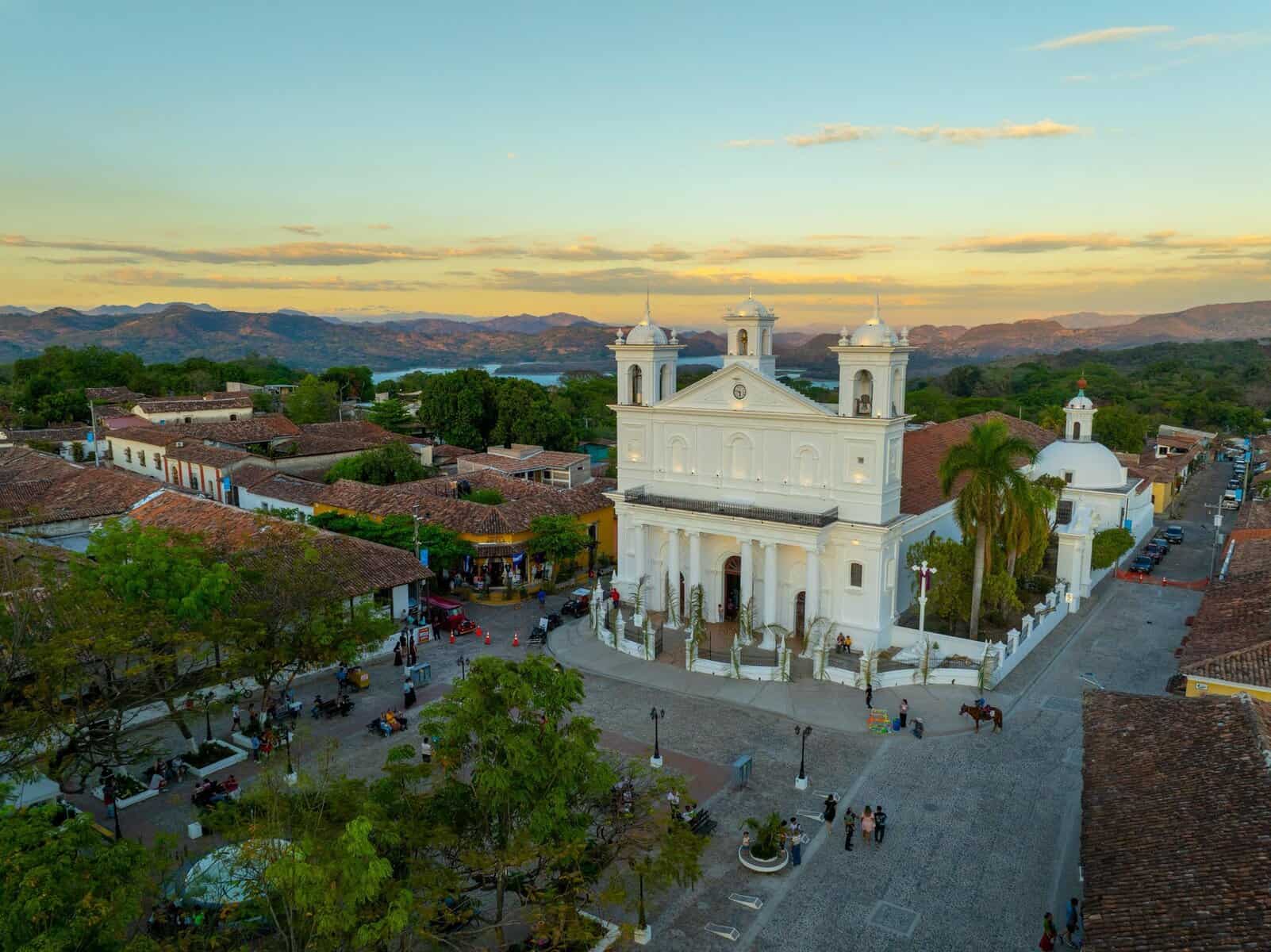
El Salvador counters with something different: UNESCO archaeological sites like Joya de Cerén, the Mayan Pompeii, colonial towns, black sand beaches with fewer crowds, and the novelty of being the world’s first country to adopt Bitcoin as legal tender, drawing a tech-forward, curious class of traveler.
The real threat to Costa Rica, however, is not El Salvador’s beaches or volcanoes. It is Costa Rica’s own economic mismanagement. Since mid-2022, when the dollar reached ₡692, the dollar has lost nearly about 33% in value against the colon, hitting ₡463 by April 2026 — a dramatic reduction in the purchasing power of visiting tourists.
A surf lesson that cost $36 in 2022 now costs $50. The vast majority of businesses in the tourism sector reported lower earnings due to currency pressures, and data shows a 2.1% drop in air arrivals between January and August 2025 compared to the previous year.
The Costa Rican Tourism Institute reported a 10% decline in U.S. visitors in 2024, with 1.4 million arrivals compared to 1.56 million in 2023. The colón’s strength, driven by high central bank interest rates aimed at controlling inflation, which has been in negative territory for the past 11 months, is being allowed to hollow out the very industry that employs over 200,000 Costa Ricans directly.
The government has remained largely on the sidelines, stating that the Central Bank does not have major influence, while economists warn that returning to equilibrium around ₡620 is urgent to avoid losing jobs in tourism, exports, and free trade zones.
Safety is the other variable shifting in El Salvador’s favor. In 2015, El Salvador recorded 6,656 homicides, a figure that dropped to just 114 in 2024, an unprecedented reduction that has reshaped the country’s global image.
Meanwhile, Costa Rica’s Judicial Investigation Agency recorded 907 homicides in 2023, 880 in 2024, and 873 in 2025, stubbornly high numbers with 2026 looking to keep pace. Add over 6,300 tourists facing crimes like theft and assault between 2020 and 2024 alone and the perception gap, once running heavily in Costa Rica’s favor, is narrowing fast.
What must Costa Rica do now? The answer is not complicated, but it requires political will. The Central Bank needs to intervene more decisively to stabilize the colón at a rate that keeps the tourism and export sectors competitive, rather than hiding behind inflation targets that have already been met. Hotel owners in Guanacaste have already been forced to raise prices by as much as 15% to offset the currency gap, and businesses have paused expansion plans and hiring due to the rate’s 33% decline since 2022.
The government must also directly address rising crime, which is beginning to rival the safety concerns that once plagued El Salvador. Infrastructure investment long delayed in rural and coastal tourism corridors cannot wait another budget cycle. And Costa Rica must resist the temptation to let its extraordinary ecological brand coast on legacy alone.
Tourism’s contribution to El Salvador’s GDP rose from 6.4% in 2019 to about 14% in 2024, more than double Costa Rica’s equivalent figure. That is not a statistic to be dismissed but a warning sign carved in the shape of a rival’s ambition.





