

Costa Rica’s cost of living is climbing again. Consumer prices rose 0.39% in October, and the year-on-year rate reached 0.55%, the second straight month above zero after 16 months of annual declines, according to figures from the National Institute of Statistics and Census (INEC).
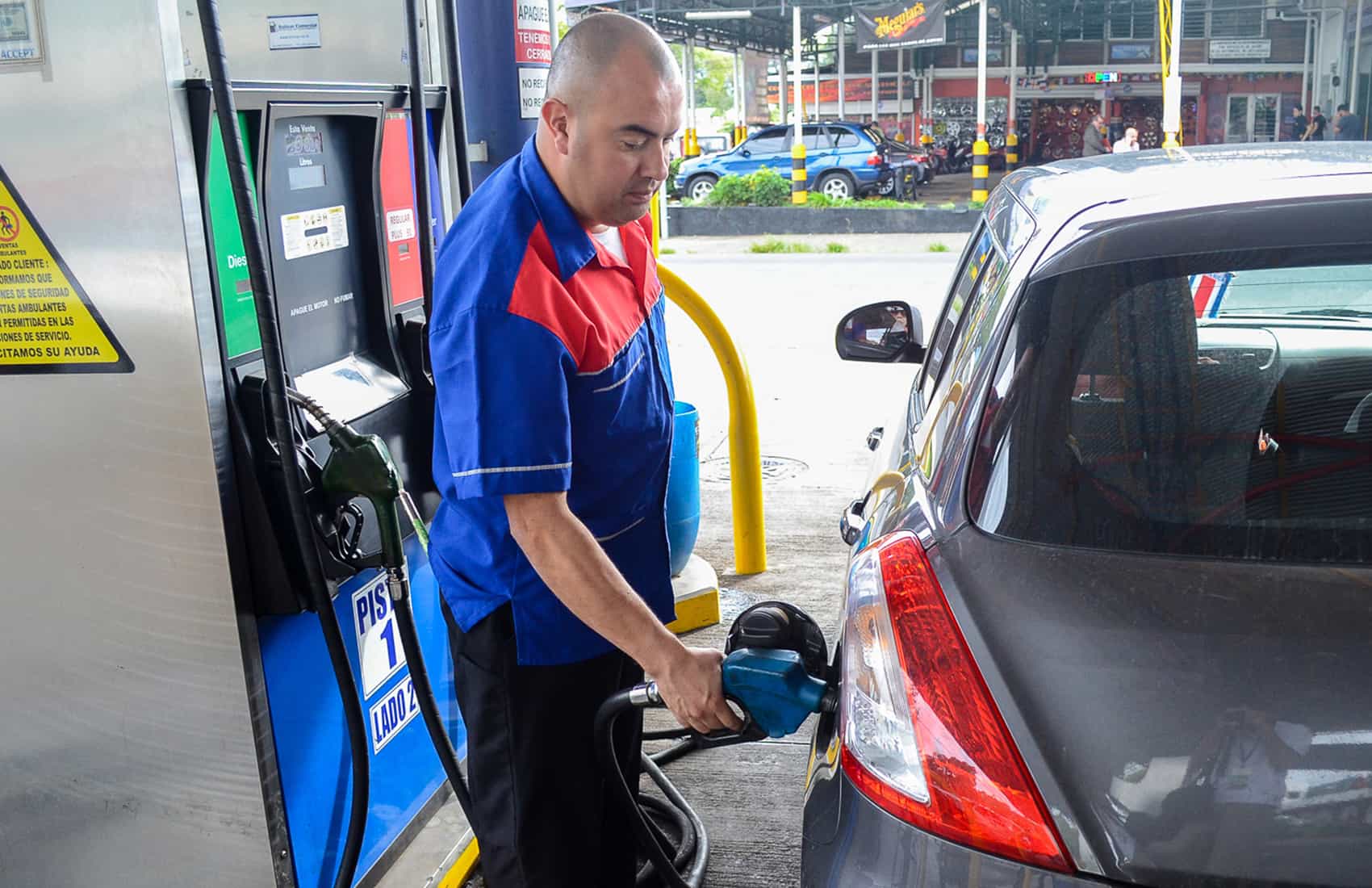
That October jump compares with 0.11% in September and 0.19% in October 2025. The interannual rate also climbed from 0.34% a month earlier. Transport drove most of the increase. INEC reported that the transport division rose 1.71% in a single month and accounted for 0.30 percentage points of the overall index, with diesel up 17.39%, gasoline up 3.10%, taxi fares up 5.73% and bus fares up 2.02%.
Nelson Castillo Mendoza, coordinator of the INEC price index unit, said the main upward pressure came from fuel and public transport fares. He noted that those prices are set by the Public Services Regulatory Authority (Aresep) and moved in line with international fuel prices during the month.
The rise follows September’s warnings of higher fuel prices as oil climbed back above $100 a barrel. Regulated goods and services rose 1.99% in October, according to INEC data, while unregulated items rose just 0.16%. Energy prices as a group rose 2.75%. Entertainment also cost more. The recreation, sport and culture division rose 0.96%, which INEC attributed mainly to higher ticket prices for events. Eggs rose 4.09%.
Some grocery staples moved the other way. Onions fell 10.73%, potatoes 3.50%, ground beef 2.44% and chicken breast 1.73%, and food and non-alcoholic beverages as a whole rose only 0.09%. Of the 293 goods and services in the basket, 45% rose, 33% fell and 22% were unchanged, with 10 of 13 spending divisions moving higher.
The longer view still shows Costa Rica with unusually low inflation. Cumulative inflation from January through October was -0.01%, essentially flat, compared with a 1.77% decline over the same period of 2025. Full-year 2025 inflation was -1.23%.
That keeps Costa Rica well below the Central Bank of Costa Rica (BCCR) target of 3%, with a tolerance band of one percentage point in either direction. The October reading sits 1.45 points below the bottom of that range, and inflation has now been below target for 42 consecutive months. The last time it was inside the band was April 2023.
The BCCR expects that gap to close. In its October Monetary Policy Report, the bank projected headline inflation near 2.7% in the second half of 2027, higher than its July forecast, and tied the revision to expected higher hydrocarbon prices. It kept its monetary policy rate at 3% and said it would adjust its stance if conditions or risks change.
The central bank listed extreme weather, including El Niño, geopolitical conflict and higher oil and grain prices among the risks that could push inflation up faster. A stronger colón and weaker global growth were among the factors that could hold it down. For households, the October figures arrive alongside other pressures. Earlier this month, INEC data showed unemployment climbing to 6.5%, while the exchange rate has left dollar earners with fewer colones than in January.
Rents have also been outpacing general inflation for months. The return of rising prices ends a long stretch of falling prices in Costa Rica. Whether the shift becomes a steady climb back toward target or a short fuel-driven spike will depend largely on oil markets and on the next round of regulated price adjustments, which anyone who fills a tank, rides a bus or takes a taxi in Costa Rica will feel first.





