
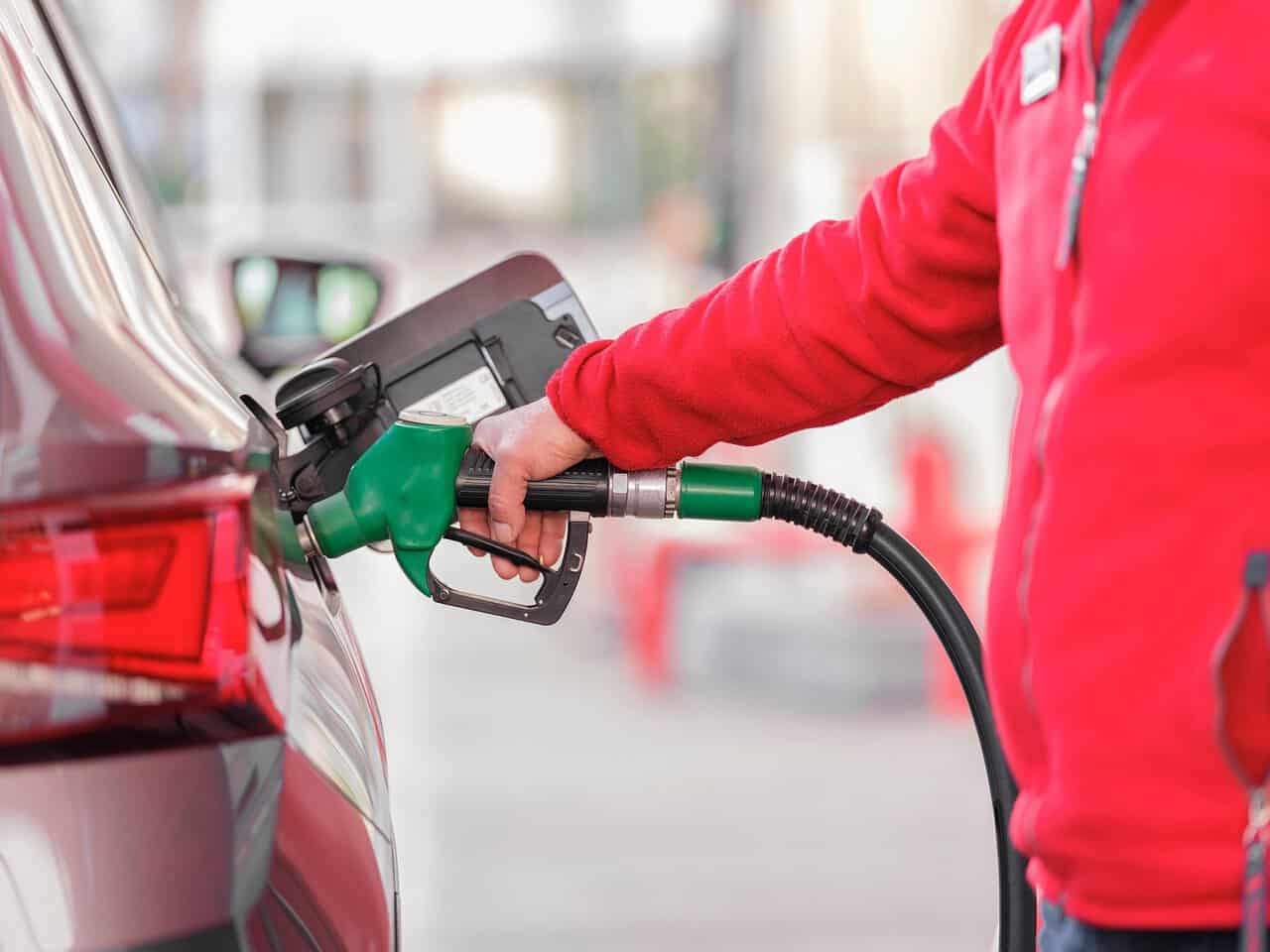
Global oil prices climbed back above $100 a barrel this week, and the increase is on course to reach Costa Rica’s gas stations within weeks. Brent crude, the international benchmark, settled at $101.21 yesterday after a 3.4 percent single-session gain. West Texas Intermediate settled at $96.05.
The trigger was a fresh escalation in the US-Iran conflict, now in its seventh month. US Central Command said American forces destroyed five Iranian crude tankers on Tuesday after attempted attacks on a US warship. A senior Iranian official, speaking to Bloomberg on condition of anonymity, said Tehran was ready for a more intense war rather than back down in the face of the US naval blockade.
The rally is not new territory for this conflict as Brent traded around $72 a barrel on February 27, the day before the war began, and peaked above $126 at the end of April. By early July it had slid back to pre-war levels, and this week’s climb leaves it roughly 40 percent above where it started.
It also runs ahead of official projections. In its outlook released yesterday, the US Energy Information Administration forecast that Brent would average around $90 a barrel in the second half of 2026, already $8 higher than a month earlier. The agency noted that attacks on Saudi shipments through the Bab el-Mandeb strait had cut exports from the Red Sea port of Yanbu by about half in August.
Costa Rica imports all of its fuel through the state refiner Recope, leaving it directly exposed. The Regulatory Authority for Public Services (Aresep) sets pump prices monthly from Recope’s actual purchase invoices. International swings therefore reach consumers roughly one to two months later.
That lag explains why the adjustment Aresep approved on Tuesday moved in two directions. Regular gasoline falls ₡51 to ₡707 per liter (about $5.95 a gallon), while super rises ₡22 to ₡726 (about $6.11 a gallon). Diesel jumps ₡82 to ₡688 (about $5.79 a gallon), and the new prices take effect once published in the official gazette La Gaceta.
None of that reflects this week’s spike. Aresep’s monthly review opens on the second Friday of each month, which puts the next one on Friday, September 11, with new prices expected in early October. Based on the timing of previous reviews, it would capture fuel bought as prices rose through August, when Brent averaged $91 according to the EIA.
If crude holds near current levels, the following adjustment, due at the pump in November, would carry a full month of triple-digit oil. That would affect gasoline, diesel and liquefied petroleum gas alike.
The last spike shows how sharp the pass-through can be. The adjustment approved at the end of April, based on shipments from March 13 to April 9, raised diesel from ₡564 to ₡716 per liter and regular gasoline from ₡625 to ₡748. Energy Intendant Mario Mora attributed that increase directly to the Middle East conflict.
A stronger colón offers limited protection this time. The currency has gained about 6 percent against the dollar since early March, a fraction of the rise in crude over the same period. Its larger appreciation since 2022 cushioned gradual fuel increases but cannot absorb a shock of this size.
The stakes extend beyond the pump as the National Institute of Statistics and Census (INEC) reported year-on-year deflation of 0.17 percent in August, the 16th consecutive negative reading. Consumer prices have now run below the Central Bank’s 2 to 4 percent target range for 40 straight months.
Fuel has been central to that trend since INEC listed gasoline and diesel among the items that pulled prices down most in August. A sustained oil shock would turn fuel from a drag on prices into a source of upward pressure.
Transport costs are already moving in some categories. International airfares were among the things whose prices rose most in August, according to INEC, and airlines typically pass jet fuel costs through to fares. Higher diesel prices also raise costs for freight, public buses and tourism transport.
How long prices stay elevated depends on events in the Middle East. US President Donald Trump said this week the conflict would not end before the November midterm elections and that significant relief at the gas pump was unlikely before then. Goldman Sachs has warned Brent could exceed $120 a barrel if Gulf output stays well below pre-war levels, though that is not its base case. A de-escalation could pull prices down as quickly as they fell after the April peak.