

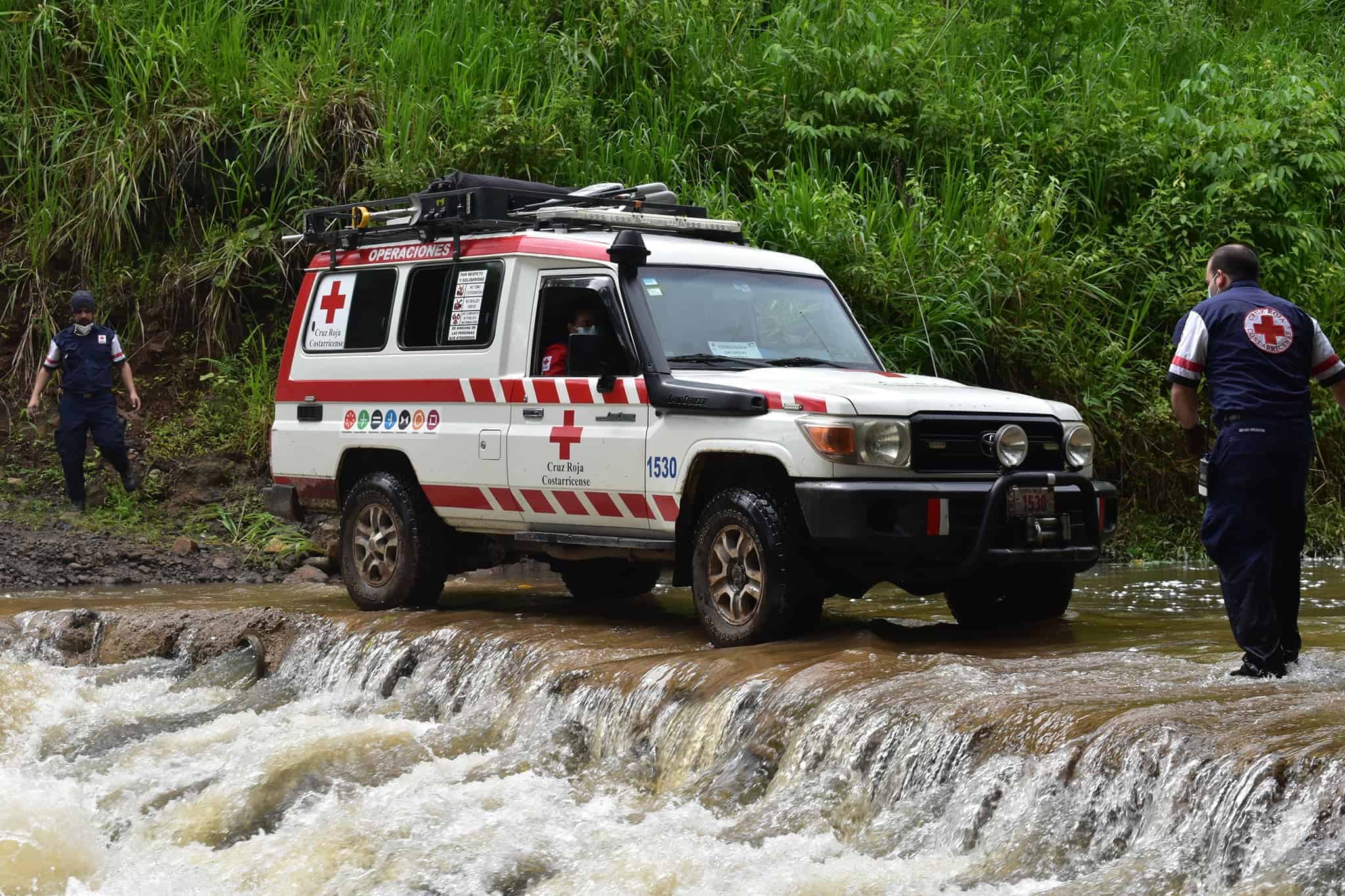
Costa Rica has ordered a ₡1.5 billion transfer to the Red Cross to help keep its emergency network running. President Laura Fernández instructed the Finance Ministry to move the money through a budget adjustment. Finance Minister Rodrigo Chaves confirmed the decision this week.
The funds were already set aside in the 2026 national budget. They are meant to ease the immediate cash crunch that has put dozens of local branches at risk. Red Cross leaders have warned that as many as 66 of the organization’s roughly 134 branches are under financial pressure. In September the group closed branches in San Rafael and San Pablo de Heredia and shifted coverage to nearby committees.
Red Cross General Manager Walter Fallas has said the organization hopes the money arrives in the coming days so it can cover remaining operating costs for the rest of the year. The Red Cross publicly thanked the government, noting that the transfer comes at a critical moment and will help keep humanitarian services going. The group handles hundreds of thousands of emergency calls a year and says it responds to roughly one emergency every minute.
The ₡1.5 billion is only part of what the Red Cross and some lawmakers say is owed. About ₡1.8 billion more remains pending under specific laws: roughly ₡1.031 billion from the fuel tax, ₡616 million from the tax on alcoholic beverages, and ₡150 million from traffic fines. Combined with the amount now being released, that brings the total under discussion to around ₡3.3 billion. Fallas has pointed out that even this larger sum will not fully close the longer-term gap. The organization has reported a deficit of about ₡943 million as of July and has projected a much larger shortfall for 2027.
The transfer does not change the operational questions the Red Cross is still reviewing. Officials have said they are looking at ending overnight shifts at 20 branches that see relatively few nighttime calls. Those plans have not been finalized, and the organization has not named which locations would be affected. If the cuts move forward, overnight emergencies in those communities would be covered by crews from neighboring branches. Nighttime service remains in place for now.
The Red Cross is our main first-response organization for ambulances, traffic accidents, medical emergencies, rescues, and disasters. About 60 percent of its budget comes from its own activities and donations; the rest comes from public sources. Leaders have repeatedly said the current mix is not enough to sustain the nationwide network at current demand levels.
The money ordered by the president provides short-term relief and should help prevent further immediate closures. Whether it is enough to avoid broader service reductions, including the possible overnight shift changes at 20 branches, will depend on how quickly the funds arrive and what additional support the organization receives in the months ahead.





