

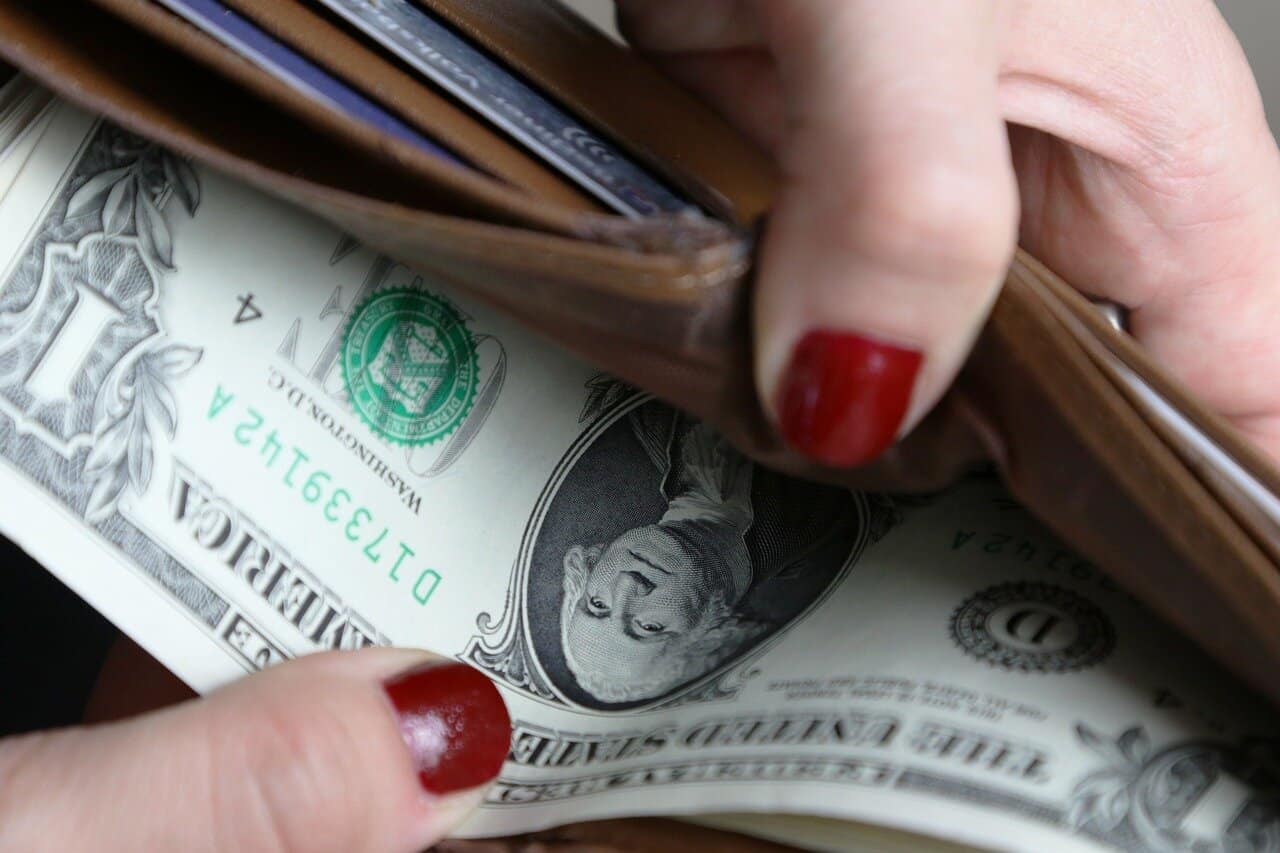
Costa Rica is marking 20 years since it abandoned the system of controlled devaluations that let the Central Bank weaken the colón against the U.S. dollar in small, predictable steps. The anniversary arrives as the foreign exchange market posts record dollar supply, keeping the exchange rate near its lowest level in two decades.
Central Bank of Costa Rica (BCCR) President Róger Madrigal revisited the 2006 reform on Friday, Oct. 30, during the presentation of the institution’s October Monetary Policy Report. The weighted average exchange rate in the Foreign Currency Market (Monex) closed that day at ₡452.08 per dollar, about 35% below the record ₡696.76 set on June 21, 2022.
The BCCR board approved the change on Oct. 13, 2006, and it took effect four days later, ending the crawling peg the country had used since 1984. Under that system, the bank adjusted the rate in small daily increments, so the colón lost value against the dollar at a steady, predictable pace.
The 2006 reform replaced the peg with an exchange rate band. The dollar could move between a ceiling and a floor, and the Central Bank intervened when the rate reached either limit.
Costa Rica moved to the current managed float in February 2015. The rate is now set mainly by supply and demand, although the Central Bank can step in to prevent sharp swings. The shift also cleared the way for the inflation-targeting framework the bank formally adopted in 2018.
According to the October report, average daily dollar supply in the exchange market so far this year reached about $152.9 million, up from $134.9 million in the same period of 2025. Average daily demand rose from $108.1 million to $122.3 million, leaving a daily surplus of about $30.6 million.
Data presented Friday put the cumulative net result of the private exchange market at $6.41 billion over the first 209 business days of the year, compared with $5.53 billion in the same stretch of 2025. The BCCR attributed about 94.5% of the net surplus to companies operating under special trade regimes, chiefly free trade zones. Between January and August, those companies sold about $5.2 billion in foreign currency and bought $471 million, for net sales of $4.73 billion.
Free trade zone companies earn dollars by exporting medical devices, electronics and business services to international clients. They sell part of those dollars to pay salaries, suppliers and taxes in colones, and as more dollars reach the market, the exchange rate is pushed lower.
Foreign direct investment is another major source. It reached about $2.74 billion in the first half of 2026, 23.4% more than in the same period of 2025, according to an analysis by the Foreign Trade Promoter (Procomer) based on preliminary BCCR data. That figure excludes Heineken’s acquisition of FIFCO’s beverage, food and retail businesses, an extraordinary transaction that dominated first-quarter flows. The United States accounted for roughly 69% of the investment.
Tourism spending, remittances and income from services that Costa Rican companies sell abroad also add to the supply of foreign currency. A study published July 8, 2026, by ULACIT economist Stefan Krause Montalbert, which analyzed Monex data from 2015 to 2023, identified free trade zone activity, interest rate differentials and an improved perception of Costa Rica’s sovereign risk as drivers of dollar supply.
The surplus has also raised questions about whether illicit money is contributing. A national money laundering risk assessment commissioned by the General Superintendency of Financial Institutions (Sugef), dated November 2024 and published in April 2026, identified Costa Rica’s location along international drug trafficking routes as the country’s main threat.
The same assessment flagged the heavy movement and use of foreign currency in cash as a risk. Seizures have also climbed, with the Costa Rican Drug Institute (ICD) reporting ₡58.3 billion in colón-denominated seizures in 2024, compared with ₡1.76 billion in 2023. The impact on the exchange rate remains uncertain.
Economists have said there is not enough evidence to determine how much illicit money enters the foreign exchange market or whether the amounts are large enough to move the rate. The Central Bank has maintained that available information does not establish drug trafficking as the cause of the surplus. Its own figures identify special-regime companies as the dominant source of net dollar sales.
A stronger colón has uneven effects depending on whether people and businesses earn, save or spend in dollars. A lower exchange rate makes imported vehicles, electronics, machinery, raw materials and imported fuel cheaper in colón terms, although retail prices also depend on taxes, shipping costs and commercial pricing decisions.
Those effects help contain inflation by limiting price increases on imported goods. Costa Ricans who travel abroad or pay for services in dollars need fewer colones to do so, and borrowers who earn in colones but owe in dollars see their payments shrink in local currency terms. The pressure falls on those who earn in dollars and spend in colones. Hotels, tour operators, exporters and agricultural producers receive fewer colones for every dollar earned, even when sales hold steady, and exporters lose price competitiveness against rivals in other countries.
Households that receive salaries, pensions or remittances in dollars also see their purchasing power decline when they convert those earnings into colones. The surplus has kept the Central Bank active in the market. According to the October report, the BCCR bought about $5.21 billion in Monex during the period covered, or 63.4% of the amount traded, through stabilization operations, reserve accumulation and purchases to meet the foreign currency needs of the nonbank public sector.
Net international reserves reached about $20.22 billion as of Oct. 28, according to data presented Friday. Monex also set a record on Tuesday, Oct. 27, when trading reached $153.4 million, the largest single-day volume in the BCCR’s records. The Central Bank bought $52 million that day through stabilization operations and another $62.7 million to cover public-sector requirements.
Two decades after Costa Rica stopped devaluing the colón by design, its exchange rate is shaped increasingly by investment, exports and foreign currency flows. The stronger colón eases import costs and inflation but squeezes anyone whose income arrives in dollars, while questions about illicit funds keep financial oversight in focus.





