

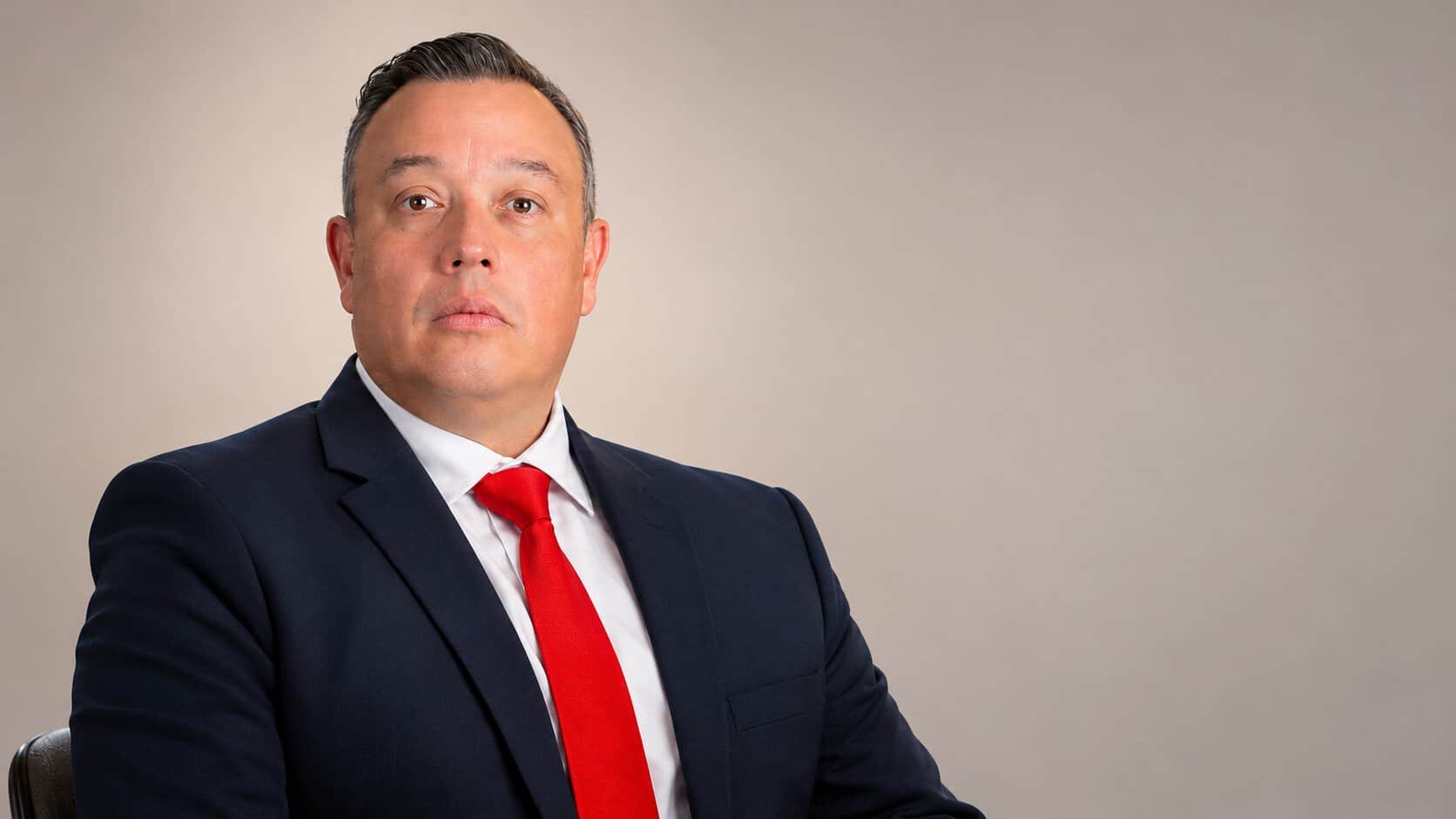
Costa Rica’s first vice president, Francisco Gamboa Soto, takes charge of the Ministry of Foreign Trade (Comex) today, while keeping his post as vice president. The ministry has been without a permanent head for more than three weeks, since President Laura Fernández dismissed Indiana Trejos on Oct. 28 and ended Costa Rica’s bid to join a major Pacific trade pact.
Casa Presidencial announced the appointment on Thursday evening, Nov. 19. According to the presidency, Gamboa will run the ministry as an additional charge on top of the vice presidency, and the choice reflects his experience in public management and economic policy. The government did not announce any change in trade policy alongside the appointment.
The move puts a senior member of the government in charge of the ministry responsible for trade agreements and foreign investment at a delicate moment. Costa Rican exporters still face a 12.5% duty on most goods sold to the United States, and growth in the free zones that host most multinational employers has nearly stalled.
Gamboa, an economist, has spent most of his career in trade and industry. He directed business intelligence at the export promotion agency PROCOMER from 2006 to 2014, served as executive director of the Chamber of Industries from 2015 to 2019 and later headed institutional relations at Banco Nacional. He was minister of Economy, Industry and Commerce under former president Rodrigo Chaves before becoming first vice president in May 2026.
He was also the official who signed Trejos’ removal. With Fernández traveling in Europe, Gamboa signed Agreement No. 110-P dismissing Trejos effective at noon on Oct. 28, and Agreement No. 111-P naming Arianna Arce Camacho as interim minister, according to decrees published Nov. 3 in the official gazette La Gaceta.
Fernández announced the dismissal in a video released Oct. 28, in which she also said Costa Rica would not sign its accession to the Comprehensive and Progressive Agreement for Trans-Pacific Partnership (CPTPP). The bloc’s 12 members include Japan, Canada, Mexico, Chile, Peru, Australia and the United Kingdom. The president questioned the transparency of the negotiations and said productive sectors had not received the full text of the treaty despite her instructions.
Trejos had defended the process before lawmakers, arguing that the terms concluded in May could not be renegotiated. Chaves had announced the close of substantive negotiations on May 6, 2026, two days before leaving office, and the signing had been scheduled for Nov. 23.
Instead, Fernández confirmed on Nov. 11 that the government would not resume the accession process, and Arce sent a letter on Nov. 13 informing member countries that Costa Rica would not sign. Agricultural groups had raised concerns about foreign competition and the effects on domestic production, though people linked to the process have also pointed to political calculations ahead of the 2028 municipal elections.
Former foreign trade minister Manuel Tovar has described the CPTPP as the most important of all international trade agreements, while the government has not said who is accountable for the public money spent on the talks.
Gamboa now inherits a ministry whose direction remains unclear. How he handles the fallout with the CPTPP members and the trade relationship with the United States, Costa Rica’s largest export market, will shape conditions for the companies, farmers and workers who depend on the country’s exports.





