

Costa Rica is famous for its biodiversity, but at the main international airport in San Jose, sharing space with wildlife creates an unusual challenge: keeping aircraft safe while protecting the animals that wander onto airport grounds. Between January and October 2026, Juan Santamaría International Airport monitored 22,014 animals on its grounds, according to airport operator Aeris. Of those, 19,001 were driven off through preventive wildlife management measures, about 86% of all animals recorded.
The most frequent visitors by far were great-tailed grackles, known locally here as zanates, with 14,568 birds chased off during the ten-month period. These familiar black birds, common across Costa Rica’s towns and cities, made up more than three-quarters of all the animals driven away from the airport.
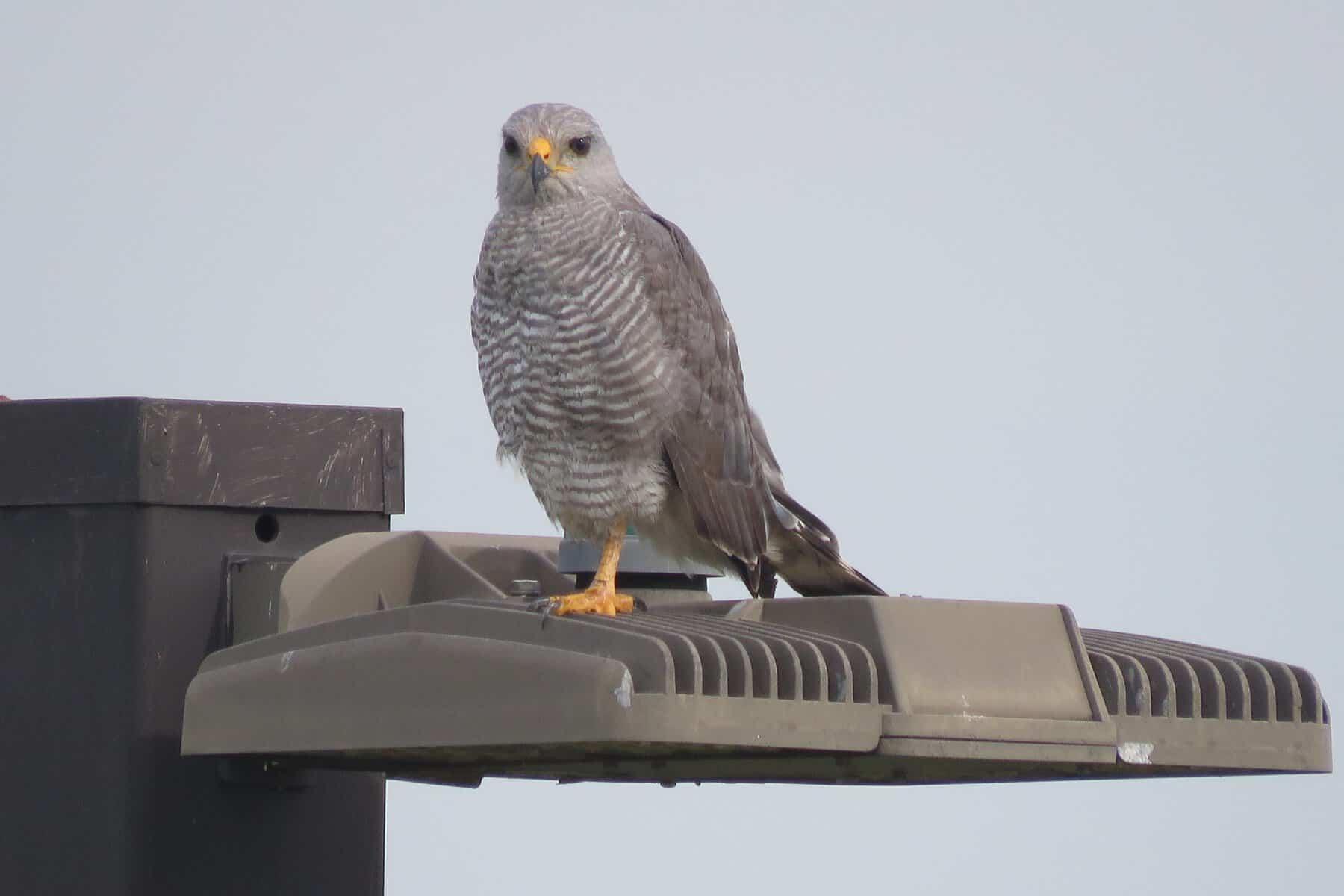
Other species frequently moved along included swallows, with 2,234 dispersals, followed by vultures with 988, crested caracaras with 287, and parakeets with 252. While birds are an everyday sight across Costa Rica, their presence near runways and aircraft movement areas creates real safety concerns. Bird strikes, which occur when birds collide with aircraft, are a recognized aviation hazard, so airports run wildlife management programs to reduce the chance of encounters during takeoff, landing, and other operations.
At Juan Santamaría, the approach involves more than simply chasing birds away. Aeris runs a continuous wildlife monitoring program to identify which species frequent the airport, where they gather, and what conditions may be drawing them in. Arturo Zamora, Aeris’ operations and safety manager, said understanding wildlife behavior is essential for pinpointing higher-risk areas and putting preventive measures in place.
To keep animals away from sensitive areas, the airport uses controlled pyrotechnics, laser lights, sound-producing equipment, and camera traps. According to Aeris, the program follows standards set by the International Civil Aviation Organization (ICAO) and Costa Rica’s RAC 139 aviation regulations.
Teams also carry out regular inspections to find and remove anything that might attract wildlife, such as standing water, nesting spots, shelters, and perches. When scaring animals away doesn’t work, they may need to be captured. Between January and October, Aeris carried out 107 captures, 89 using cage traps and 18 by hand. Depending on the case, the airport coordinates with wildlife rescue centers and specialized organizations.
The program’s work also reaches beyond animals that could interfere with flights. As part of its Friends of the Bees certification, Aeris has responded to 14 bee swarms so far this year, working with Costa Rica’s Fire Department to rescue and relocate the insects and protect these important pollinators.
Outside the airport perimeter, the operator has also backed community animal welfare efforts, including a sterilization campaign for 24 dogs and cats, and organized lessons on responsible pet ownership with students from León Cortés School in the nearby community of El Coco.





