

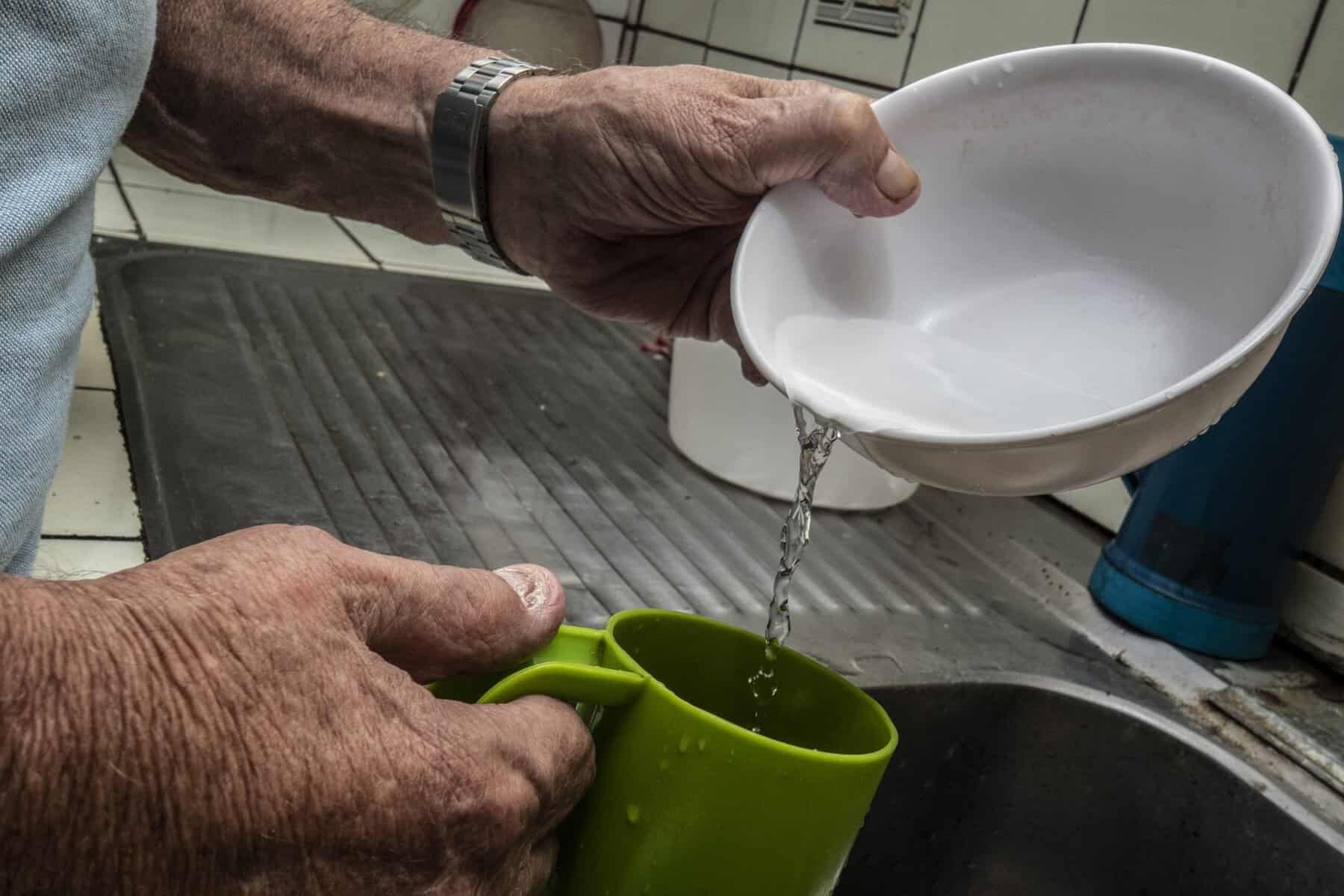
More than 306,000 people in Costa Rica could face problems getting drinking water as the strongest El Niño on record dries us out, according to estimates from the AyA. Nearly half of them, 48%, live in the Chorotega region, which covers Guanacaste, so if you live in that area, this matters now.
As we all know, the dry season is setting in across Guanacaste and the Central Valley, and the rains that refill wells and springs will not be back for months. AyA has tripled its fleet of water tanker trucks, from 21 to 64, to deliver water where local systems run short. It has also drawn up 149 water security plans for the community-run water associations known as ASADAS and handed out 25 storage tanks to 14 of them.
The utility says it is also bringing new wells online, adding storage, repairing leaks and arranging supply for schools and shelters. The figures were presented Wednesday at the government’s weekly press conference, where Alejandro Picado, president of the National Emergency Commission (CNE), outlined the response.
The National Meteorological Institute (IMN) has classified this El Niño as the most intense since the institute was founded in 1888. The CNE has declared four alerts since May and raised Costa Rica to a red alert on Oct. 22 and the government says more than 20 institutions are coordinating the response.
Every liter you save at home stretches what is left in the system. AyA has already asked households to cut back on water use as the dry season begins. Fire is the other risk and the fire department (Bomberos), bought five tanker trucks that hold about 34,000 liters (9,000 gallons) each and stationed them in Puntarenas and Guanacaste, after what the government describes as a historic rise in forest fires this year.
Farmers, ranchers and fishing families are already feeling the drought. The CNE and the fishing institute Incopesca have delivered food to more than 2,500 fishing families in 43 communities across 11 areas and Incopesca extended the fishing range for 40 boats to 12 nautical miles (22 kilometers, or about 14 miles).
The rural development institute Inder has put more than 645 million colones (about $1.4 million) into livestock feed, equipment, and water and pasture studies in Guanacaste, which it says benefit more than 6,000 families. The irrigation agency Senara says the reservoir serving the Arenal-Tempisque irrigation district can supply its farmers through the end of 2027.
Small businesses and community water systems can also get help. The Development Banking System will offer 5,000 million colones (about $11.2 million) in low-cost financing, with 4,000 million colones for small businesses and producers and 1,000 million colones for ASADAS, the first time those associations can borrow from the system.
With the dry season only beginning here, how far the water stretches will depend on how soon the rains return and how much households, farms and businesses conserve until then.





