

British travel magazine Wanderlust placed El Salvador on its Green Travel List for the first time in the 2026 edition. The publication singled out Parque Nacional El Imposible for its conservation work and community-led eco-tourism projects.
The list recognizes 101 destinations, initiatives and places to stay that demonstrate travel can support ecosystems and local communities. Wanderlust described El Imposible as a forest home to endangered species including black-crested eagles, wild boar and puma. The park has faced decades of pressure from deforestation, illegal hunting and rural development. Eco-tourism now provides jobs for local guides who lead hiking, birdwatching and photography tours while steering people away from logging and hunting.
Officials noted the coordinated work of the ministries of environment, tourism and foreign affairs together with local communities to protect natural heritage. The ministry called the park a vital habitat and pointed to visitor numbers that reached about 25,000 in the past five years, according to environment ministry data.
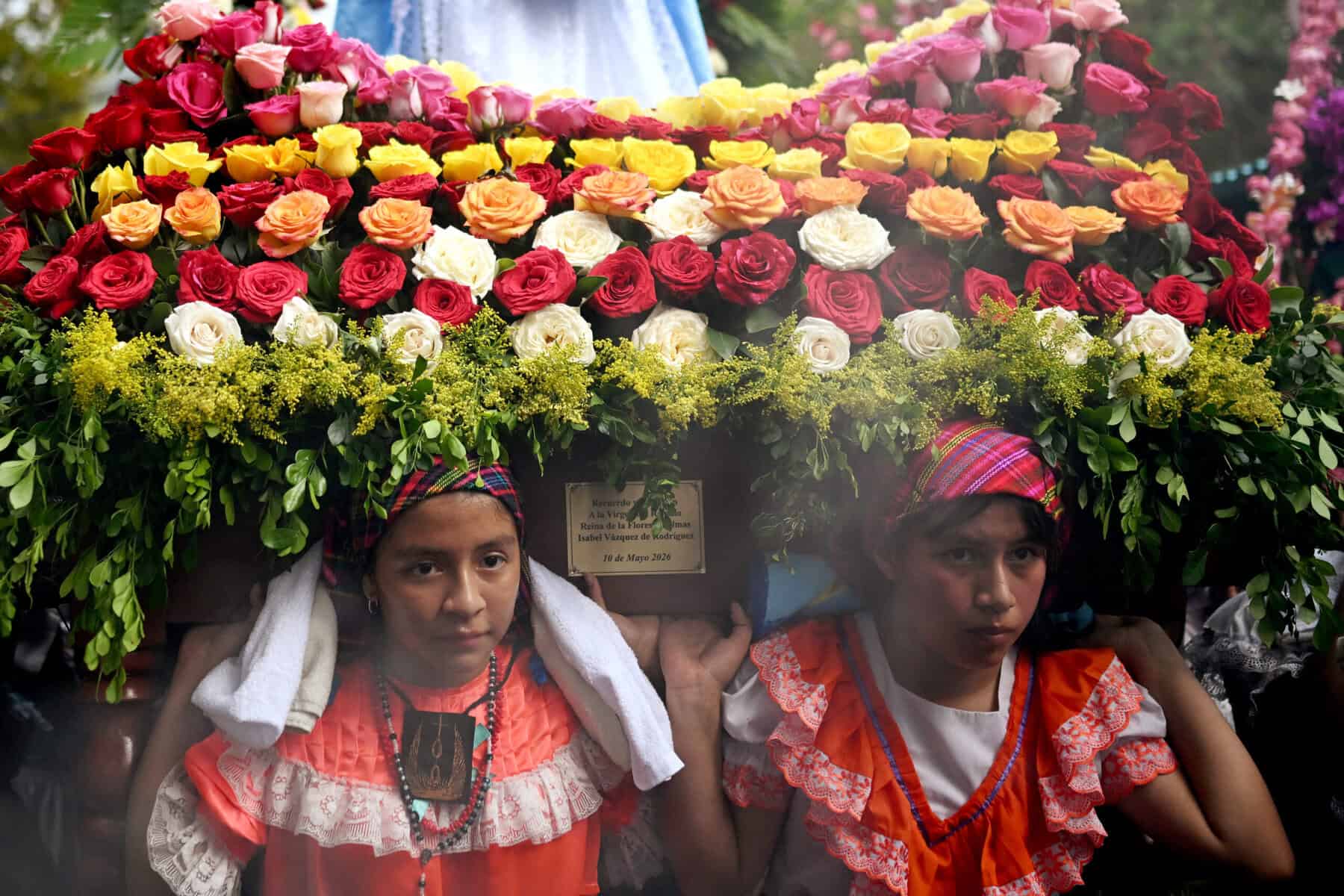
The magazine also referenced other Salvadoran sites in its coverage of the country’s growing appeal. These include the colonial town of Suchitoto on the shores of Lake Suchitlán, the scenic Ruta de las Flores route with its coffee plantations and hillside towns such as Ataco, and Pacific beaches such as El Tunco. Wanderlust highlighted El Salvador’s mix of volcanoes, forests, artisan traditions and expanding hospitality options.
This marks the latest step in El Salvador’s push to develop sustainable tourism. The country already received a “Good to Go 2025” recommendation from the same magazine. Government efforts have focused on protected areas, community involvement and infrastructure that supports nature-based travel without harming the environment.
Parque Nacional El Imposible sits in the Apaneca-Ilamatepec mountain range in Ahuachapán department in western El Salvador. It covers cloud forest, waterfalls and trails that attract both domestic and international visitors. Local guides trained through conservation programs now earn income from tourism rather than extractive activities.
The private tourism sector welcomed the news as proof that years of investment in conservation are paying off. Hotel operators and tour companies in the western highlands and along the Ruta de las Flores reported increased inquiries from European travelers interested in responsible travel options.
Wanderlust’s Americas section also recognized Costa Rica for its biodiversity programs and rural tourism model. El Salvador’s entry positions the country alongside established regional players that have built reputations on sustainable practices. Officials said the recognition will help attract more visitors who prioritize environmental and community benefits. Tourism arrivals have risen steadily in recent years, driven by improved safety and a broader range of nature and cultural experiences.
No immediate changes to park access or fees were announced. Environment authorities continue to manage visitor numbers to prevent overcrowding in sensitive areas. Tour operators expect the listing to boost bookings for guided experiences in El Imposible and nearby destinations through the end of 2026 and into 2027.





