

In Costa Rica, like in many other Latin American countries, Christmas Eve is a very special and meaningful celebration. This tradition has deep historical and religious roots that continue to shape how Costa Ricans experience the holiday today.
Most Latin American countries were historically influenced by Catholicism, which was brought by Spanish and Portuguese colonizers. In Catholic belief, the most important moment of Christmas is the birth of Jesus, which is liturgically celebrated beginning on the evening before Christmas Day.
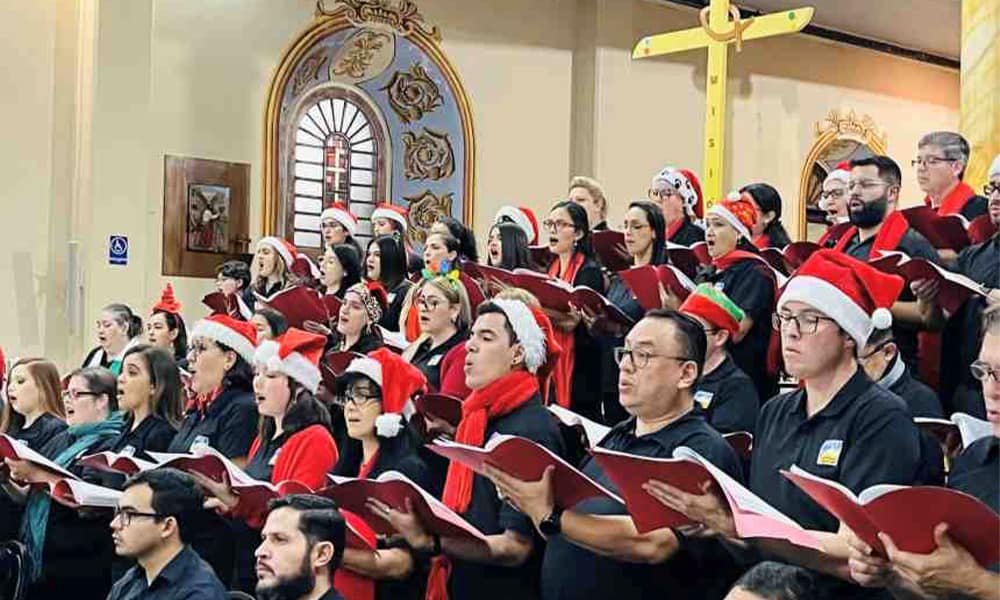
One of the most important religious traditions is the “Misa del Gallo,” or Midnight Mass, celebrated late on December 24. This mass marks the moment of Jesus’ birth and has long been a central part of Christmas celebrations in Costa Rica. Traditionally, families attend this religious service together, either before or after their Christmas Eve dinner, reinforcing the spiritual significance of the holiday.
For most Costa Ricans, December 24 is the main day for family gatherings. Even those who live in different parts of the country or abroad make a strong effort to return home, as family is central during this time of year. Christmas Eve is seen as a moment to reconnect, strengthen bonds, and share meaningful time with loved ones.
A large dinner, prepared with love and joy, is shared late in the evening. Traditional foods play a very important role in the celebration. Many families prepare tamales, which are considered the most iconic Costa Rican Christmas dish. The process of making tamales usually happens in early December and becomes a social tradition involving multiple generations. Other common foods include lechón (roast pork), rompope, and other traditional drinks and desserts.
Costa Rican culture values family unity and simplicity. Christmas Eve is about being together, creating memories, and sharing food rather than focusing only on material things. Although presents are an important part of the celebration, many families try to teach children that the true value of a gift lies in the love and intention behind it.
Children excitedly open gifts from family members on Christmas Eve and then wait for “El Niño” (Baby Jesus) or “San Nicolás” (Santa Claus) to leave additional presents under the tree on Christmas Day. Many families also take time to reflect on the religious meaning of Christmas through prayers, carols, and quiet moments of gratitude, while contemplating the Nativity Scene in their homes.
Feliz Nochebuena from The Tico Times!





