
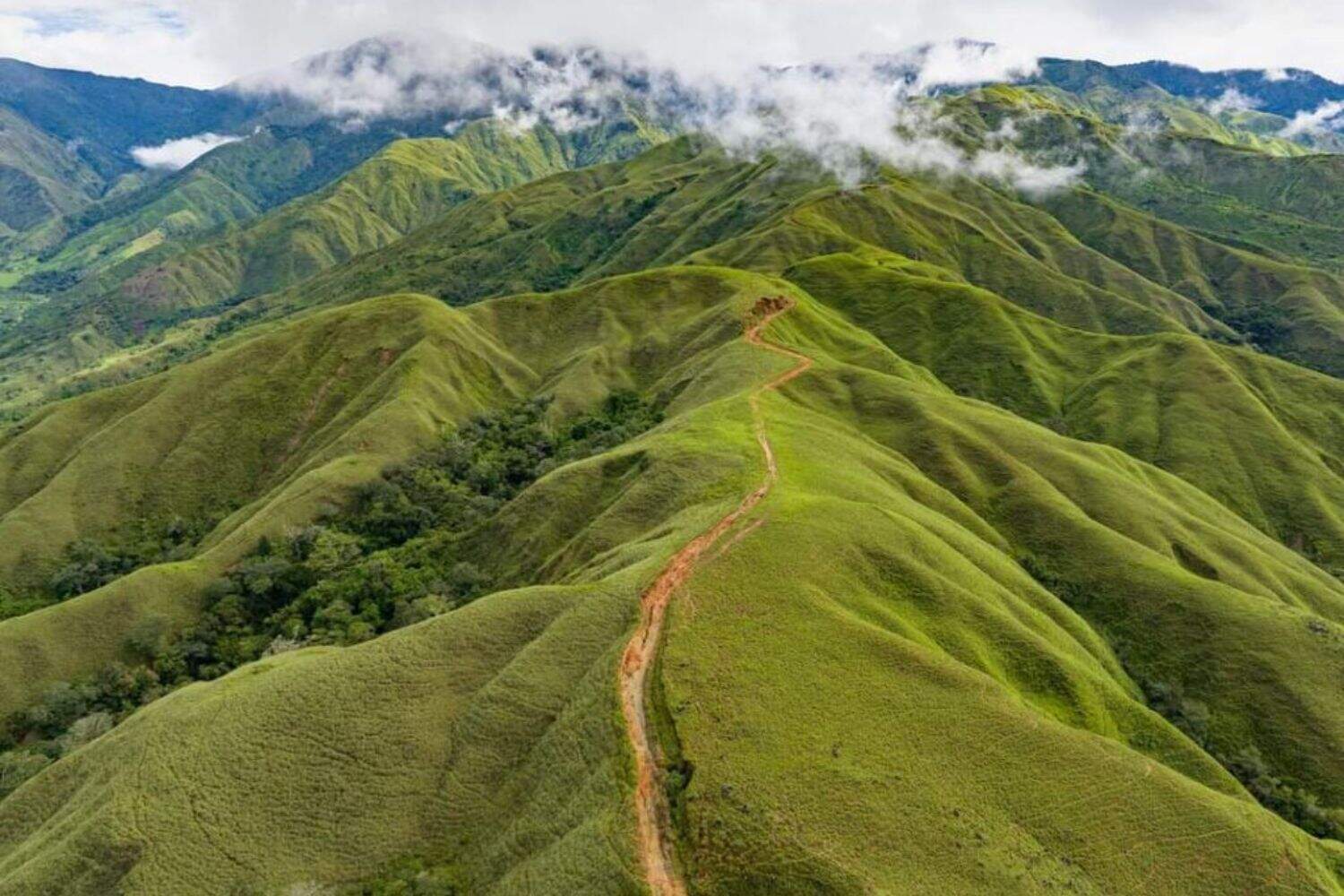
In southern Costa Rica, the Térraba Indigenous community stands as a frontline defender against a deepening global biodiversity crisis. With one million species facing extinction and ecosystems eroding faster than ever, according to United Nations assessments, local efforts like those in Térraba offer a model for resistance and recovery.
The Térraba people, known as the Brörán, have long confronted deforestation driven by logging and the spread of chemical-heavy agriculture. For decades, they have protected their ancestral lands, where rivers and forests hold deep cultural meaning. Pollution from upstream farms once tainted their water sources, killing fish and harming wildlife. Community members responded by restoring habitats and promoting sustainable practices that honor their traditions.
Paulino Nájera Rivera embodies this commitment. Growing up amid the forests of Buenos Aires, he learned from elders about the balance between people and nature. In the 1980s, as trees fell to clear land for crops and cattle, he saw the damage firsthand. By the 1990s, he and his siblings took action, planting more than 37,000 native trees. They gathered seeds from rare species on the brink of disappearance, guided by traditional knowledge. Exotic plants popular for quick profits held no appeal; instead, they focused on species that belonged to the ecosystem.
Today, Nájera Rivera’s land thrives with regenerated rainforest. Birds and animals have returned, and the soil supports diverse plant life. He turned this revival into a business called Rincón Ecológico Cultural, where he guides visitors on trails through the woods. Guests walk paths lined with towering trees, hear stories of Brörán heritage, and see before-and-after photos of the transformation.
Groups of up to 100 people, including students from over 30 countries in Europe and beyond, join these tours. They learn about environmental stewardship and the community’s bond with the land. “Rincón Ecológico Cultural started from a dream that no one backed at first,” Nájera Rivera said. “We aimed to highlight our culture and let people understand who we are.”
Nájera Rivera is among 77 Indigenous entrepreneurs who gained support from the Raíces program, a government-led initiative backed by the United Nations Development Programme’s Biodiversity Finance Initiative. Launched in 2020, Raíces—meaning “roots” in Spanish—serves as an incubator for sustainable tourism ventures in Indigenous territories. It provides training, funding access, and business tools tailored to communities often overlooked by traditional banks. Challenges like limited land titles and digital skills get addressed through customized approaches.
Across its first three editions, Raíces has channeled over $1.7 million to back 35 ventures. Two-thirds are led by women, reflecting a push for gender balance in economic development. The program now enters its fourth round, expanding to Caribbean territories like Nairi-Awari and Bajo Chirripó, alongside southern areas such as Boruca, Cabagra, and Térraba.
Other entrepreneurs echo Nájera Rivera’s success. In Térraba, Elides Rivera Navas runs Jardín del Idön, a garden-based tour operation that lets her stay rooted in her community while earning income. “Raíces gave me the chance to build a business without leaving my territory,” she explained. It balanced her family duties with professional growth.
In the Boruca territory, Johanna Lázaro Morales operates Caushas Farm, offering cultural experiences tied to agriculture. The support improved her services, allowing her to care for her children and elderly parents. “It changed how we share our ways with the world,” Lázaro Morales noted, emphasizing community uplift through women’s roles.
Andrey Zúñiga Torres, of Bribri-Cabécar descent in Ujarrás, leads KuyekECoVida, which spotlights local ecology and traditions. His work boosts the economy while passing knowledge to younger generations.These businesses do more than generate revenue; they safeguard biodiversity. By drawing tourists to restored sites, they fund conservation and educate visitors on threats like habitat loss.
Indigenous groups manage a significant portion of the world’s remaining intact forests—about 36 percent globally—making their strategies key to addressing the crisis. In Costa Rica, where tourism brings in $4.3 billion yearly and protected areas cover a quarter of the land, such models align with national goals. The country reversed severe deforestation in the late 20th century through policies that value forests economically.
Yet challenges persist. Global funding for biodiversity falls short by hundreds of billions annually, risking further declines in services like clean water and pollination that underpin half the world’s economy. In Térraba, ongoing pressures from agriculture demand vigilance.
Raíces demonstrates how targeted support can empower communities to lead. As Nájera Rivera walks his trails, he shows that reconnecting with ancestral ways can heal the land and inspire change. For Costa Rica and beyond, these Indigenous efforts point to a path where people and nature sustain each other.