

Costa Rican travelers heading to the United States will find stricter immigration controls after a new rule took effect yesterday. The change requires all non-U.S. citizens, including tourists and permanent residents, to provide biometric data at both entry and exit points. The Department of Homeland Security finalized the policy last month, mandating facial photographs for most travelers. In some cases, officials may also collect fingerprints or iris scans. This applies across all ports, from airports to land borders and seaports.
For Costa Ricans, who often fly north for family visits or business, the update means added steps during trips. Airlines and border agents use automated kiosks or gates to capture the data, which matches it against passport information. The goal is to track who enters and leaves the country more accurately, reducing instances of people staying beyond their allowed time.
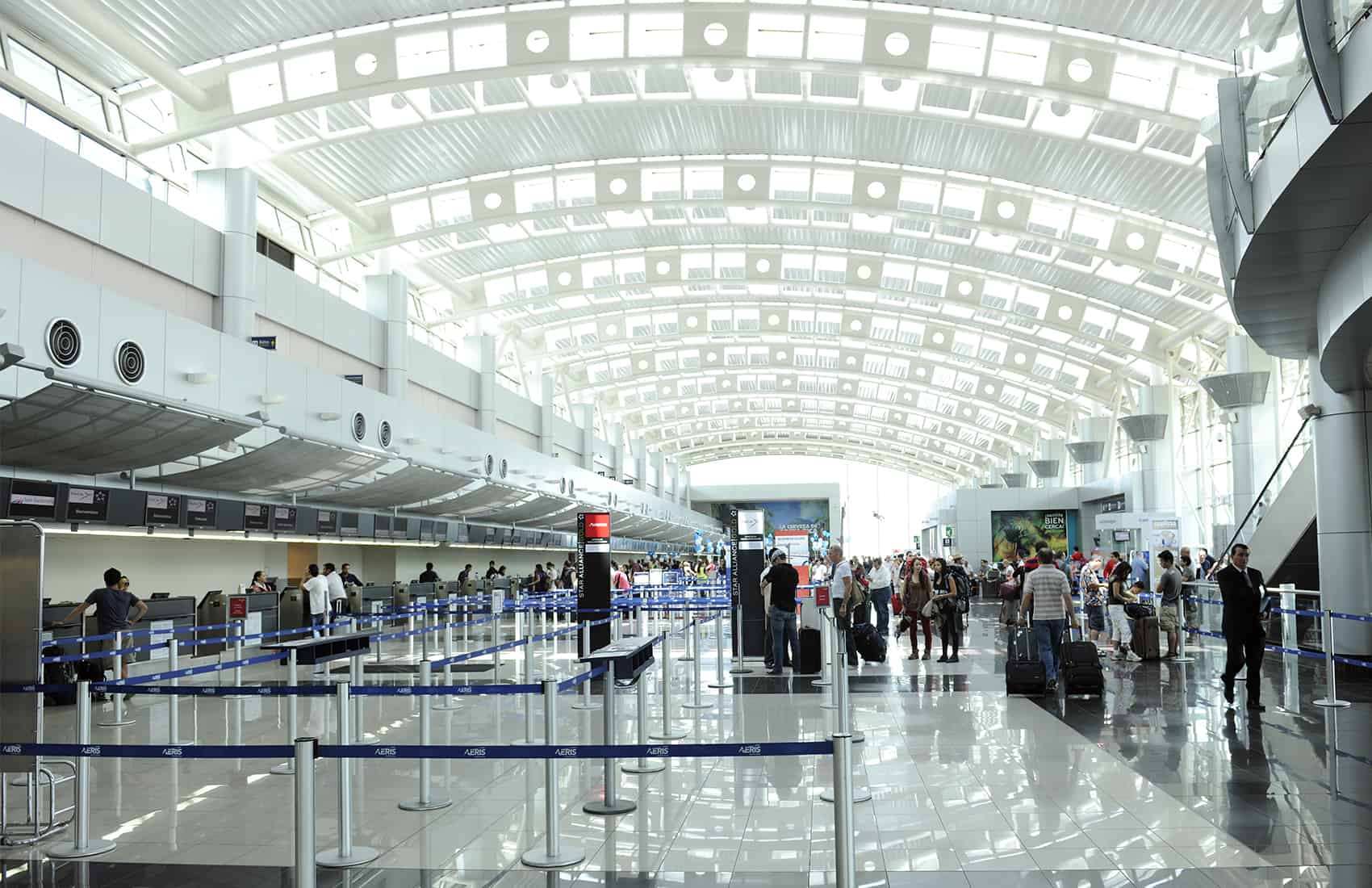
Travelers report mixed experiences on the first day. Some at Juan Santamaría International Airport in Alajuela noted longer lines at U.S. departure gates, where agents began scanning faces before boarding. Upon arrival in cities like Miami or New York, the process repeats. “It added about 10 minutes, but it felt straightforward,” said María López, a San José resident returning from a holiday trip.
Officials say the system builds on tests already in place at major hubs. Now, it covers everyone over 14 years old, with exemptions only for U.S. citizens and a few diplomatic cases. Children under 14 go through it too, though parents can opt out in rare situations. Costa Rica’s tourism sector watches closely, as the U.S. remains a top destination. In 2024, over 500,000 Costa Ricans visited the country, according to migration data. With year-end holidays wrapping up, many return this week and face the new checks.
Experts advise allowing extra time at airports. “Pack patience and arrive early,” recommended travel agent Carlos Mendoza in Heredia. He points out that delays could hit connecting flights if lines build up. The rule stems from long-standing laws aimed at tightening border security. Congress first called for a biometric exit system decades ago, but implementation lagged until now. Supporters argue it closes gaps in tracking, while critics worry about privacy and data storage.
For green card holders from Costa Rica, the change hits home. These permanent residents must comply on every trip out and back, ensuring their records stay current. Costa Rican authorities have not issued formal guidance yet, but the Foreign Ministry urges checking U.S. embassy updates. Travelers with visas or under the Visa Waiver Program – which Costa Rica joined in 2023 – follow the same steps.
As flights continue, the full impact will show in coming days. For now, the message is clear: plan ahead to avoid surprises at the border. This development affects thousands of families and workers. If you travel soon, review your itinerary and build in buffer time.





