

Electric vehicles hit a milestone in Costa Rica last month, claiming over a quarter of all new vehicle registrations for the first time. Data released at the International Electric Mobility Congress shows that 25.6% of new vehicles in October were electric, marking the highest share on record.
The figures come from the Costa Rican Electric Mobility Association (ASOMOVE), which presented them on November 6 during the event in San José. Out of the total, workers registered 1,095 electric vehicles, with 1,029 being cars. Motorcycles, special vehicles, and cargo models made up the balance.
This surge builds on steady growth throughout the year. September saw 21.7% of new registrations as electric, while August hit 19.3% and May reached 18.2%. Silvia Rojas, ASOMOVE’s executive director, pointed to the trend as a sign of momentum. “The country aims for this kind of progress,” she said. “That growth curve will keep rising and speeding up.”
By the end of September, Costa Rica had 31,500 electric vehicles on its roads. Projections suggest the total could reach 35,000 by year’s end, solidifying the nation’s spot as Latin America’s leader in electric vehicle adoption. While global frontrunners like Norway boast over 90% electric in new sales, Costa Rica outpaces regional peers in market penetration for clean transport.
The push aligns with broader goals to cut carbon emissions and update public transit. Electric mobility now ranks high in political discussions, especially with elections approaching in 2026. At the congress, presidential candidates Claudia Dobles, Juan Carlos Hidalgo, and Álvaro Ramos voiced support for electrifying transport, building an integrated system, and overhauling regulations.
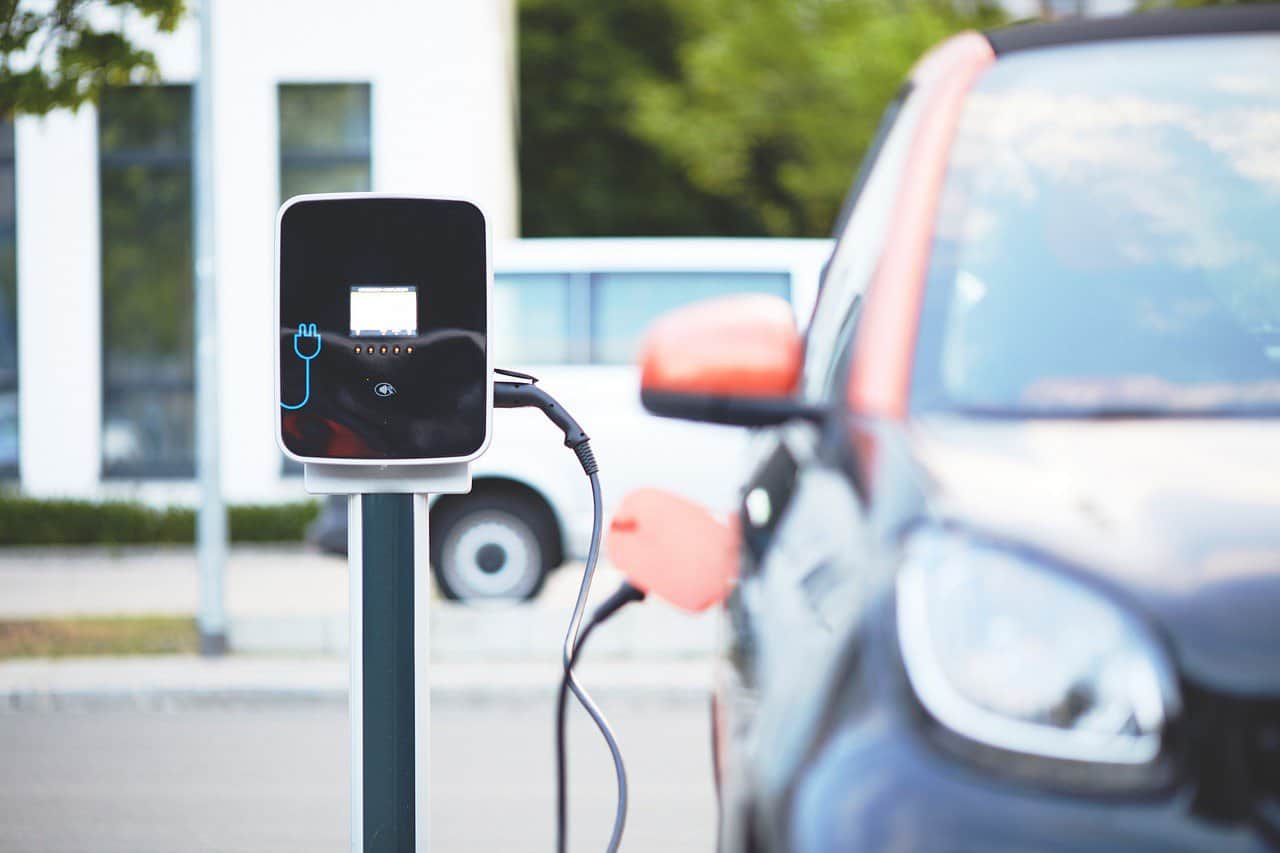
Yet challenges persist. Infrastructure lags behind the boom, with just 78 charging stations nationwide serving more than 35,000 vehicles. That leaves one charger for every 448 cars, a gap that hampers wider use. Rojas highlighted the issue, calling for better electrical coverage and reliable fast chargers. “People need working stations without hassle when they plug in,” she added.
To address this, ASOMOVE backs Bill 24.171, which would let private companies install chargers and sell charging services. The move could expand the network and ease access for drivers.
Chinese brands dominate the market, accounting for 70% of electric cars in circulation. Models like the BYD Seagull stand out for their low ownership costs, drawing buyers amid rising fuel prices and tax incentives for electrics. The government extended duty-free imports for fully electric vehicles since 2018, fueling the trend despite gradual tax hikes on hybrids.
Regionally, Latin America and the Caribbean saw their electric fleet top 444,000 units in 2024, nearly tripling from the prior year. Costa Rica’s share, over 29,000 at that time, represented 16% of new vehicles – a benchmark others aim to match. Brazil and Mexico lead in sheer numbers, but smaller nations like Guatemala and the Dominican Republic show fast growth.
October also brought firsts, with the arrival of initial electric buses set to test in public fleets. ASOMOVE’s monthly magazine detailed these steps, alongside stats showing consistent monthly registrations above 800 units since spring.
As Costa Rica presses forward, the congress served as a forum for innovation. Speakers discussed sustainable transport’s role in reducing oil dependence – globally, electrics avoided burning 1.3 million barrels daily last year. For a nation powered mostly by renewables, the shift promises cleaner air and lower costs for commuters.
Drivers report savings on maintenance and fuel, with electric models proving reliable in urban and rural settings. Grassroots networks have even emerged to combat range concerns in remote areas.
The road ahead demands action on infrastructure and policy. With candidates aligned, the next administration could accelerate the transition, positioning our country as a model for the region.





