
Christmas is a very special celebration for Ticos (Costa Ricans, as most of the readers of the Tico Times already know, are affectionately known as Ticos). Traditional food, gatherings with friends and family, presents, and decorations make this a fantastic season in the country.
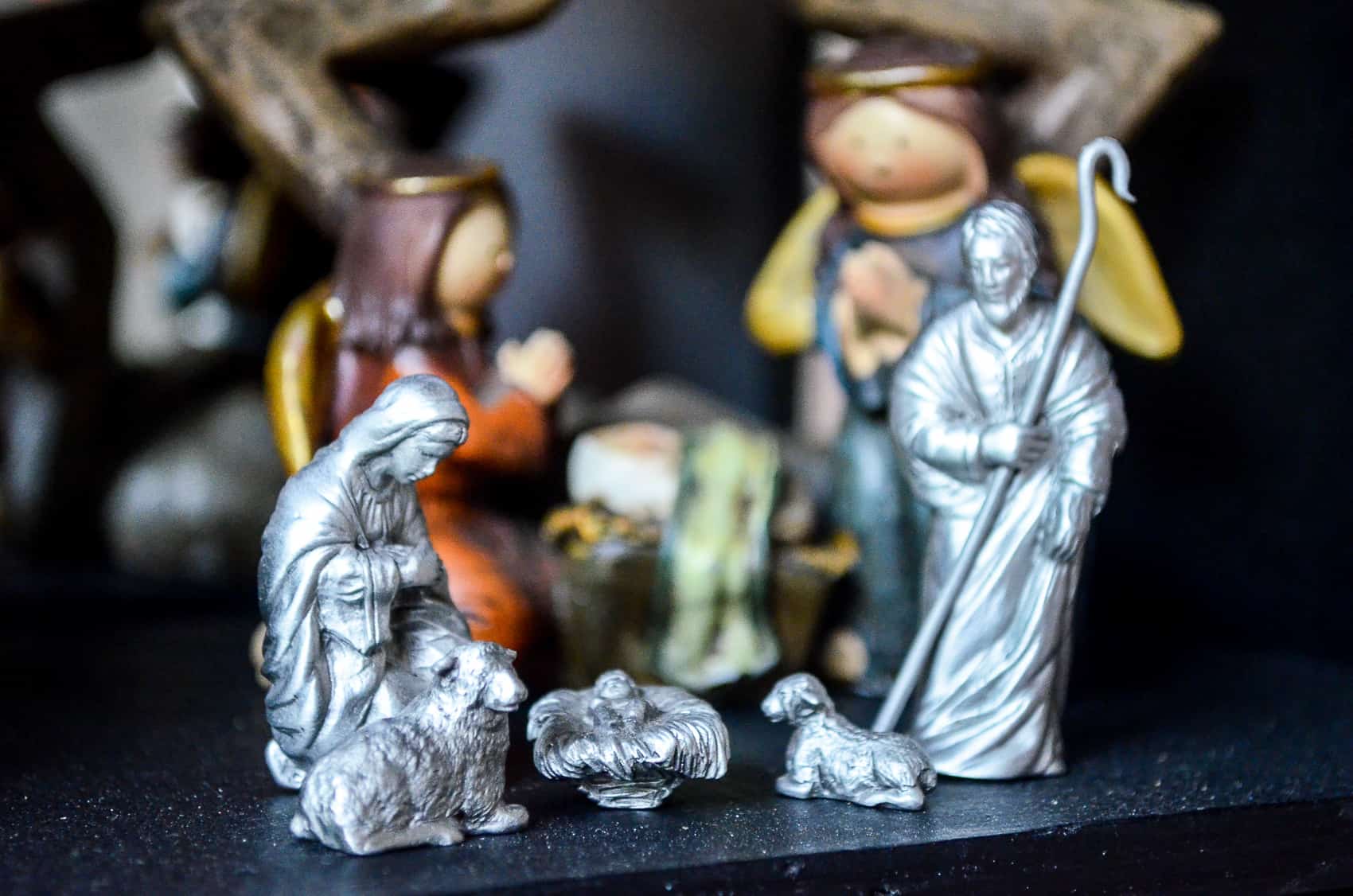
“El portal” or “el pasito” (the Nativity Scene) is very significant in Costa Rican households. This tradition has become very important throughout the years, especially for Catholics who celebrate Christmas fervently.
The decoration of the Nativity Scene is a family activity where creativity, devotion, and tradition are characteristic. Many families even start with the preparation in their homes in November. Catholic families set it up on the Feast of the Immaculate Conception (December 8th).
Nativity Scenes have five central figures: Baby Jesus, the Virgin Mary, St. Joseph, the mule, and the ox. Usually, they also feature the Three Wise Men, sheep and their shepherd, and angels. Many also include the Star of Bethlehem.
The assembly of the Nativity Scene is accompanied by moss, sawdust, plants, trunks, rocks, cypress branches, and Baby Jesus, Virgin Mary, and St. Joseph are placed in a barn or cave structure. While the core elements remain the same, there can be unique or regional variations in the decorations used.
As part of the tradition, once the Nativity Scene is done, families invite neighbors, relatives, and friends to see it. In recent years, this custom has regained its strength and even represents an ideal occasion to share a drink or traditional food, such as the famous tamales.
Dismantling the Nativity Scene is also an extremely symbolic moment. It’s often done after “el Rezo del Niño” (a traditional prayer service for the Christ Child). Once again, family, friends, and neighbors gather to pray and thank Jesus for all the blessings. The prayers are also accompanied by music.
As in any Costa Rican traditional gathering, food is always present. Coffee, aguadulce (a traditional sugarcane drink), bizcochos (a type of cookie), tamal asado (a grilled version of the traditional tamale), rompope (a type of eggnog), and other foods typical of Costa Rican cuisine are offered once the prayers are completed. Many of the recipes for the meals prepared are passed down from grandfathers and grandmothers and are expected to continue throughout the generations.
Over time, the Nativity Scene tradition has evolved and adapted within modern Costa Rican society. While some families may opt for more contemporary decorations, the essence of the tradition remains the same – a time for loved ones to come together in faith and fellowship.
These traditions are very dear to Ticos, who appreciate quality time with family and loved ones, the opportunity to give thanks, activities promoting union, and enjoying meals with those they love the most. The Nativity Scene and its associated customs are an integral part of the Costa Rican Christmas experience, contributing to the joy, togetherness, and rich cultural heritage that make this season so special in the country.