

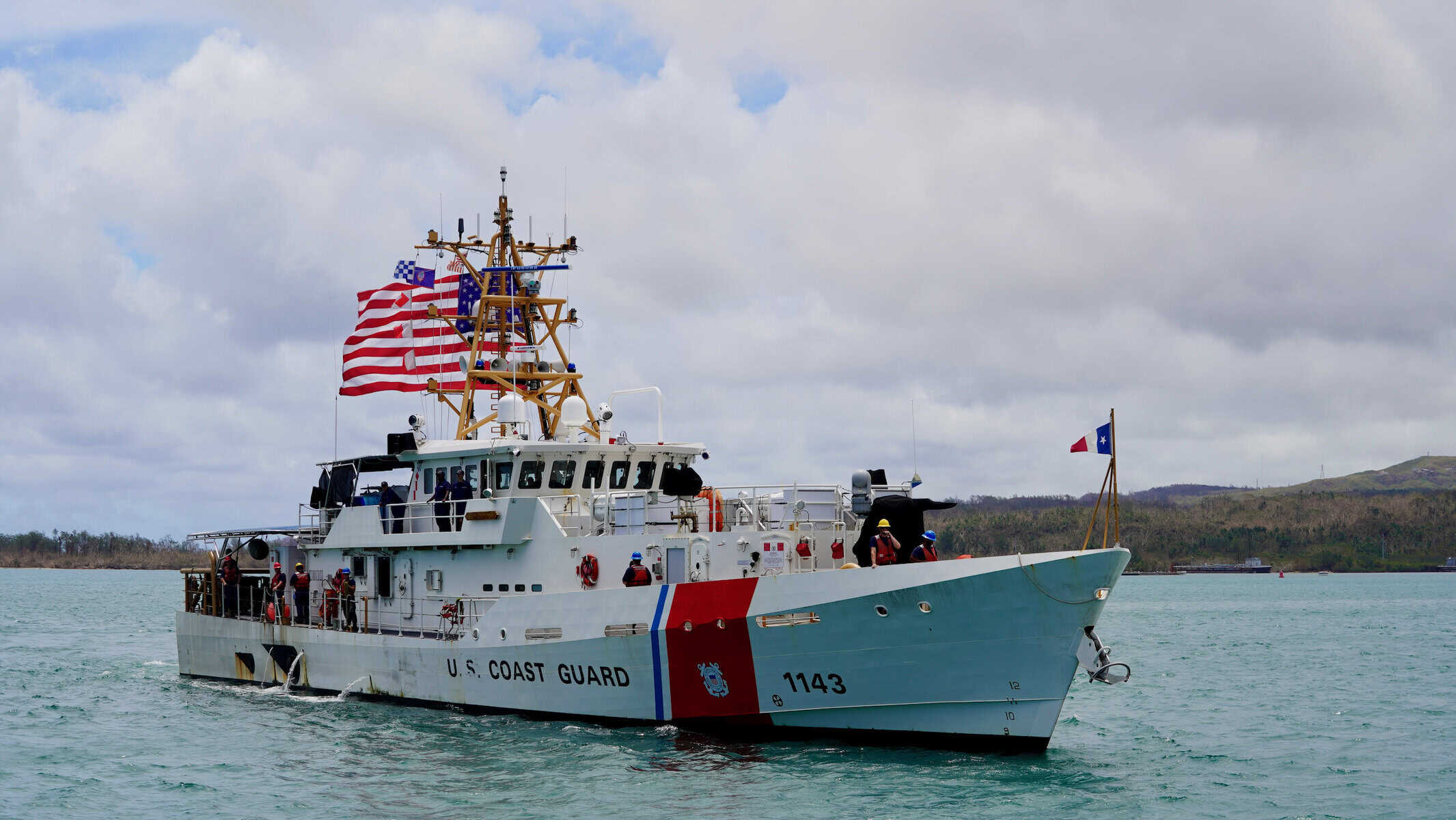
Lawmakers in Costa Rica’s Legislative Assembly have given the green light for up to 195 U.S. Coast Guard vessels to access the country’s ports next year as part of joint efforts to combat drug trafficking. The approval, passed on Wednesday with 38 votes in favor and five against, covers operations from January 1 to December 31, 2026.
The decision stems from a 1999 bilateral agreement between Costa Rica and the United States that allows shared maritime patrols. Under this setup, U.S. vessels can dock, remain in ports, and allow crew to disembark in both Pacific and Caribbean facilities. Their main role will involve supporting Costa Rica’s National Coast Guard Service in intercepting drug shipments within the exclusive economic zone and nearby waters.
The vessels cover several categories, each with specific crew capacities. Here is a breakdown:
| Vessel Type | Quantity | Officers | Enlisted | Scientific Officers | Scientific Enlisted | Aircraft/Helicopters |
|---|---|---|---|---|---|---|
| Security Cutter Medium Legacy (WMSL) | 10 | 17 | 107 | 0 | 0 | 2 aircraft |
| Medium Endurance Cutters (WMEC) | 26 | 13-17 | 366 | 0 | 0 | Several helicopters |
| Island-class Buoy tenders (WLB) | 16 | 8 | 36 | 0 | 0 | None |
| Marine Protector-class Coastal Patrol ships (WLM) | 14 | 4 | 21 | 0 | 0 | None |
| Fast Response Cutters (WPC) | 62 | 4 | 20 | 0 | 0 | None |
| Patrol Boats (WPB) | 59 | 1-2 | 9-16 | 0 | 0 | None |
| Polar-class Icebreakers (WAGB) | 3 | 19 | 66 | 51 | 16 | None |
| Sailing Vessel (WIX) | 1 | 12 | 68 | 0 | 0 | None |
Totals across all vessels reach 1,092 officers, 6,341 enlisted personnel, and 153 scientific officers. Officials from the Ministries of Foreign Affairs and Public Security submitted the request on December 15, emphasizing the need for continued collaboration to disrupt narcotraffickers using sea routes.
All five opposing votes came from the Frente Amplio party. Party leader Rocío Alfaro Molina raised concerns during the debate, pointing out that many vessels carry heavy armament. She referenced reports of 25 vessel sinkings and 95 deaths in the region attributed to U.S. forces, labeling them as extrajudicial actions not aligned with international or national laws. Alfaro also questioned the operations’ focus, noting the recent U.S. pardon of former Honduran President Juan Orlando Hernández, who faced drug trafficking convictions.
Supporters, including deputies from other parties, argued that the partnership strengthens Costa Rica’s defenses against organized crime without compromising sovereignty. Data from the U.S. Embassy shows the value of such cooperation: through October 31 this year, joint efforts led to the seizure of 19 suspected smuggling vessels, the arrest of 59 individuals, and the confiscation of 26,066 kilograms of cocaine and 27,358 pounds of marijuana.
This approval marks another step in the longstanding alliance, as Costa Rica lacks a navy and relies on international aid to police its extensive coastlines. Officials say the arrangement helps keep drugs from reaching local communities and international markets.





