

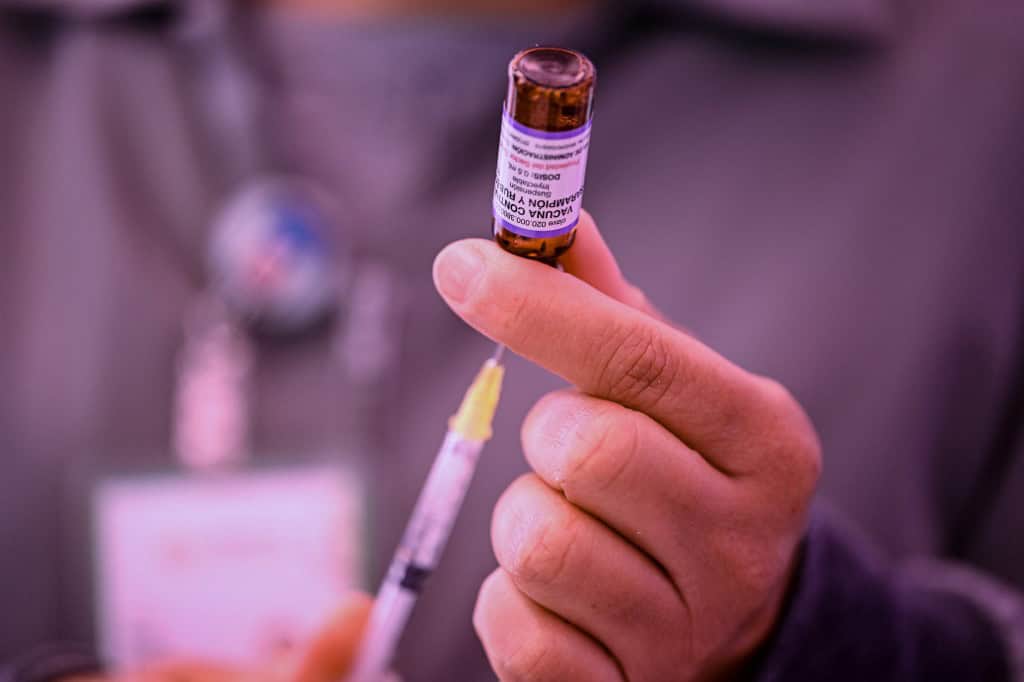
Costa Rica health authorities and travel-medicine experts advise people heading to the country to review their vaccination records. They place particular focus on the measles-mumps-rubella vaccine. Officials confirmed the second measles case of the year on March 6. The Ministry of Health and the Costa Rican Social Security Fund activated epidemiological protocols. Teams carry out contact tracing and keep the patient in isolation.
The first case involved a child who arrived from Mexico without vaccination records. These detections follow a sharp rise in measles reports across the Americas. Travel-medicine experts recommend that all international travelers receive full protection against measles through the MMR vaccine. Infants ages 6 to 11 months may need an early dose in some situations. Travelers gain the best results when they complete doses at least two weeks before departure.
Costa Rican health officials expanded vaccine access for certain age groups who plan trips abroad. They keep the shot available through the public health system. No proof of MMR vaccination is required for entry into Costa Rica. Authorities still stress that staying current limits risks for visitors and residents alike.
Measles spreads easily through the air and can cause fever and rash. Families with young children receive special attention in the guidance. Travelers should talk with their doctor or a clinic before departure to confirm status and address any gaps. Health teams continue to monitor developments and adjust steps as the situation evolves.





