

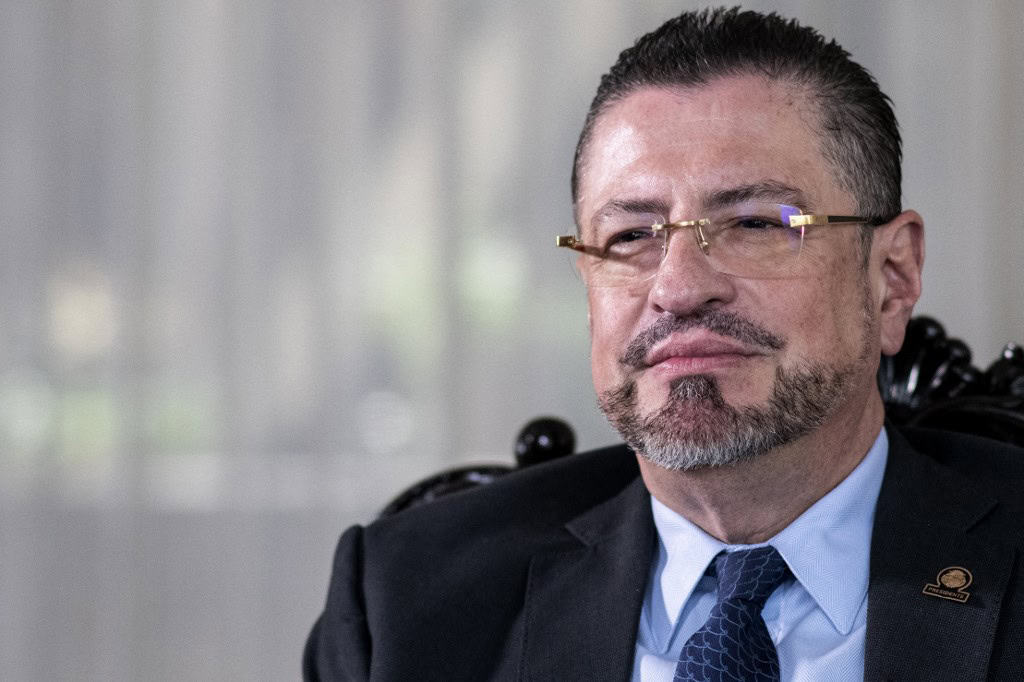
President Rodrigo Chaves sidestepped a potential removal from office for the second time this year when lawmakers turned down a bid to strip his immunity. The vote, held in a special session on Tuesday, centered on claims that he misused his position to push a political agenda before the February 2026 elections.
The Supreme Electoral Tribunal (TSE) pushed for the move, arguing Chaves acted improperly by favoring certain political efforts. Lawmakers needed 38 votes to approve it, but the tally came in at 35 in favor and 21 against. Congress leader Rodrigo Arias declared the outcome, stating no clear grounds existed to proceed against Chaves.
Debate in the chamber grew heated. Legislator Alejandra Larios pointed to evidence of public funds steering the electoral landscape, a direct breach of rules that bar presidents from partisan actions. On the other side, María Marta Carballo called the push an overreach that threatened fair governance.
Chaves, at 64, has faced mounting scrutiny but holds strong public support through his firm stance on security issues. He dismissed the effort as baseless theater orchestrated by rivals. “They keep trying, but the facts stand,” he said after the decision.
This marks the second failed attempt against him. Back in September, Congress blocked a similar request tied to corruption allegations, where prosecutors claimed he influenced a presidential contractor to funnel $32,000 to an associate for media guidance. That case could have gone to the Supreme Court, forcing his exit if proven.
Experts like University of Costa Rica’s Marvin Carvajal explain that a TSE conviction might have ended Chaves’s term or blocked his future roles in public life. Yet, with his presidency wrapping up in May 2026, observers doubted the opposition’s chances in a divided legislature. “The math didn’t add up,” one analyst noted, highlighting the tight timeline.
Tensions run high as elections approach, with right-leaning groups aiming to hold ground through candidates like ex-minister Laura Fernández. Chaves has sparred openly with judicial and legislative leaders, charging them with blocking his policies, while they counter that his approach edges toward overcontrol.
Outside voices weighed in too. U.S. Representative Mario Díaz-Balart, linked to former President Donald Trump, cautioned that ousting a leader so close to polls could undermine trust in the system. Despite these brushes with accountability, Chaves has dealt with past fallout. The World Bank barred him from roles there after findings of misconduct toward staff, prompting his public regret upon taking office.
The TSE accepted the congressional ruling, affirming respect for the separation of powers. As Costa Rica heads into a pivotal electoral cycle, this episode underscores the fragile balance between oversight and stability in a nation known for its steady democratic traditions. Chaves’s administration continues to prioritize crime reduction and economic measures, even as critics question his methods. With the immunity intact, he presses forward, undeterred by the political storms.





