

El Salvador recorded its lowest homicide tally since tracking began, with government officials announcing 82 murders in 2025, a sharp drop from the previous year. Justice and Public Security Minister Gustavo Villatoro shared the figures during a press conference on Monday, pointing to the ongoing campaign against gangs as the main factor.
The homicide rate stood at 1.3 per 100,000 people, down from 1.9 in 2024 when 114 killings occurred. Officials noted that all 82 cases from last year reached resolution, achieving full clearance. “This positions El Salvador as the safest nation in the Western Hemisphere,” Villatoro stated, emphasizing the progress made under President Nayib Bukele’s leadership.
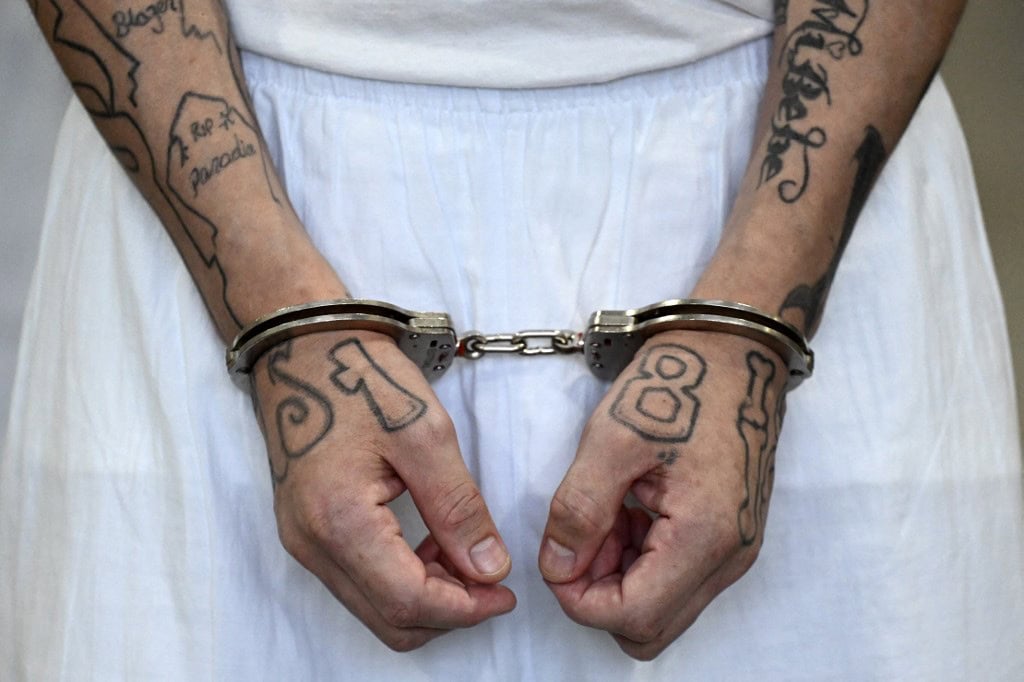
The decline stems from a state of emergency declared in March 2022, which permits detentions without warrants. This measure has led to nearly 91,000 arrests of suspected gang members, though around 8,000 later gained release after reviews showed no involvement. Gangs once dominated 80% of the country, relying on extortion from businesses and transport operators, with refusal often resulting in death.
Back in 2015, the rate peaked at 106 homicides per 100,000, marking El Salvador as one of the most dangerous places outside war zones. The shift began with Bukele’s term, where homicides fell steadily. By 2023, the figure hit 2.4 per 100,000, and the downward trend continued.
Yet the approach draws criticism. Humanitarian groups report rights abuses, including arbitrary arrests and poor prison conditions. The NGO Socorro Jurídico Humanitario documented 473 deaths in custody last year, many without trials. Human Rights Watch highlighted the drop but raised concerns overdue process.
Villatoro maintained that forces “neutralized” gangs throughout 2025, calling them the primary threat. The government also tallied over 1,100 days without murders since Bukele took office, with 988 under the emergency rule.
For us here in Costa Rica, this stands in contrast to local trends. While El Salvador’s rate dipped below 2, Costa Rica faced 17.2 homicides per 100,000 in 2024, fueled by drug trafficking. Recent pacts between Presidents Bukele and Rodrigo Chaves aim to share security strategies, including visits to El Salvador’s high-security facilities.
Officials project even lower numbers ahead, but observers call for balance between safety and justice. The emergency state, extended multiple times, remains in place as the country builds on these gains.





