

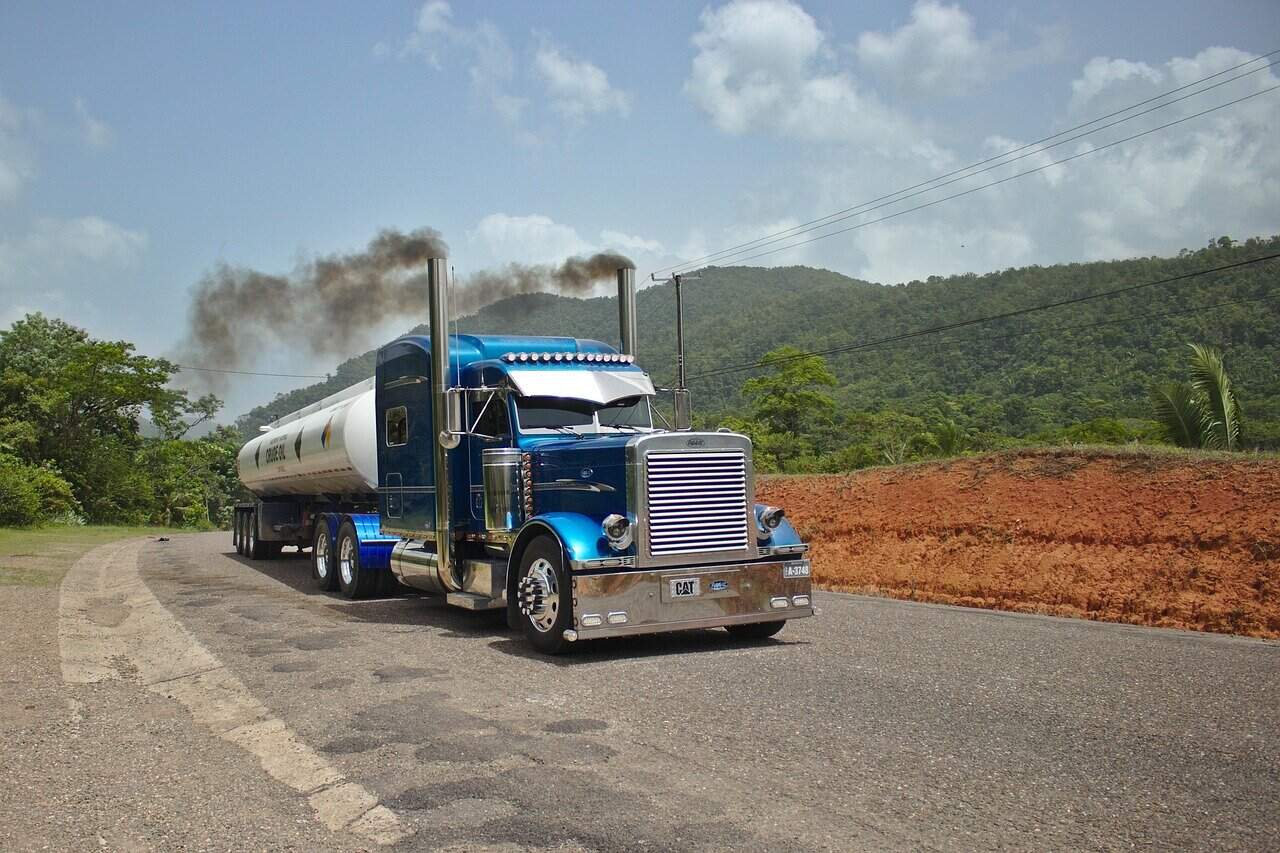
President Donald Trump announced on Tuesday that Venezuela plans to transfer between 30 and 50 million barrels of crude oil to the United States. This move follows a U.S. military operation that removed former President Nicolás Maduro from power last weekend.
Trump described the oil as high-quality and sanctioned, estimating its value at over $2 billion based on current prices. He stated that proceeds from sales would fall under his direct oversight. The announcement came shortly after U.S. forces captured Maduro and his wife, Cilia Flores, in Caracas and transported them to New York for trial on drug-related charges.
Interim President Delcy Rodríguez, who served as vice president and energy minister under Maduro, now leads the country. She has expressed a willingness to work with the U.S., though details on her agreement to the oil transfer remain unclear. Venezuelan officials have not commented on the plan’s logistics or legal standing.
Trump has positioned the U.S. as the dominant force in Venezuela’s affairs, declaring that American firms will manage the nation’s vast oil reserves, the largest in the world. He assigned Energy Secretary Chris Wright to handle the transfer and sale process without delay.
Rodríguez faces pressure from multiple sides. She must address U.S. expectations, which include reducing Venezuela’s alliances with Cuba, China, Iran, and Russia, while maintaining support from military leaders like Interior Minister Diosdado Cabello and Defense Minister Vladimir Padrino López. These figures hold significant influence over security forces.
In recent days, Venezuelan streets have seen increased military presence. Cabello led rallies in Caracas calling for Maduro’s release. The government reported 23 military deaths from the U.S. operation, including five generals. Cuba listed 32 of its personnel killed, many part of Maduro’s protection team. Attorney General Tarek William Saab mentioned dozens more fatalities among civilians and soldiers.
Rodríguez declared a week of national mourning for the losses. She addressed the nation, stating that Venezuelans stand firm and do not yield. “The government of Venezuela runs our country, and no one else,” she said, countering Trump’s claims of U.S. control.
Former diplomat Alfredo Toro Hardy called the situation a return to old patterns of U.S. intervention in Latin America, unseen for generations. Trump has dismissed the role of Venezuela’s opposition, led by figures like María Corina Machado, in any transition. Machado, in a U.S. media appearance, questioned Rodríguez’s reliability due to her ties with foreign powers.
The White House rejected ideas of quick elections, despite constitutional rules that require them within 30 days after declaring a presidential absence, which could occur after six months. Trump described Maduro as responsible for widespread harm and said the new leadership is dismantling sites linked to past abuses.
Security concerns persist. A journalists’ union reported the brief detention of 16 media personnel on Monday, signaling ongoing restrictions. Trump warned Rodríguez of severe consequences for non-compliance, potentially exceeding those faced by Maduro.
This development marks a rapid change in U.S.-Venezuela relations, with economic implications for global oil markets. Venezuela’s reserves could reshape energy dynamics, but the path forward depends on Rodríguez’s ability to navigate internal and external demands.





