

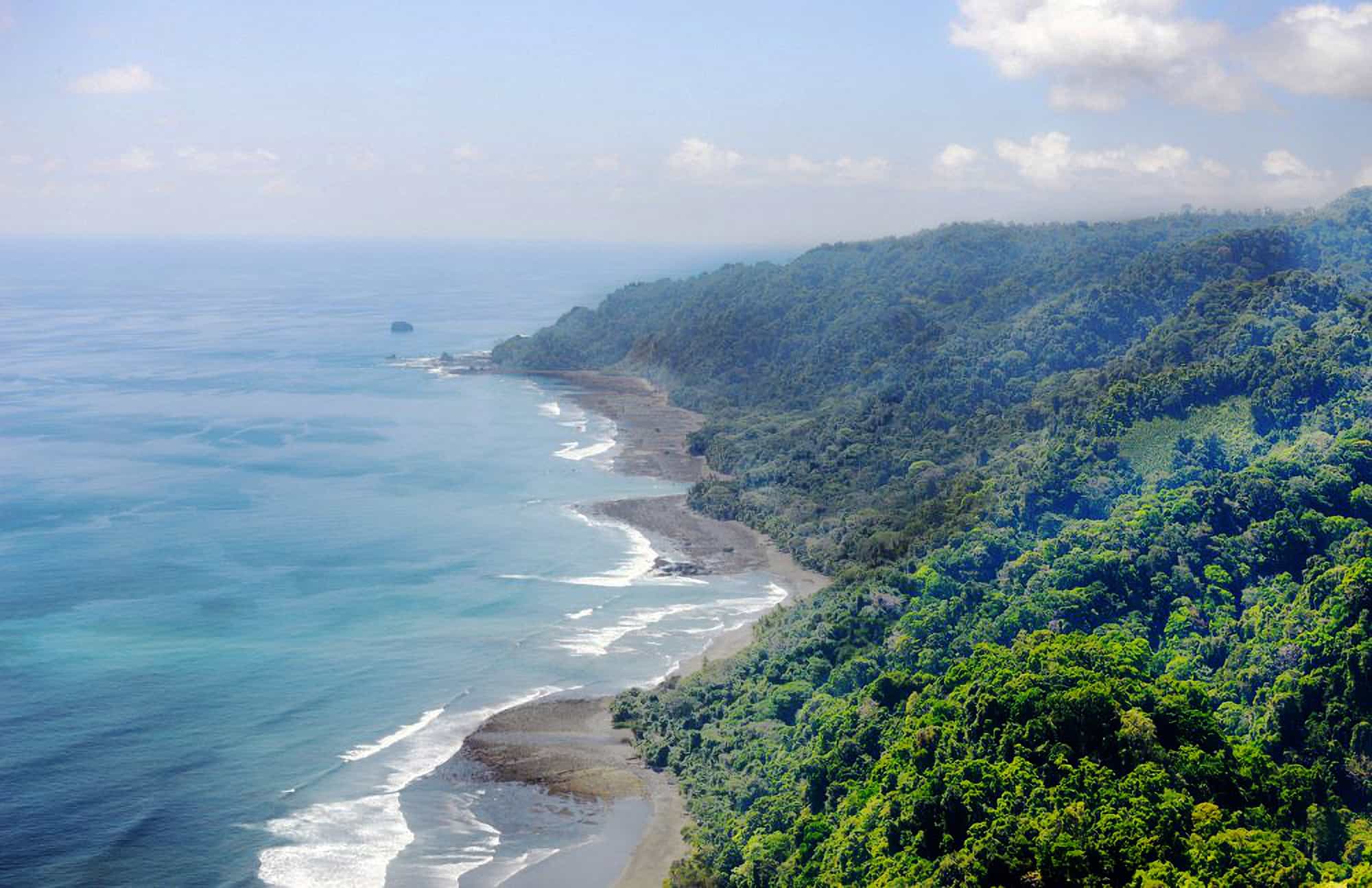
The Osa Peninsula has landed on The New York Times’ annual list of 52 places to visit in 2026, ranking fourth overall. This recognition points to the region’s rich biodiversity and its role as a quieter option compared to busier parts of Costa Rica. The Times describes Osa as a relaxed escape with open beaches and preserved jungle.
Trails in Corcovado National Park draw fewer crowds than those in northern parks, allowing visitors to experience the area’s land-based wildlife more peacefully. The park holds about 2.5 percent of the world’s biodiversity in just 0.03 percent of the planet’s surface. It shelters 13 endemic amphibian species, nearly 500 types of birds like scarlet macaws, and 140 mammals including jaguars, tapirs, and sloths.
Marine life adds to the draw. Isla del Caño stands out for snorkeling and diving amid coral reefs, sea turtles, dolphins, sharks, and rays. Recent developments include new boutique hotels and wellness spots in towns like Ojochal and Uvita. Chefs from abroad have set up operations here, focusing on farm-to-table meals that use local ingredients.
Costa Rica’s tourism board notes that this nod could and most likely will, increase visitor numbers to Osa, the only Central American site on the list. Latin American neighbors include Querétaro in Mexico and the Río Pastaza in Ecuador. With global attention, demand for trips are going to increase and this will push prices higher during not only high season but low season as well.
Travelers looking to go to Corcovado or Isla del Caño should plan ahead. Its highly recommended to book rooms and guided tours well in advance to secure spots. Direct flights to the San Jose Airport have improved access, making the journey smoother from major hubs.
Despite past deforestation from ranching, which cut forest cover by 25 percent since the 1950s, communities and authorities work on conservation. This balance keeps the peninsula’s natural features intact for future visitors. The inclusion by the Times, reflects Osa’s shift from what was once a lesser-known area to a recognized destination. It offers a mix of adventure and rest, away from more developed zones. For better or worse, as the area continues to get broader attention, growth is inevitable.





