

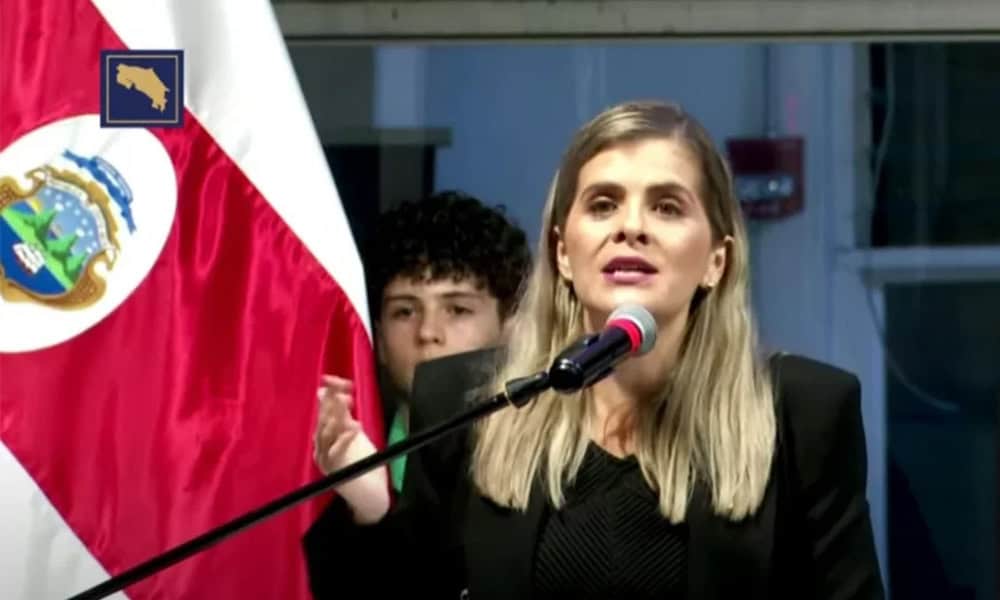
With the new year underway, Costa Rica’s political scene shifts back into high gear. The mandatory holiday truce on campaigning, enforced from December 16 through January 1, has now concluded. This clears the path for candidates to launch full-scale efforts leading up to the general elections on February 1.
The truce, outlined in Article 136 of the Electoral Code, aimed to give people a break from political ads and events during family-focused times. During those weeks, parties could not run paid promotions in newspapers, on radio, television, or online. They also faced limits on holding large gatherings or rallies in public areas. Digital ads, such as sponsored posts or banners on social media, fell under the same ban.
Candidates kept some options open. They took part in media interviews, debates, and opinion segments. Handing out flyers and using speakers on vehicles stayed allowed. Presidential hopefuls could share up to three short holiday greetings—one each for radio, TV, and print—after getting approval from the Supreme Electoral Tribunal (TSE).
Now that the restrictions have lifted, campaigns move forward without those holds. Paid ads return across all platforms, and parties can organize rallies, meetings, and other events to connect with voters. This final month becomes key for the 20 presidential candidates, as they make their last pitches before a quiet period starts the week before election day.
The TSE oversees this process closely. Larry Hans Arroyo Vargas, a legal expert, points out the strict rules on funding. “Political campaigns operate within a stringent regulatory environment, particularly concerning financing,” he says. “The Supreme Electoral Tribunal’s oversight is absolute, and any failure to meticulously document the origin and use of funds, whether public or private, can lead to severe sanctions. Transparency is not merely an ethical ideal; it is a legal imperative that defines the legitimacy of the entire electoral process.”
Voters will choose a new president and all 57 members of the Legislative Assembly. The president needs at least 40% of the vote to win outright; otherwise, a runoff follows. Seats in the assembly go by proportional representation in each province.
Several figures stand out in the race. Laura Fernández of the Sovereign People’s Party teams with Francisco Gamboa. Fabricio Alvarado from the New Republic Party runs alongside David Segura. Álvaro Ramos represents the National Liberation Party with Karen Segura. Natalia Díaz of United We Can pairs with Jorge Ernesto Ocampo. Claudia Dobles from the Citizens’ Action Party joins Andrea Centeno, and Ariel Robles of the Broad Front works with Margarita Salas. Other parties, like the Costa Rica First Alliance and the Democratic Union, field their own tickets.
This election follows the 2022 vote, where Rodrigo Chaves of the Social Democratic Progress Party took office. Current assembly seats show the National Liberation Party holding 18, followed by Chaves’ party and the Social Christian Unity Party with nine each. The New Republic and Broad Front each have six, while smaller groups and independents fill the rest.
As activities pick up, parties focus on core issues like economic growth, security, and public services. Candidates plan to hit the streets, aiming to sway undecided voters in urban centers and rural areas alike. The TSE reminds all involved to follow guidelines, with fines up to 23 million colones for violations.
This resumption marks the home stretch. In the coming weeks, expect more debates, ads, and events as contenders build support.





