

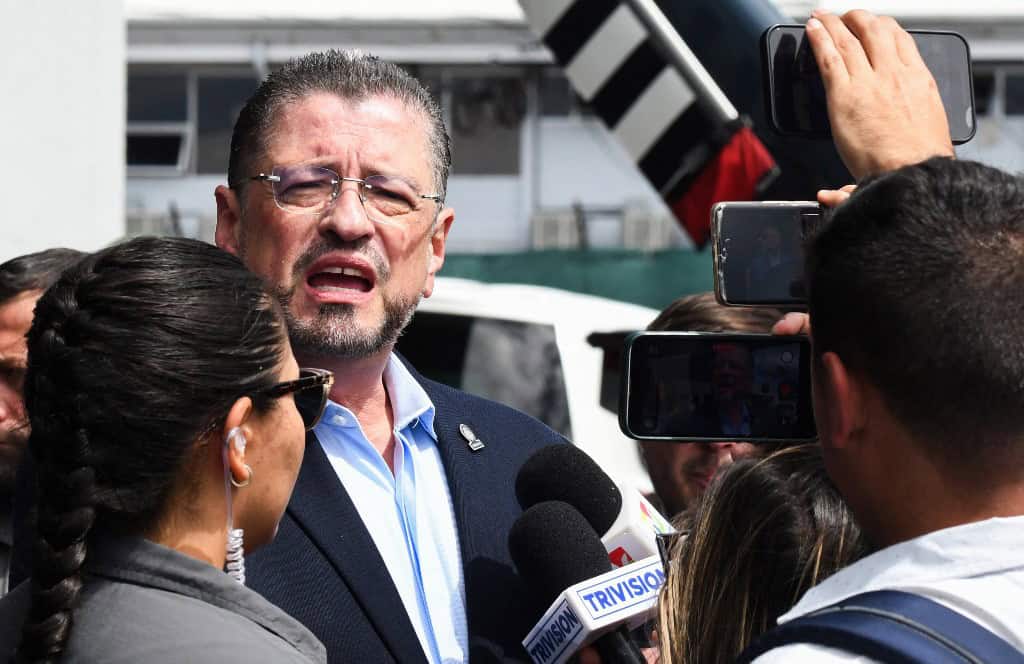
The Legislative Assembly has set December 16 for a key plenary session to vote on removing President Rodrigo Chaves’ immunity. The move follows a request from the Supreme Electoral Tribunal (TSE) over claims of political belligerence.
Lawmakers agreed to the date during a recent session, paving the way for Chaves to face the assembly. He plans to attend and address deputies before they debate and cast votes. The proposal needs 38 votes to pass, which would allow the TSE to pursue its case against him.
The TSE filed the request in early October, pointing to actions by Chaves that they say crossed into improper political involvement. This includes statements and activities seen as interfering in electoral matters ahead of the 2026 elections. A special legislative commission reviewed the evidence and, in late November, recommended lifting the immunity. The group, made up of deputies from various parties, heard testimony and examined documents before issuing its report.
Chaves has pushed back against the process, calling it a form of political persecution. In public remarks, he described the effort as an attempt to undermine his administration through institutional means. Supporters argue the claims lack solid proof and stem from opposition tactics, while critics say the president’s conduct warrants scrutiny to protect electoral integrity.
This is not the first time Chaves has faced such a challenge. In September, a similar vote on unrelated corruption allegations fell short of the required majority, leaving his immunity intact. That outcome highlighted divisions in the assembly, where party lines often influence decisions on high-profile cases.
If the assembly approves the measure, it would mark a significant step in holding the president accountable under Costa Rican law. The constitution grants immunity to sitting presidents for actions in office, but the legislature can waive it in specific instances. The TSE’s case centers on rules against “beligerancia política,” which bar officials from partisan activities that could sway elections.
Deputies from the ruling party and allies have signaled opposition to the request, citing potential instability. Meanwhile, opposition groups, including the National Liberation Party and others, have voiced support for the TSE’s position. The session will likely draw close attention from media and the public, with possible protests outside the assembly building.
As the date approaches, Chaves continues his duties, including recent engagements on economic policy and international relations. The outcome could affect his standing as he nears the end of his term in 2026. The assembly’s decision reflects ongoing tensions between branches of government here in Costa Rica. Analysts on the other hand, note that such proceedings test the strength of our democratic checks and balances.





