

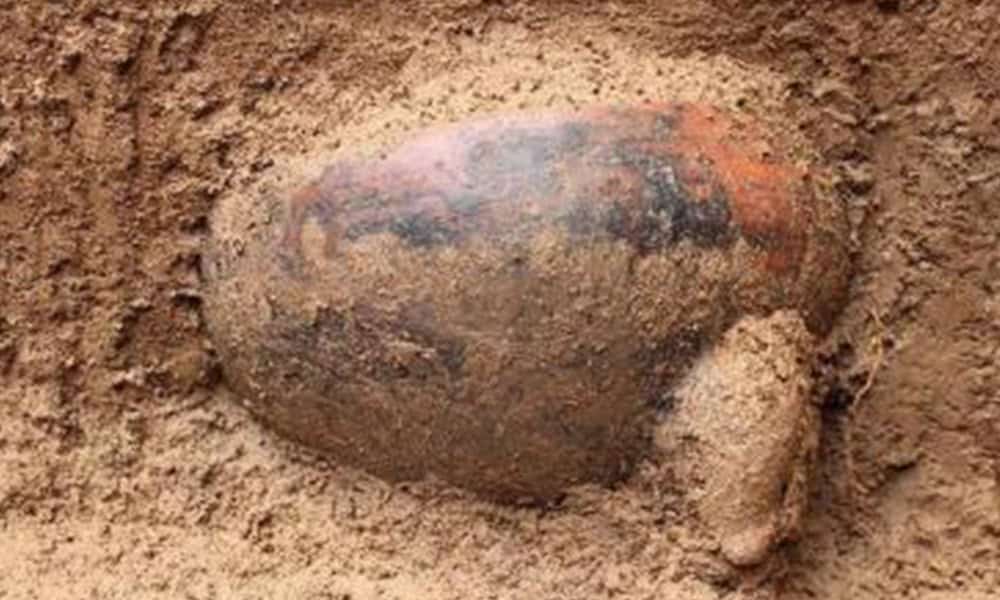
Authorities in Costa Rica plan to recover archaeological artifacts from the site of the proposed Southern Zone International Airport in Palmar Sur de Osa. The General Directorate of Civil Aviation (DGAC) announced that the recovery effort will start in the first half of 2026, before any construction begins on the airport project.
The DGAC selected this timeline to align with the dry season, which runs from February to August. Teams expect the process to last six months, with four months dedicated to fieldwork and two months for laboratory analysis. This step follows a detailed evaluation completed in July 2025 by the National Museum, which confirmed significant findings in the area.
During the evaluation, experts dug 2,800 test pits across 131.5 hectares of land in fincas 8, 9, 10, and 11. They uncovered more than 1,000 pieces, including tools, ceramics, and other items from pre-Columbian societies. These discoveries highlight the historical value of the region, known for its ties to ancient indigenous groups like the Diquís culture, famous for stone spheres.
President Rodrigo Chaves had previously stated that no major treasures existed on the site, but the results proved otherwise. The findings have prompted officials to proceed with a full recovery to preserve the artifacts while advancing the infrastructure project.
The airport aims to serve the Brunca Region, handling international flights and supporting tourism in areas like Corcovado National Park and the Osa Peninsula. Proponents argue it will create jobs and improve access for visitors, potentially increasing visitor numbers in a part of the country that sees fewer tourists compared to the northern zones.
Local residents and environmental groups have raised concerns. They fear the development could harm ecosystems, displace communities, and alter the cultural landscape. Some community members have discussed legal options to protect their lands and maintain the area’s character, drawing comparisons to changes seen in Guanacaste after its airport expansion.
Government officials maintain that the project includes measures to address these issues. The archaeological recovery forms part of a broader environmental and social impact assessment. Once completed, the DGAC plans to move forward with design and bidding processes, targeting construction to begin in 2027.
The initiative traces back to earlier administrations, with renewed focus under the current government. Studies resumed in 2023 to assess feasibility, including technical, economic, and cultural aspects. The airport would feature a runway capable of accommodating wide-body aircraft, passenger terminals, and cargo facilities.
Experts from the National Museum will lead the recovery, working with archaeologists and anthropologists. They will document, extract, and catalog each item to ensure proper preservation. Some artifacts may end up in museum collections or local exhibits, providing educational opportunities for residents and tourists.
This balance between progress and heritage reflects Costa Rica’s commitment to sustainable development. The country has a history of protecting archaeological sites, such as the Guayabo National Monument and the stone spheres declared UNESCO World Heritage sites in 2014.
As the recovery approaches, stakeholders continue to monitor developments. The DGAC has pledged transparency, sharing updates through official channels. Residents in Palmar Sur and nearby towns like Sierpe and Puerto Cortés remain watchful, hoping the project benefits the region without compromising its identity.





