

A tragic incident at Esterillos Este beach underscores the ongoing dangers of rip currents along the country’s Pacific coast. The Costa Rican Red Cross recovered the third body late Saturday after three people were dragged out to sea by a strong rip current in Parrita, in the Central Pacific region.
Rescuers responded to the alert and initially pulled a man and a woman from the water, but both had already drowned. The third victim remained missing until after 8:40 p.m., when a body was spotted floating near hotels in Esterillos Oeste. An advanced life support unit confirmed the discovery, and family members identified the deceased shortly after. The scene was handed over to judicial authorities for further investigation.
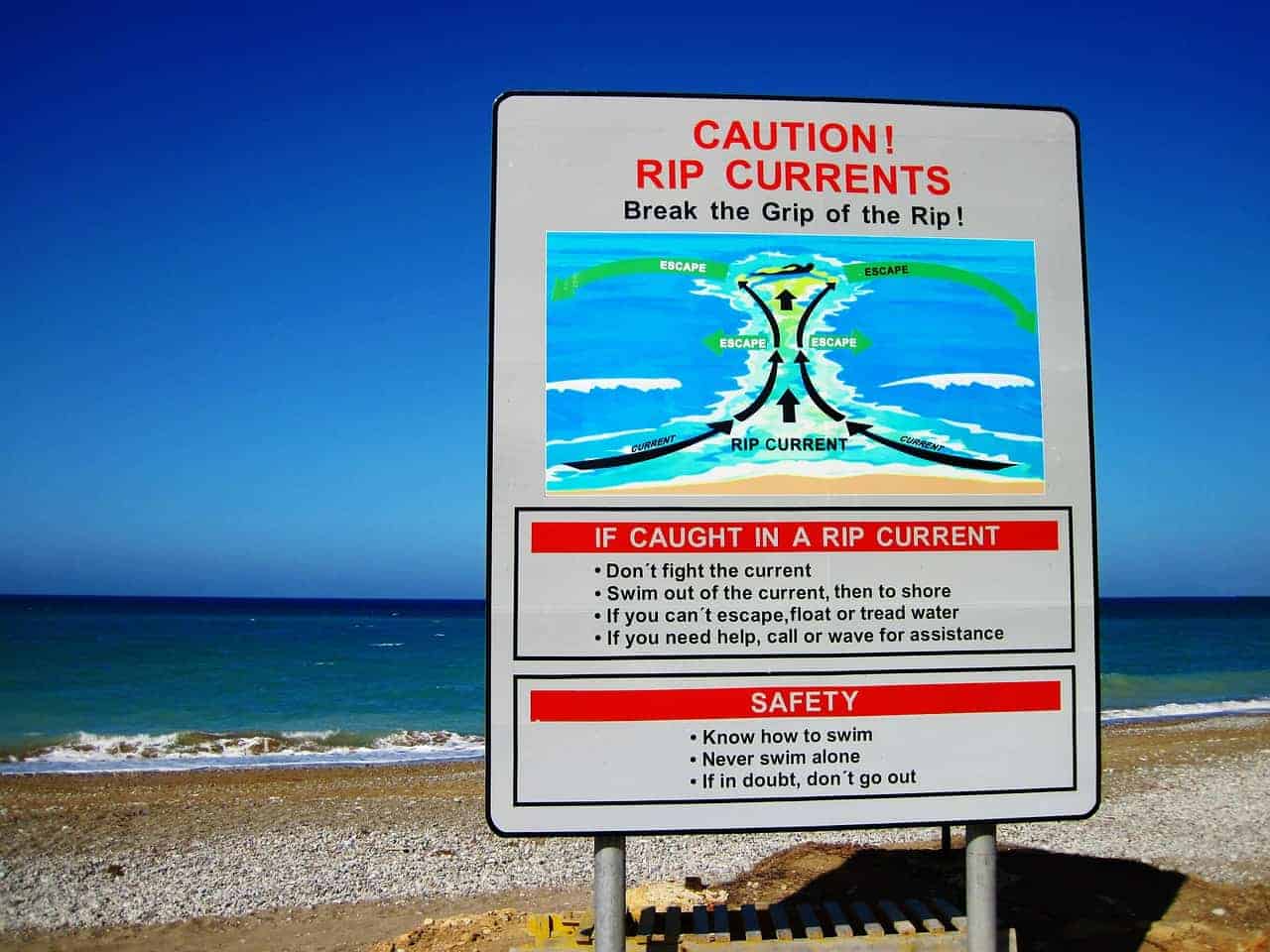
This event highlights the persistent threat of rip currents, which form as water funnels back to the ocean through narrow channels, often deceptive in their calm appearance. These currents pull swimmers offshore rapidly and account for many drownings each year in Costa Rica.
The U.S. Embassy in San José emphasizes these hazards in its travel guidance, noting that rip currents endanger lives along Costa Rica’s beaches. It recommends swimming only at spots with lifeguards or clear markings. Popular areas like Manuel Antonio and Cocles may have patrols, but many beaches lack them. Look for red flags signaling no entry or yellow for caution, and always swim with others.
If caught in a rip current, stay composed, float to conserve energy, and swim sideways along the shore to break free before returning to land. Skip alcohol near water and avoid unfamiliar depths. The advisory fits into the U.S. State Department’s Level 2 rating for Costa Rica, focusing on crime but also natural risks. It suggests certified guides for water sports and securing items on public beaches to prevent theft.
Local officials reinforce these messages. The Costa Rican Tourism Institute places signs at key locations, though coverage varies. In places like Tamarindo and Punta Uva, locals have pushed for better alerts, but personal caution remains key.
Why it matters: Rip currents are a frequent hazard that tourists sometimes underestimate; this informs daily beach plans. Visitors often expect calm waters but encounter strong swells, particularly in rainy periods. Choosing guarded areas avoids risks and supports safe trips.
Hotels frequently share local updates. Tools from the National Oceanic and Atmospheric Administration help identify and handle rip currents. With rising visitor numbers, awareness saves lives and remember to report problem spots to aid better oversight.





