

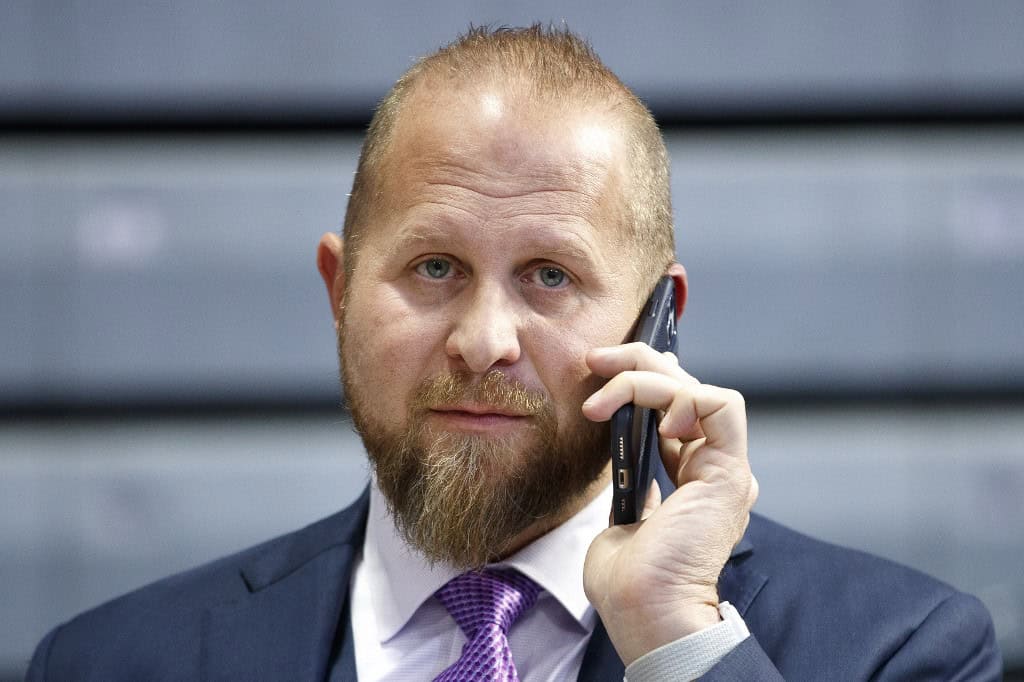
Trump’s former campaign manager, Brad Parscale, provided advice to the campaign of Nasry Asfura, a right-wing presidential candidate in Honduras endorsed by the U.S. president. The New York Times reports, Parscale, who led Trump’s 2020 re-election effort until his replacement four months before the vote, collaborated with consultants on Asfura’s team ahead of the November 30 election. The race remains tight, with Asfura in a close battle against rivals, including Liberal Party candidate Yani Rosenthal and Libre Party’s Xiomara Castro seeking re-election.
Parscale’s involvement came through his digital strategy firm, which focused on data and online tactics for Asfura’s National Party bid. He denied any discussions with Trump about the endorsement or his work in Honduras, stating his role stayed separate from U.S. politics. Still, the connection raises questions about foreign influence in Central American elections, especially given Trump’s recent pardon of former Honduran President Juan Orlando Hernández.
Hernández, also from the National Party, faced conviction in a New York court earlier this year for aiding drug traffickers who moved hundreds of tons of cocaine to the U.S. Trump issued the pardon shortly after taking office, calling it part of his anti-corruption push in the region. Critics see it differently, pointing to Hernández’s past alliances with U.S. interests during his 2014-2022 tenure, including support for migration controls that benefited American border policies.
Asfura, a former Tegucigalpa mayor known as “Papi a la Orden,” campaigned on economic growth and security, pledging to continue National Party priorities like job creation and crime reduction. His platform appealed to conservative voters, mirroring some Trump-era themes on nationalism and business deregulation. Trump’s endorsement, posted on social media weeks before the vote, praised Asfura as a strong leader against “leftist threats” in Latin America.
The election unfolded amid high stakes for Honduras, a nation dealing with poverty, gang violence, and natural disasters. Over 5 million voters turned out, with early results showing Asfura leading narrowly in some counts, though official tallies from the National Electoral Council remain pending amid disputes. Observers from the Organization of American States monitored the process, reporting minor irregularities but no widespread fraud.
For us here in Costa Rica, this development holds regional significance. Honduras sits just north and shifts in its leadership often impact migration flows southward. During Hernández’s rule, thousands fled violence and hardship, straining resources in neighboring countries like ours. If Asfura wins, his pro-business stance could boost trade ties, but ties to pardoned figures might complicate diplomatic relations. Costa Rican officials have watched closely, emphasizing fair elections to maintain stability in Central America.
Parscale’s track record includes building Trump’s 2016 victory through targeted ads and voter data analysis. After leaving the 2020 campaign, he founded firms specializing in similar services for international clients. His Honduras work marks one of several post-Trump ventures, including contracts in other Latin American nations.
As results finalize, attention turns to potential runoffs or challenges. Castro, the incumbent from the left-leaning Libre Party, has claimed irregularities in vote counting, urging supporters to remain vigilant. The outcome could reshape U.S.-Honduran relations under Trump, who has signaled tougher policies on aid and migration.
In San José, analysts note the broader pattern: American political operatives increasingly shape elections abroad, blurring lines between domestic strategies and foreign affairs. This case underscores how personal networks from Washington extend into our backyard, affecting everything from security pacts to economic partnerships.





