

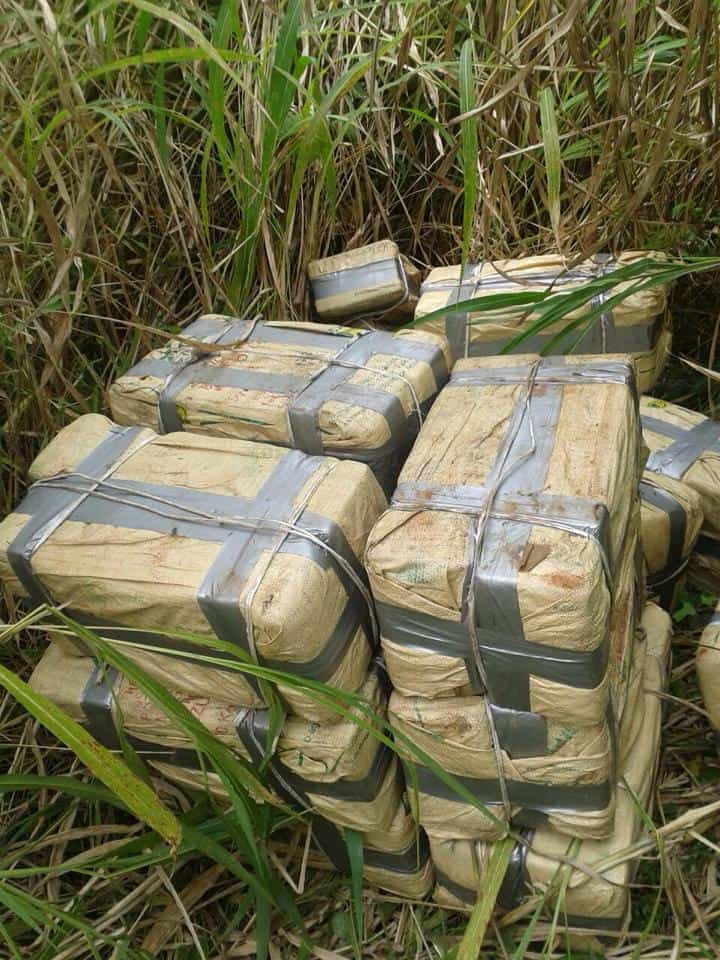
The suspects, arrested last month in a coordinated operation, include Michael Corella Amador, a Public Force officer known by the alias Rojo, along with William Iván Ramírez Arguedas, alias Rambo or Kimba; Gerardo Castro Muñoz, alias Precioso, Muñeco, or Lalo; and Jorge William Cordero Obregón, alias Gordo, Candado, or Pallín. All four hail from Costa Rica’s southern zone, a region long tied to cross-border drug operations.
Investigators from the U.S. Drug Enforcement Administration traced the group’s activities back to at least 2017. The organization transported large shipments of cocaine by sea, air, and land, starting in Colombia and routing through Costa Rica before heading to Mexico and Guatemala for final distribution in the United States. Court documents describe a sophisticated setup that used clandestine airstrips along the Pacific coast and storage sites in areas like Golfito and San Vito in Puntarenas Province.
Ramírez Arguedas held a top leadership position, directing the movement of cocaine loads and managing logistics to supply other trafficking groups in Guatemala. Castro Muñoz oversaw shipments and worked to clean profits from the operations through money laundering efforts. Cordero Obregón handled day-to-day tasks under the direction of the other leaders, while Corella Amador started as a close aide to a prominent trafficker before branching out on his own.
Corella Amador’s path stands out in the case. He joined the Ministry of Public Security in 2007 and the Public Force in 2012, but evidence shows he shifted into criminal work nearly a decade ago. Initially, he verified shipment statuses and supervised logistics for cocaine arriving by boat. Over time, he bought his own loads and resold them to Guatemalan buyers for higher gains. A cooperating witness identified him in photos and confirmed his role in handling multi-ton shipments.
The arrests came on October 18 when agents from Costa Rica’s Judicial Investigation Agency and Drug Control Police, working with the DEA, detained the four men. Authorities seized more than three tons of cocaine linked to the group between 2017 and 2020, often with help from the U.S. Coast Guard during maritime intercepts.
A federal indictment from the U.S. District Court for the Southern District of California charges the men with conspiracy to distribute and import five kilograms or more of cocaine. The offenses violate U.S. drug laws, carrying severe penalties due to the international scope and volume involved.
Costa Rican courts have placed the suspects in preventive detention while processing the extradition. The U.S. has two months to submit full evidence, with a deadline of December 18. This case marks a first for Costa Rica, as Corella Amador becomes the initial active police officer facing extradition on these grounds.
The operation highlights ongoing U.S.-Costa Rican cooperation against transnational crime. Since a May legal reform allowed extraditions of nationals to treaty partners, at least a dozen Costa Ricans have faced similar requests, mostly tied to drug cases.
Officials stress the group’s ties to the “Los Mosca” band, active near the Panama border in Coto Brus. Evidence includes wiretapped communications where suspects discussed cargo details and payments.
As the process unfolds, the case underscores challenges in rooting out corruption within security forces. Corella Amador, born in 1986 in Corredores, Puntarenas, had received U.S.-funded training in border protection, adding layers to his alleged double life.
The extradition hearing will determine if the men stand trial in the United States, where convictions could lead to long prison terms.





