
Members of the European Parliament’s Partido Popular Europeo (EPP) have voiced serious worries about Costa Rica’s increasing position as a key hub for drug shipments heading to Europe. The group’s political assembly passed a resolution this week that highlights the country’s ports as major exit points for cocaine, calling for direct action to stem the flow.
The Partido Popular Europeo, the biggest bloc in the European Parliament, pointed to Puerto Moín as a focal point. They approved a plan to set up a Europol team there to check containers and block narcotics from reaching European shores. This move comes after data showed a spike in cocaine seizures linked to Costa Rican exports.
Juan Carlos Hidalgo, the presidential candidate for the Partido Unidad Social Cristiana, played a central role in bringing the issue to light. He spoke directly to the assembly in Brussels, outlining Costa Rica’s security challenges and pushing for international support. Hidalgo stressed that criminal groups exploit the nation’s infrastructure, turning legitimate trade routes into drug corridors.
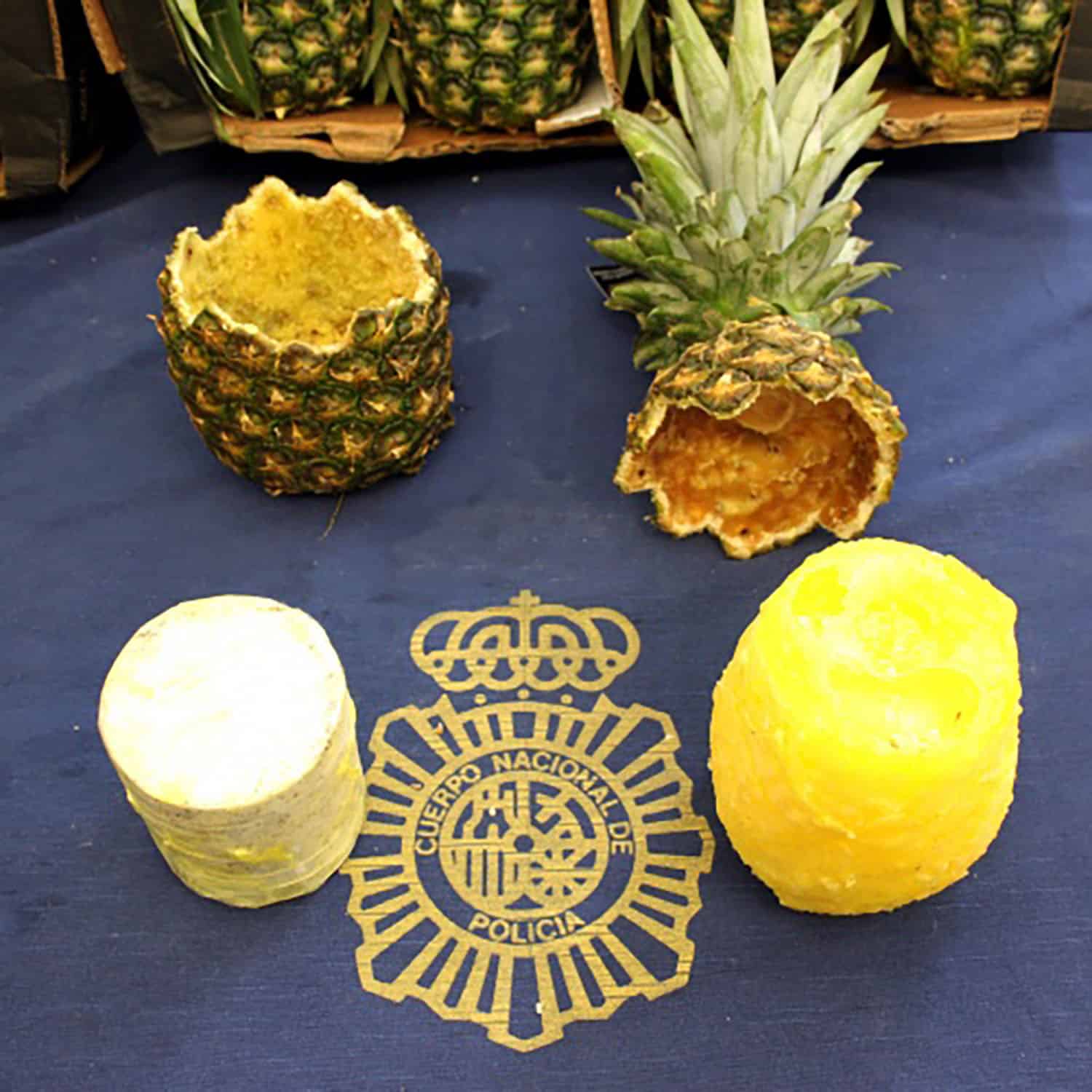
Costa Rica has long served as a bridge between South American producers and global markets. Recent years have seen record hauls of cocaine hidden in fruit shipments and other goods. In 2024, officials here asked the European Union for aid amid rising violence tied to cartel rivalries. Homicides jumped, with many linked to disputes over trafficking territory.
The EPP’s statement notes that Costa Rica’s location makes it ideal for smugglers. Drugs move north from Colombia and Ecuador, then out through Pacific and Caribbean ports. European authorities have traced much of the cocaine entering their continent back to these paths. A joint operation in mid-2025 broke up one such network, seizing tons of drugs en route from Costa Rica to Spain and Portugal.
Local leaders see the EPP’s involvement as a step forward. Hidalgo described it as a chance to cut off funding for organized crime. He argued that without foreign help, Costa Rica struggles to monitor its vast coastlines and busy terminals. The proposed Europol presence would bring scanners, intelligence sharing, and training for port workers.
Government officials have mixed reactions. Some welcome the extra resources, while others worry about sovereignty. President Rodrigo Chaves has ramped up anti-drug efforts, including more patrols and alliances with the United States. Yet critics say these measures fall short against sophisticated operations.
The resolution urges quick talks between Costa Rica and the EU to launch the pilot program. If successful, it could expand to other at-risk areas. For now, it signals Europe’s recognition of the problem and willingness to partner.
Costa Ricans feel the impact daily. Communities near ports report more gang activity, and families mourn victims of the bloodshed. Business owners in agriculture fear tainted reputations from contaminated cargoes. The EPP’s focus brings hope for stronger controls that protect both trade and safety.
As elections near, security tops voter concerns. Hidalgo’s outreach to Europe positions him as proactive on the issue. Other candidates may follow suit, seeking similar ties to tackle the crisis. The assembly’s decision marks a turning point. It ties Costa Rica’s fight against drugs to broader global strategies, aiming to disrupt supply chains at their source.