
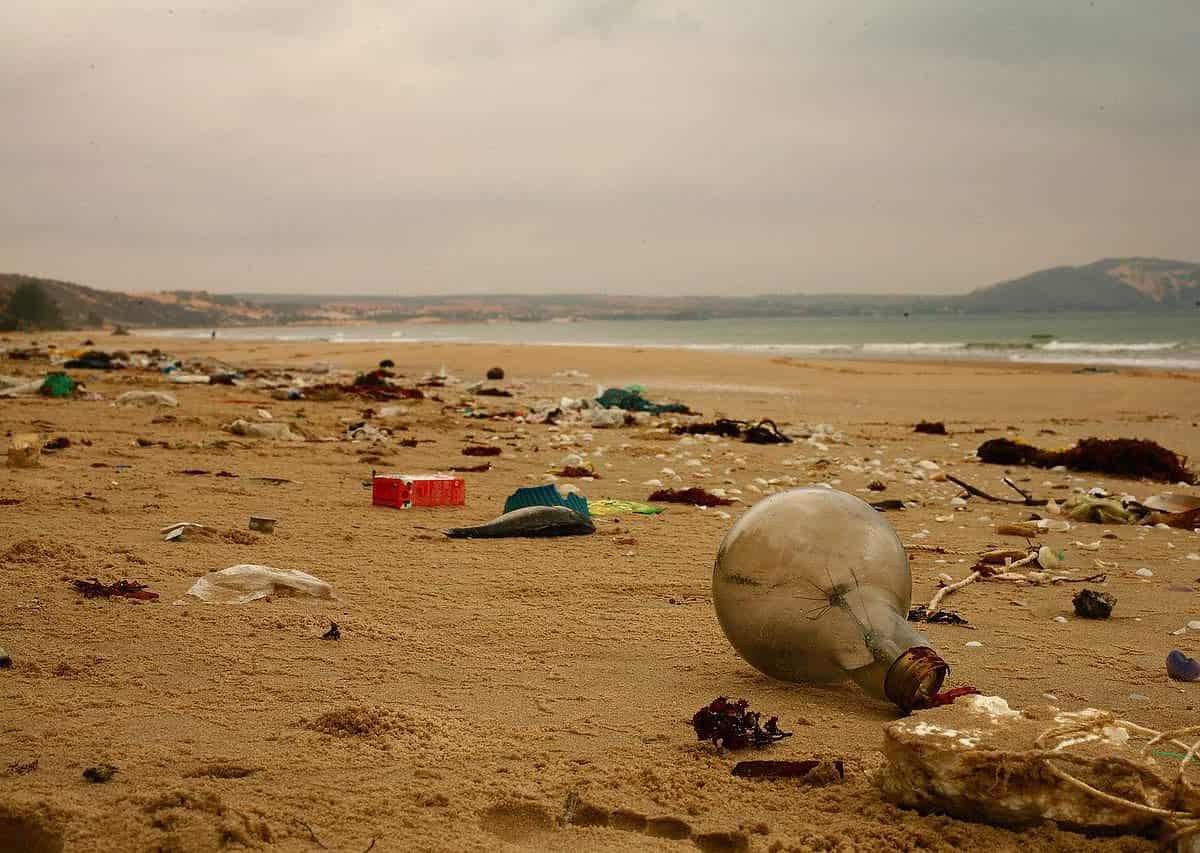
Costa Rica hosted the regional workshop of the GloLitter project from December 6 to 9, which aimed to help countries prevent and reduce marine plastic waste.
The International Cooperation Directorate of the Costa Rican Foreign Ministry supported the development of this project.
GloLitter is a plan designed by the Food and Agriculture Organization of the United Nations (FAO) and the International Maritime Organization (IMO) under the sponsorship of the Norwegian Agency for Development Cooperation (Norad).
It has been implemented in various regions of the world to help countries to reduce marine plastic litter from the maritime transport and fisheries sectors and to identify opportunities for plastic reduction in both industries.
In December 2020, Costa Rica was selected by the International Maritime Organization (IMO) as the lead country to implement this project. Costa Rica was chosen due to its ambitious and innovative public policies and plans to promote economic and social development while protecting the environment.
Participating countries agreed to incorporate the International Convention for the Prevention of Pollution from Ships (MARPOL) and the London Protocol into their legal systems.
Additionally, COCATRAM and OSPESCA were asked to collaborate in providing training to the countries involved.
It was also stipulated that the region should establish an agreement to combat the pollution caused by maritime transportation and activities at sea, such as fishing. Each State participating in the workshop should coordinate the installation of port reception facilities to manage marine plastic garbage and fishing gear properly.
The national institutions in charge of the project are INCOPESCA, MINAE, INCOP, MIDEPLAN, MRREE, Servicio Nacional de Guardacostas/Ministerio Seguridad Publica, MOPT/División marítimo portuaria and JAPDEVA.
Representatives from all Central American countries, Jamaica, and the Dominican Republic participated in the meeting. Costa Rica and Jamaica are the leading partner countries in the GloLitter project in the Central American and Caribbean regions.
The other Central American countries and the Dominican Republic have shown their interest to be part of this regional agreement.
“To promote these changes and face these challenges, it is of utmost importance to have the support of international strategic partners such as the IMO. They contribute to the country’s goal of ensuring a balance between social, economic, and environmental aspects, which are principles established in the Sustainable Development Goals,” concluded the Ministry of Foreign Affairs.