

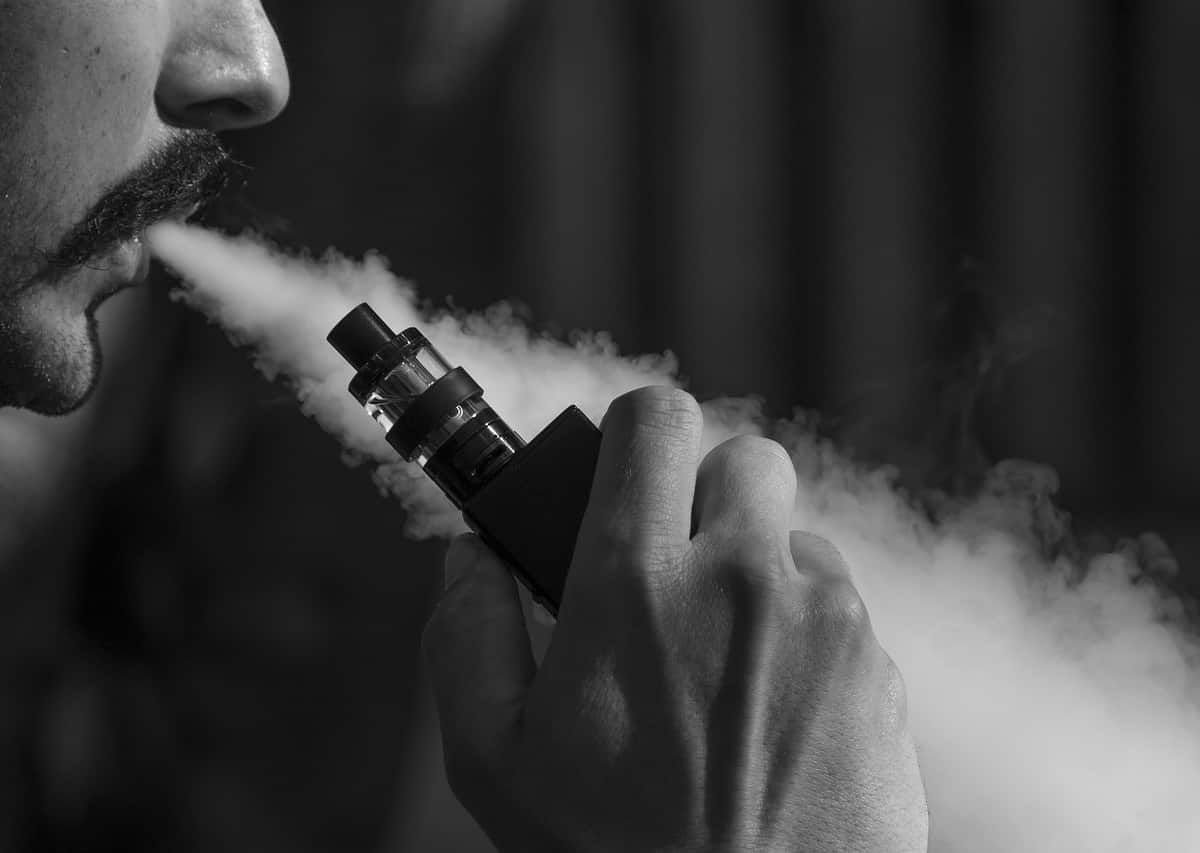
A lawmaker from Costa Rica’s ruling party has introduced a bill to outlaw vapes entirely, targeting their import, sale, and use across the country. Ada Acuña, a deputy with the Partido Progreso Social Democrático, filed the proposal on November 18 under file number 25.309.
The measure aims to prohibit all activities related to electronic nicotine delivery systems, known as vapes, along with similar devices without nicotine and heated tobacco products. This includes banning their distribution, manufacturing, storage, transportation, advertising, and any components like liquids, batteries, cartridges, and accessories.
The bill calls for the Ministry of Health to issue a list of prohibited substances linked to these devices. Acuña argues that the current law, passed in 2021, has failed to curb their spread, especially among young people. She points to cases where minors access vapes through delivery services without age checks, and reports from health authorities show 25 intoxications this year, most involving those aged 10 to 17.
One documented incident in 2023 involved a 16-year-old who spent 29 days in intensive care due to a lung condition tied to vaping. Acuña cites health risks such as burns, chronic lung issues, heart problems, eye damage, and harm to vital organs. She notes that marketing strategies use fruit flavors—over 16,000 varieties exist—and appealing designs to draw in adolescents, making discreet use easier and fostering addiction.
The proposal would repeal Law 10.066, which regulates these products and imposes a 20% tax on their value. Funds from that tax go to the Caja Costarricense de Seguro Social for high-cost drugs treating tobacco-linked illnesses. However, the social security agency has not received any payments under this system in at least a year, prompting a separate push to enforce collections from the Finance Ministry. Acuña has said the tax’s future would need review in consultations with those entities if the bill advances.
Eight Latin American countries—Argentina, Brazil, Mexico, Nicaragua, Panama, Suriname, Uruguay, and Venezuela—have similar outright bans in place. Costa Rica’s approach so far has been partial, with a 2024 restriction on vapes containing synthetic nicotine or cannabinoids. The World Health Organization and Pan American Health Organization have urged stronger controls, though critics say their stance has been mild amid the products’ growth.
The bill stems from Acuña’s work on the legislative social affairs committee, where a prior Health Ministry proposal stalled. This new effort is her own initiative, separate from one the vice president and health minister, Mary Munive, is developing. Since the legislature is in extraordinary sessions, the executive branch must call it up for debate.
Experts have raised concerns about unintended effects. Attorney Larry Hans Arroyo warns that a full ban without strong enforcement could spawn a black market filled with unchecked, potentially more dangerous items. The National Anti-Tobacco Network echoes this, stating that weak customs and police oversight might let organized crime fill the gap with toxic, low-quality goods, worsening risks for youth. Public health specialist Jeancarlo Córdoba from the network adds that the existing law has only been active for under a year in full, calling judgments of its failure too early and advocating for tougher rules instead of abolition.
Supporters maintain the ban prioritizes child and adolescent health over industry interests. If passed, it would align Costa Rica with neighbors like Panama and Nicaragua in a preventive strategy. The measure now awaits further legislative action.





