

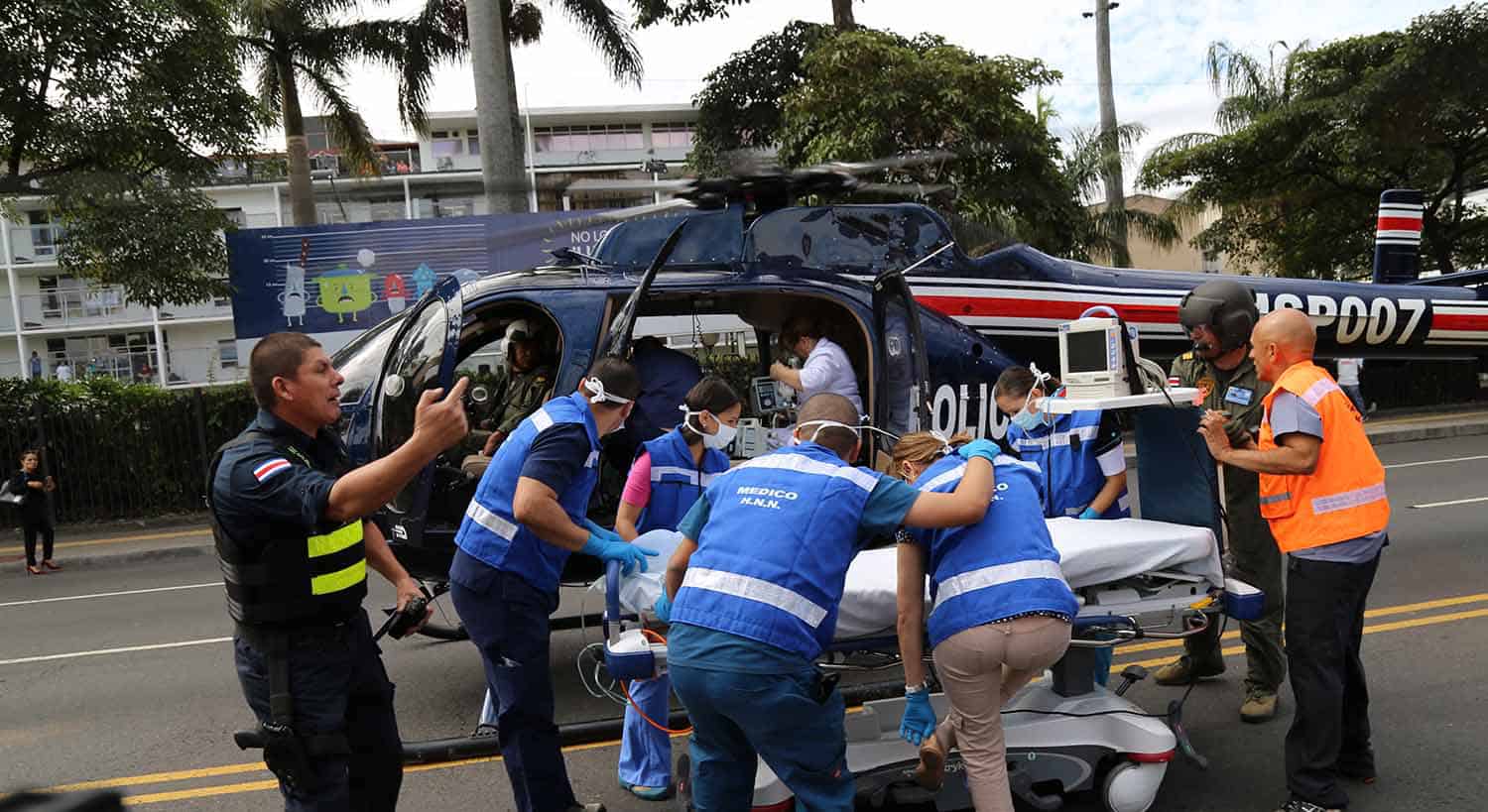
The Costa Rican Social Security Fund (CCSS) has raised concerns over a ban on nighttime flights at the nation’s airfields, which has hindered prompt medical attention for patients needing urgent air evacuations. The restriction, implemented in October 2025, limits operations at uncontrolled aerodromes after dark, including those vital for ambulance services that transport critically ill individuals from remote regions.
Health officials report that the measure directly impacts around 200 to 300 annual air transfers coordinated by the CCSS. These flights often move patients from areas like the Caribbean coast and southern zones to specialized hospitals in the Central Valley. Without nighttime options, ground ambulances become the fallback, extending travel times significantly and potentially worsening outcomes for those in critical conditions.
Pilots and aviation operators have highlighted the risks, noting that many emergencies occur outside daylight hours. One operator alone completed 122 such nighttime missions over an 18-month period before the ban took hold. They argue that the prohibition overlooks the life-saving role these flights play, especially in regions with limited road access or during adverse weather.
A paramedic involved in these operations described the situation as pressing, emphasizing that air evacuations handle only the most severe cases. “Ground transport can add hours to the journey, and in emergencies, every minute counts,” he said. The CCSS echoes this, stating that the ban forces reliance on slower alternatives, straining resources and delaying care.
The Directorate General of Civil Aviation (DGAC) introduced the rule to address safety issues at aerodromes lacking full nighttime infrastructure. It prohibits takeoffs and landings between sunset and sunrise at these sites, with exceptions only for controlled airports. While the DGAC maintains that the policy enhances overall aviation security, critics in the medical and flight sectors contend it creates unnecessary barriers to emergency response.
In recent weeks, the issue has drawn attention from health providers and regional hospitals. Facilities in Limón and Puntarenas, for instance, depend on air links to move patients requiring advanced treatment, such as trauma care or organ transplants. Delays have already prompted some centers to redistribute cases to nearby hospitals, but this approach has limits when specialized equipment is unavailable locally.
The CCSS has called for a review of the directive, suggesting targeted exemptions for medical flights. Discussions between health authorities and aviation regulators continue, with hopes for adjustments that balance safety and patient needs. Until resolved, the ban remains in place, prompting the CCSS to adapt protocols and prepare for increased ground transfers.
This development underscores ongoing challenges in Costa Rica’s healthcare logistics, where geography often dictates response strategies.





