

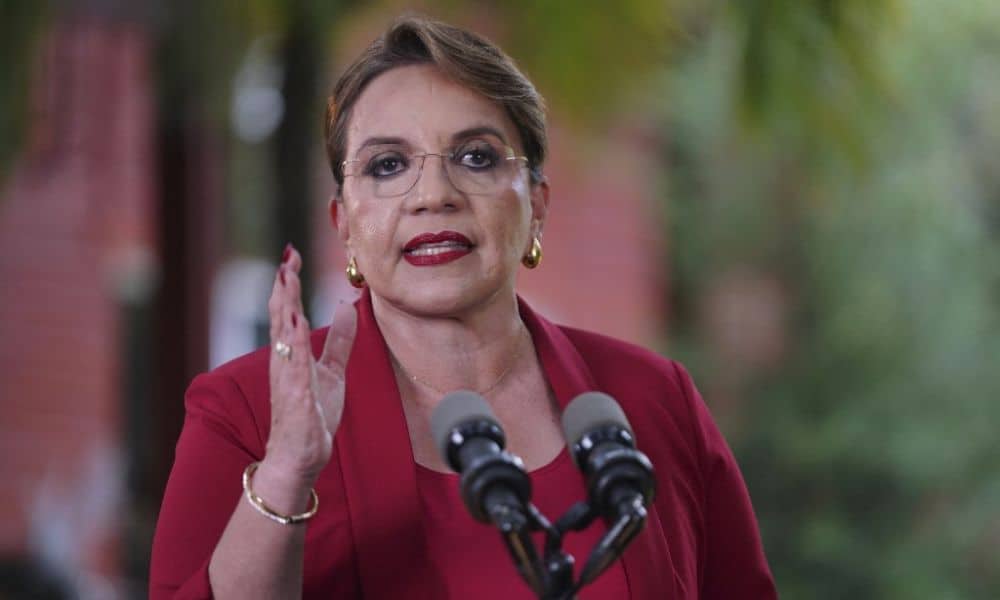
Honduran President Xiomara Castro pulled back the termination of her country’s extradition treaty with the United States on January 10, just ahead of her handover to President-elect Nasry Asfura. Castro made the announcement, stating that she had nullified the diplomatic notes from August 2024 that aimed to end the agreement. She described the move as a reinforcement of Honduras’ stance against drug trafficking, backed by actions during her term.
Under the treaty, her administration extradited 52 Hondurans to the U.S. on drug charges, including former President Juan Orlando Hernández. He received a 45-year sentence in June 2024 after his extradition shortly following his presidency. Castro highlighted a key issue in her statement: the U.S. pardon of Hernández by President Donald Trump in early December. She called it a contradiction that undermines shared efforts against narcotics, which harm societies in both nations.
Hernández and Asfura share party ties, and Trump’s support for Asfura during the election campaign drew attention. The pardon framed Hernández as a victim of political maneuvering by the prior U.S. administration. The original push to terminate the treaty stemmed from U.S. Embassy criticism in Tegucigalpa over a meeting between Honduran military leaders and Venezuelan officials, whom Washington has sanctioned for drug-related activities.
In February of last year, Castro had verbally agreed with the Trump administration to maintain the treaty until her term ended. This latest step formalizes that arrangement. Honduras’ decision holds relevance for Central America, where cross-border cooperation on security matters affects neighboring countries like us here in Costa Rica. Stable extradition pacts help address regional challenges from organized crime.
Asfura, set to take office with U.S. backing, has signaled plans to uphold such international agreements. His priorities include reviewing security measures, including the end of the state of exception Castro implemented. This reversal comes amid ongoing concerns over corruption and violence in Honduras, as noted in recent reports from groups like Human Rights Watch. The country faces judicial hurdles and threats to defenders of land and environment.
Castro’s administration points to extraditions as proof of progress, though critics argue more systemic reforms are needed. The treaty, dating back over a century, has facilitated the transfer of suspects wanted in the U.S., primarily for drug offenses. With the withdrawal now official, attention turns to how Asfura’s government will handle relations with Washington and continue anti-trafficking operations.





