

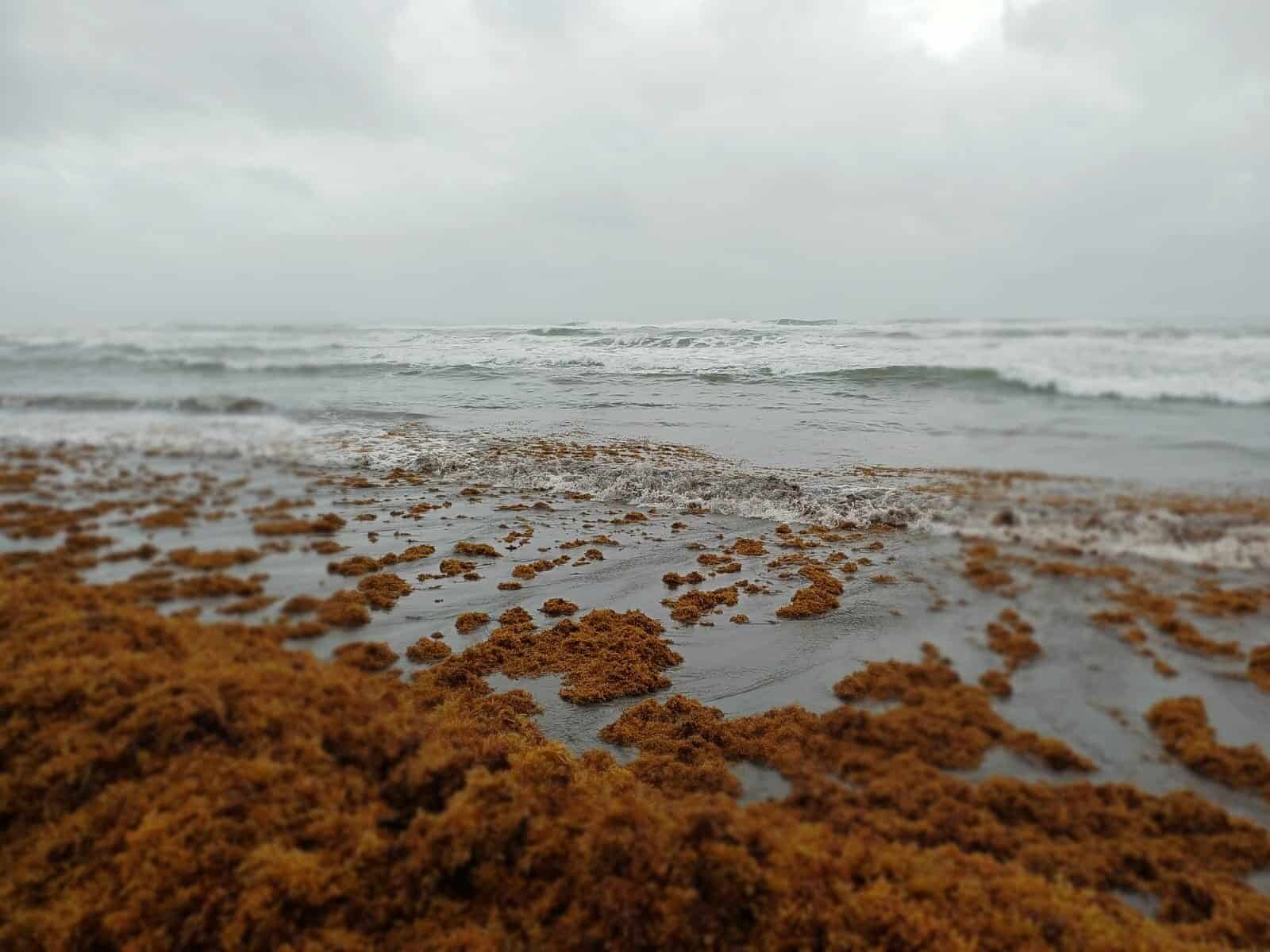
The massive influx of sargassum along Costa Rica’s Caribbean coast has sparked fresh concerns over its effects on local ecosystems, fishing communities, and tourism. Yet researchers at the University of Costa Rica see potential in turning this seaweed into practical resources, from fertilizers to building materials.
Recent reports from the Ministry of Environment and Energy show growing accumulations in the northern Caribbean, especially around Tortuguero National Park. Officials noted the buildup after Tropical Wave No. 15 passed, with sightings from the Nicaragua border down to the park’s shores. Sargassum, a floating brown algae with air bladders that keep it afloat, forms vast belts in the Atlantic. These masses have hit the region harder since 2011, though smaller arrivals date back decades.
Cindy Fernández, a marine biologist with the Center for Research in Marine Sciences and Limnology at the University of Costa Rica, leads an interdisciplinary team studying the issue. They focus on legal rules first—who handles collection, who can repurpose it, and how. “The first thing we are doing is analyzing the legal framework surrounding sargassum, that is, who is responsible for collecting it, who can use it, and under what conditions,” Fernández said.
The group includes biologists, oceanographers, and legal experts. Their work aims to map out the algae’s patterns while finding ways to use it without harm. Sargassum carries nutrients from the sea, making it suitable for crop fertilizers. But it also picks up heavy metals, so treatments come first to avoid risks. “The problem is that sargassum can accumulate heavy metals while absorbing nutrients from the ocean. That’s why it must undergo appropriate treatment before being used in composting or fertilizers,” Fernández explained.
In other Caribbean nations, people already turn sargassum into paper, bioplastics, and even mix it into blocks for construction or crafts. Costa Rica’s arrivals happen in bursts, unlike the steady flows in Mexico or the Dominican Republic, which makes large-scale processing tricky.
Still, partnerships between universities, businesses, and coastal groups could change that. Fernández stressed the need for joint efforts: “It is very important the collaboration between academia, private companies, and communities. That joint work could allow Costa Rica to take advantage of this resource when these events occur.”
The algae plays a key role at sea, offering shelter and food for fish, turtles, and other marine life. But piles on beaches block sunlight to corals and seagrasses, disrupt fishing nets, and release gases that irritate breathing. Tourism suffers too, as fouled shores deter visitors in areas like Puerto Viejo and Manzanillo. Fishermen in the southern Caribbean have called it a direct threat to their livelihoods and the area’s biodiversity.
Monitoring started in 2019 through the Tortuguero Conservation Area, working with the National University and regional networks. Since 2023, surveys for marine mammals track the algae’s spread, influenced by winds and currents. No removals happen in protected zones yet; the material often dries or washes back out naturally. But data from these efforts will guide future steps, including sustainable options.
Experts link the surges to excess nutrients in the ocean from pollution and runoff. Fernández called it a sign of imbalance: “What we are seeing is an environmental imbalance. The sargassum is not the problem; it is rather a symptom that the ocean is receiving too many nutrients from contamination, fertilizers, and other inputs.”
As accumulations rise this year, the push for research grows. Turning sargassum from a nuisance into a tool could ease pressures on Costa Rica’s coasts and boost local economies. For now, teams keep watch, ready to act on what they learn.





