

LeoLabs has chosen Costa Rica as the location of its next space radar, the United States-based company announced this week in a press release.
LeoLabs’s radar network tracks satellites and debris, helping to protect satellites when they’re in low Earth orbit.
“We welcome LeoLabs to Costa Rica,” President Carlos Alvarado said in a statement. “The vision of a LeoLabs space radar in Costa Rica takes our national tradition of environmental responsibility and extends it to space, offering our nation a way to contribute to preserving the LEO (low Earth orbit) ecosystem for generations to come.
“In addition, this investment builds on an existing set of space achievements by Costa Rica, in human space flight as well as in satellites, and opens up opportunities for our nation in the growing new space sector.”
LeoLabs said it chose Costa Rica in part because of the close relationship between co-founder Edward Lu and Tico astronaut Franklin Chang Díaz, President and CEO of the Ad Astra Rocket Company.
“From our mutual experience in space, Dr. Lu and I were both excited about the opportunity to address the threat to human spaceflight posed by space debris,” Dr. Chang Diaz said. “The project in Costa Rica offered us the chance to increase safety of flight in space and enable responsible stewardship to drive our mission of preserving critical ecosystems.”
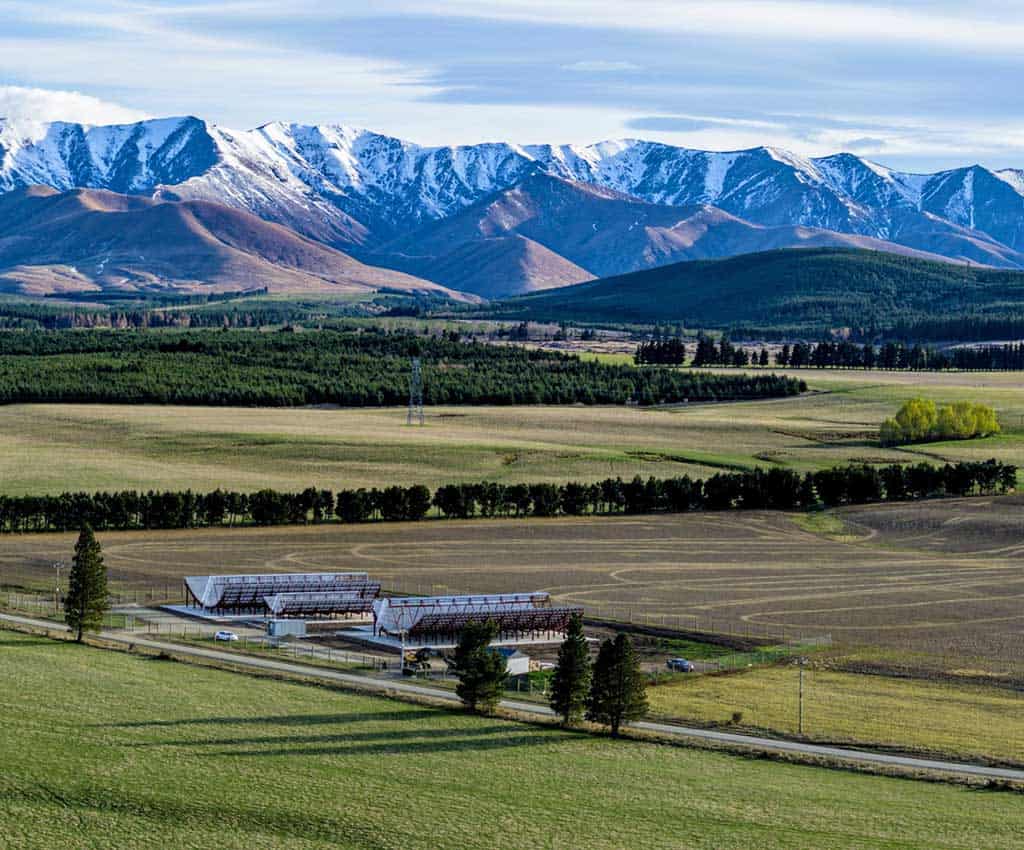
Though LeoLabs didn’t provide a timetable for its Costa Rica project, it says it can build a new radar in less than a year. Its current network includes installations in Alaska, Texas and New Zealand.
The latter, which began operations in 2019, can track debris as small as 2 cm, according to the company.
Despite its size, Costa Rica has an unusually high number of space research achievements and leaders to its name.
Most notably, Chang Díaz participated in seven Space Shuttle missions and has continued pioneering projects through Ad Astra. More recently, the first Central American satellite – designed and built in Costa Rica – was launched into space and into history.





