

See also: Costa Rica is for lovers – the affectionate language of daily life
It’s Labor Day in the United States, the long weekend that marks the return to school and, in many ways, the end of summer. While we’re hard at work here in Costa Rica, it seems like a good day to revisit a common question for many folks learning not only Spanish, but also costarriqueñismos: where the heck does the word brete, slang for “work,” come from?
Years ago, I wondered aloud in a column about the origin of the word tuanis (that classic costarriqueñismo, or so I thought, meaning good, cool, great). I’d been told over the years that it came from visiting gringos saying “too nice,” but that never made sense to me since that’s not a phrase that tends to roll off our lips. Fortunately, a kindly reader’s Facebook comment led me to a highly rigorous Google search, finally yielding the information that the Costa Rican tendency to switch the syllables of its words (primo becomes mopri, fiesta becomes tafies) has its roots in Nicaraguan malespín.
This is a specific type of slang apparently based on a code created by Salvadoran General Francisco Malespín, whose military exploits took him around the region (including to Nicaragua, where he sacked León) and who also served as president of El Salvador in the 1840s. In his code, the syllables of words are rearranged and vowels are switched around: “a” for “e,” “i” for “o,” “b” for “t,” “f” for “g” and “p” for “m,” and vice versa. At any rate, try this for the word bueno – “b” becomes “t,” “e” becomes “a,” “o” becomes “i.” What does that spell? Yup, tuani, which became tuanis during its southward migration to Costa Rica. It seems that this emblematic Tico word has a fascinating Central American tale to tell.
Turns out brete is another classic malespín-ismo. Take the word trabajo (work), switch the syllables around and switch each “a” for an “e,” the “o” for an “i.” You get breteji, eventually shortened to brete, the slang for work that has become one of my favorite words during my years in Costa Rica.
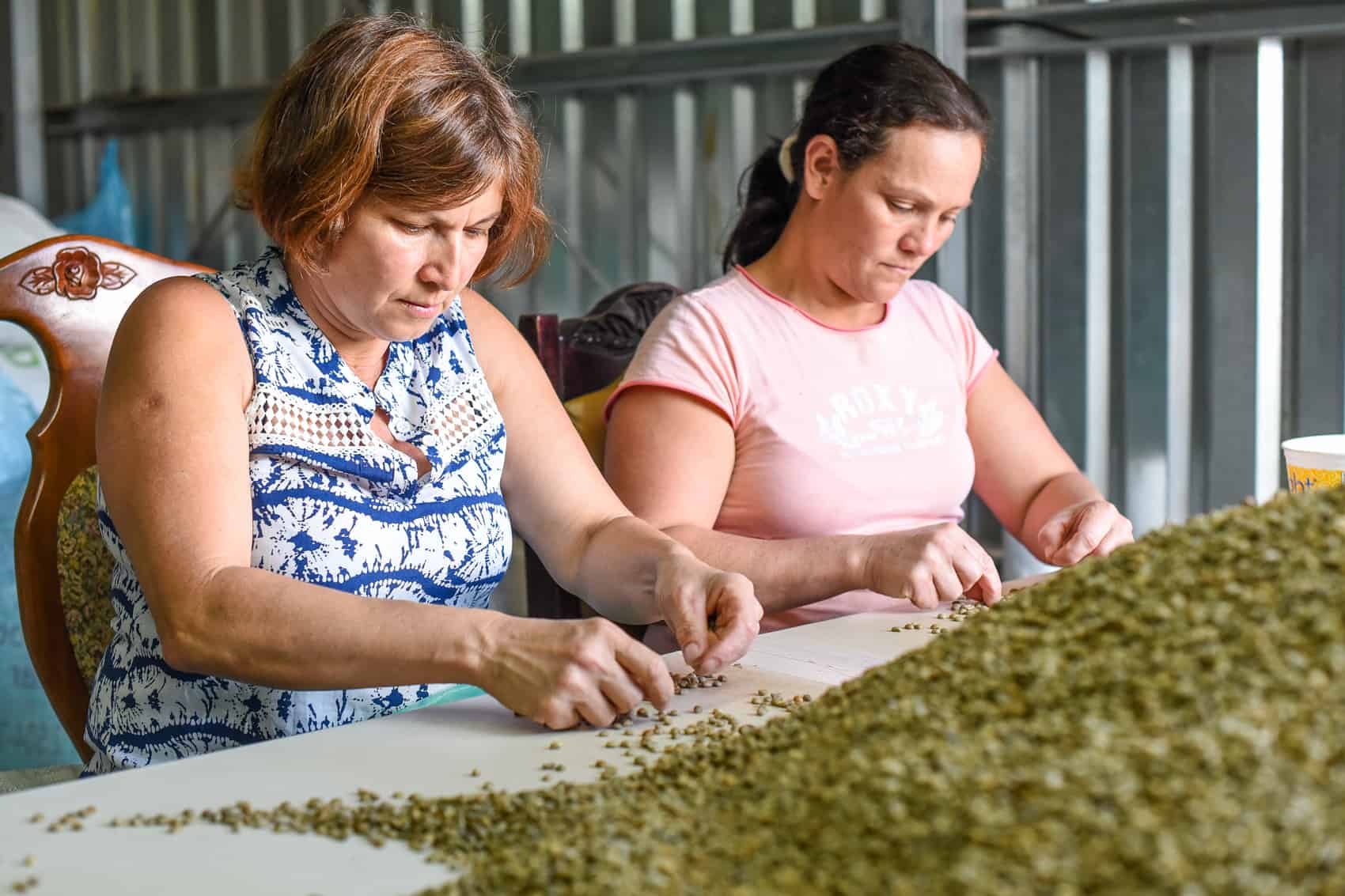
I love its Spanglish-tastic variant, breteanding, and there’s something uniquely satisfying about breteada, a huge mountain of work, as in “Vieras que breteada me pegué anoche.” Just saying it makes you breathe out a little knot of tension: bre-te-AHHH-da.
So this Labor Day, here’s to brete, its mysterious origins and its value in our lives. Because as they say in Costa Rica, good or bad, frustrating or fulfilling: brete es brete, after all.
Read previous Maeology columns here.
Katherine Stanley Obando is the editor of The Tico Times and the author of “Love in Translation: Letters to My Costa Rican Daughter,” a book of essays about motherhood, Costa Rica’s unique street slang, bicultural parenting, and the ups and downs of living abroad. She lives in San José. For more from Katherine about Costa Rican life and culture, follow her on Facebook or Twitter, or subscribe to the Love in Translation blog.





