

Buying a vacation home in Costa Rica is part dream and part due diligence. The dream is picturing where you’ll spend your holidays for the next 10 or 20 years; the due diligence is making sure the place actually works as a second home — and, if you want it to, as a rental. This guide covers both: the features worth looking for, and the practical questions to ask before you sign.
Start with location, because everything else follows from it. Costa Rica packs beaches, mountains, jungle and city living into a small country, and each comes with trade-offs in climate, wildlife, bugs and how close you’ll be to other people. If you want a central base for national parks and both coasts, the Central Valley puts Arenal, Monteverde, and Caribbean and Pacific beaches all within reach. If you want to wake up to the ocean, you’re looking coastal. Visit your shortlisted areas more than once, in different seasons, before you commit. For a fuller walkthrough of the purchase itself, see our complete guide to buying property in Costa Rica.
Features to look for in a vacation home
Make a wish list and rank what actually matters to you. The common ones fall into a few groups:
Setting and views. Do you want to be on the beach or just walk to it? Note that most beachfront in Costa Rica isn’t titled — it sits in the Maritime Zone and is held as a concession, so hire an attorney who specializes in beach property before buying near the water. Beach views and ocean views are possible on titled land further back, but keep in mind the ocean turns into a black void at night unless you also overlook a marina or peninsula. For many buyers a nature view — monkeys, sloths and birds from the balcony — beats an ocean one, and some spots offer both.
Surroundings and activities. Costa Rica has more than two dozen national parks and protects about a quarter of its territory, so proximity to a park is a real draw for nature lovers. Birdwatching and butterflies vary by region; so does fishing, whether you want marlin charters or a river for fly fishing, and whether you can park your own boat nearby. Scuba and snorkeling are excellent in some coastal areas and poor in others, so check the specific spot. Golf and tennis are less common amenities and tend to cluster in particular areas — shop around if either is a must.
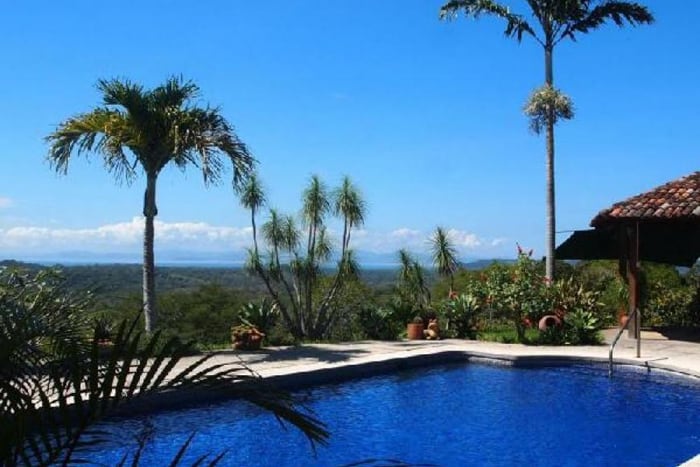
The home itself. A pool tops most lists, whether a small plunge pool or a lap or infinity pool. Air conditioning is worth checking specifically: it’s not standard in Costa Rican homes, many of which rely on ceiling fans and shuttered windows. Reliable Wi-Fi and cable also can’t be assumed — coverage has gaps, so if you’re told a house has internet, test it yourself. Other features to weigh: a Jacuzzi, a gym (in the condo or nearby), guest and ATV parking (condo parking is often tight), and a playground if kids or grandkids will visit.
Rules and security. If you’ll bring a pet, check the condo or HOA bylaws and your airline’s pet rules before buying. And because a vacation home sits empty much of the year, security matters: decide whether you want a caretaker (which means budgeting for a salary, social security and insurance, and possibly a caretaker’s quarters), the simplicity of a condo where the HOA handles it, or a property you can safely lock and leave.
Questions to ask before you buy
Once a property checks your feature boxes, work through the practical side.
Can you afford the whole cost, not just the price? Beyond the purchase, budget for annual property tax, HOA fees, corporation tax if you hold it in a company, luxury home tax if it applies, home insurance, property management and ongoing maintenance. A cash offer can give you negotiating room, but on a property that earns well as a rental, the seller may not be motivated to discount.
Do you need financing? This has changed in recent years. Residents have the easiest path to a local mortgage. Non-residents can now borrow too, though with stricter terms — a handful of private Costa Rican banks (such as BAC San José, Lafise and BCT) lend to foreigners, and U.S.-based international lenders now offer 30-year fixed-rate mortgages to American citizens and permanent residents, often with 25 to 30 percent down.
Local banks typically want 30 to 50 percent down and charge roughly 6 to 10 percent interest depending on currency and profile; private “hard money” lenders run higher, around 10 to 18 percent. Other routes include owner financing (common in areas like Tamarindo and Nosara), a home-equity loan against your property back home, or, for a strictly rental property, a self-directed IRA or 401(k).
How will you keep it secure? Covered above as a feature, but worth confirming concretely: what security exists when you’re away, and how it works if you rent the place to others.
Are there restrictive rules? Get the CC&Rs (covenants, conditions and restrictions) or condo bylaws before you sign. They can quietly bar the things you bought the place for — pets, balcony barbecues, short-term rentals, even how many guests you can host.
Do you plan to rent it out? If rental income matters, buy where there’s genuine vacation-rental demand. Before deciding, show the property to a couple of local property managers and ask plainly: would it rent well, for how much, and what would it take to make it competitive? Keep in mind that short-term rentals now carry registration and tax obligations in Costa Rica — factor that in [LINK: renting in Costa Rica].
Do you need a property manager? If you’ll rent it or simply won’t be around, a good local manager handles marketing, bookings, bill paying, maintenance, gardening and the powers of attorney involved — and can tell you realistically what the home will earn.
What are the tax implications? Confirm the property tax, and whether corporation tax or luxury home tax apply, with your attorney or manager. Then talk to your accountant back home about how foreign property and any rental income affect your taxes there.
What kind of legal help do you need? You’ll need an attorney who is also a notary to close. Choose one who is fully bilingual, specializes in real estate, and uses a SUGEF-registered escrow account or a registered trust company. If you finance through a lender, they’ll often require their own closing attorney.
Get the features right and the questions answered, and a vacation home in Costa Rica becomes exactly what you pictured — minus the surprises.





