

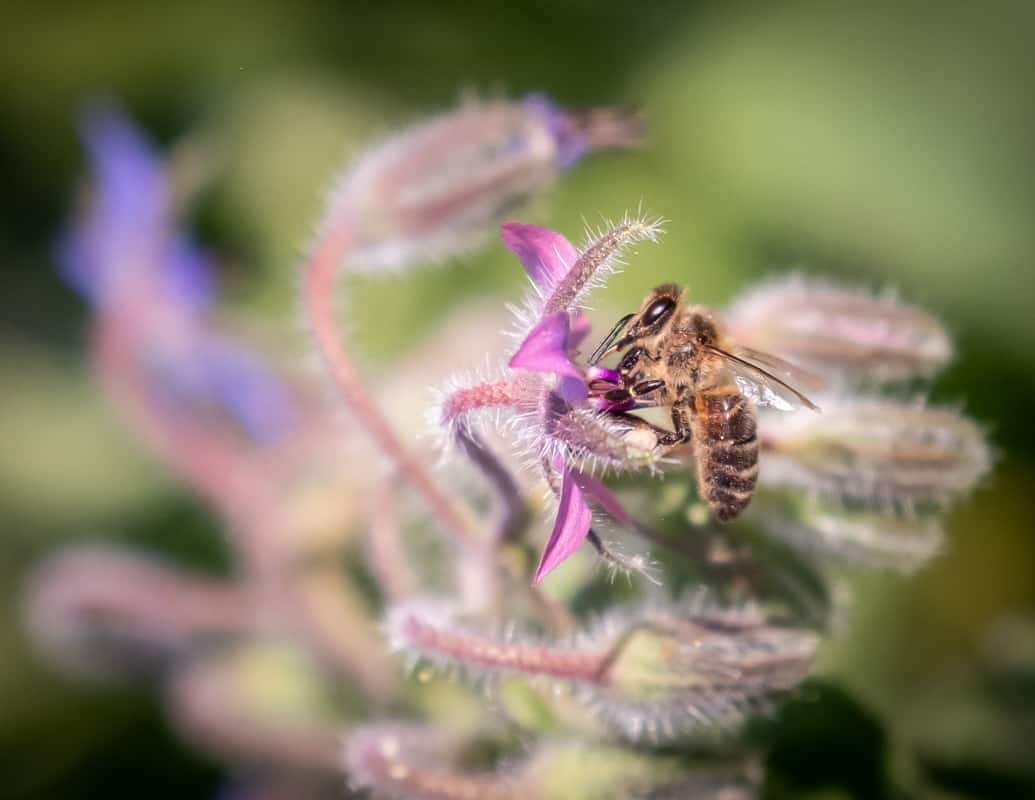
Bees have long been at risk of extinction, posing a grave threat to global food production, which relies on them for pollination of approximately 75% of foodstuffs worldwide. Some analyses suggest that if bees were to vanish, life on Earth could be sustained for a mere five years longer.
Recognizing the critical need to protect these vital insects and the benefits they bring to both flora and humanity, the Interdisciplinary Experimental Farm of Agroecological Models (Feima) at the Atlantic Campus of the University of Costa Rica (UCR), situated in Turrialba, has launched the Social Action Project: Establishment of Meliponariums.
Meliponariums are structures constructed of wooden boxes where bees, specifically meliponas, build their hives. Notably, these boxes are crafted from entirely natural materials without any added chemicals and can be made from various types of wood readily available in the country, making their production straightforward.
The primary goal of this initiative is twofold: to demonstrate that agricultural and human activities need not be detrimental to bees and to educate various stakeholders, including farm owners and institutions, about the management and vital contributions of these structures to bee preservation and environmental health.
The bees housed at the Atlantic Campus are unique in that they belong to the meliponas species, which lack stingers and thus pose no threat to humans. While they typically produce minimal honey, they are exceptionally adept at generating propolis, a resin used by bees in nest construction. Notably, propolis possesses potent antibiotic and antiviral properties, making it a valuable resource in natural medicine for combating viruses, bacteria, and fungi.
Dennis Barquero Bejarano, a researcher at the Atlantic Campus and agronomy instructor, elucidated the distinctive traits of meliponas and underscored the importance of preserving their habitat for their continued survival.
The presence of bees hovering over crops heralds two pieces of good news: firstly, agricultural production benefits from their pollination, and secondly, it signifies the adoption of sound farming practices conducive to bee preservation.
The meliponariums at the Atlantic Campus serve as indicators of environmentally friendly cultivation practices, particularly concerning meliponas. Professor Barquero highlighted practices such as abstaining from burning or using agrochemicals on weeds, as bees play a vital role in pollinating these plants.
These spaces serve as valuable learning environments for students to acquire knowledge about sustainable agricultural practices.
The impact of meliponariums extends beyond university grounds, reaching agricultural farms, environmental institutions, and local communities in Turrialba. Through outreach efforts such as workshops and the dissemination of agricultural best practices manuals, knowledge about bee conservation and sustainable farming techniques is shared and promoted in the region.





