

The Ministry of Public Education (MEP) has rolled out new guidelines that will reshape how students present themselves in public schools across Costa Rica starting in the 2026 school year. These rules target personal expression through bans on tattoos, makeup, and certain accessories, sparking discussions among families, educators, and legal specialists.
The changes aim to create a consistent environment in all public educational centers, from preschool through high school. Officials state the regulations foster order and respect while teaching students about societal norms and personal accountability. Each school must revise its internal policies to align with these national standards by February 2026.
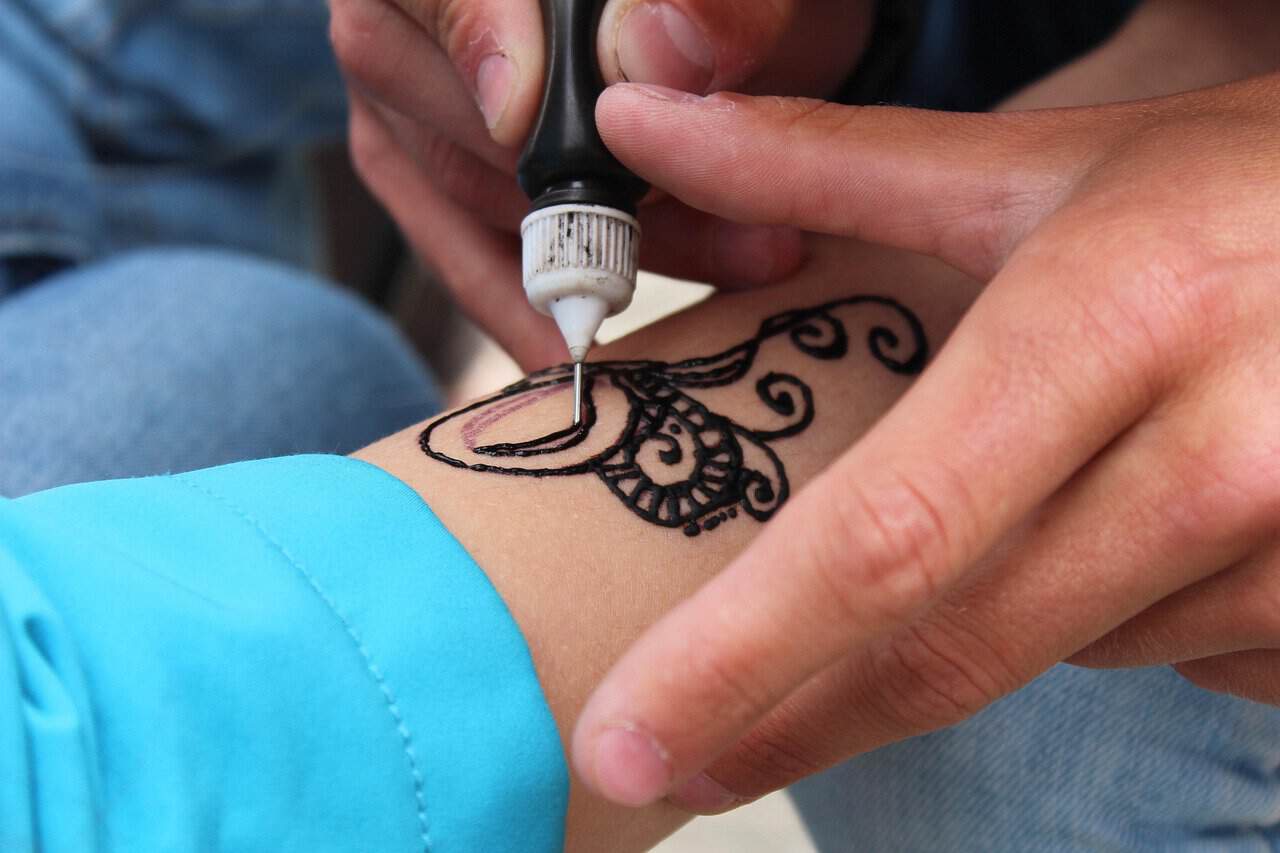
Under the new rules, students cannot have permanent or temporary tattoos on any part of their body. If a minor arrives with a tattoo, school staff will notify the National Children’s Trust (PANI) for follow-up. For students who already have tattoos, parents or guardians must inform the school administration in advance. Exceptions apply only for medical needs, cultural practices—such as those among indigenous groups—or technical programs where body art relates to coursework.
Makeup faces a complete prohibition during school hours. This covers nail polish, lipstick, blush, eye shadow, eyebrow products, and eyelash enhancements. The MEP specifically bars false eyelashes and acrylic nails, requiring students to keep natural nails trimmed to no more than three millimeters long. Officials note these measures address health and hygiene concerns in daily school activities.
Hair regulations extend to both genders. Students cannot dye their hair in unnatural colors, and for male students, mustaches or beards must remain trimmed without obscuring the face excessively. The guidelines permit exceptions during cultural events, festivals, or specialized classes like beauty and styling.
Accessories receive similar scrutiny. Students may wear only one small earring or stud per earlobe. Items like bracelets, chains, rings, ribbons, facial stickers, beads, piercings, expanders, transdermal implants, or micro dermal implants are not allowed. The rules exempt adult learners in youth and adult education programs, who face no such restrictions.
MEP representatives explain that these policies serve a clear educational goal. “Regulating appearance helps students learn that every society has rules, and freedom comes with responsibility and respect,” the ministry said in its official release. The focus remains on building a sense of community and discipline without stifling essential cultural or health-related expressions.
The rollout follows earlier MEP efforts to minimize distractions in classrooms. This year, the ministry proposed banning cell phones to boost student focus on lessons and interactions. Now, with appearance rules added, the combined approach signals a broader push for structured learning spaces.
Not everyone agrees with the shift. Legal experts point out potential clashes with individual rights, including freedom of expression protected under Costa Rican law. Psychologists advise against overly rigid enforcement, suggesting schools find middle ground through dialogue and shared agreements rather than strict mandates.
Many parents voice opposition, arguing that elements like makeup, piercings, tattoos, or colored hair do not hinder academic performance. “These things are part of growing up and don’t affect how kids learn,” one parent shared in online discussions following the announcement.
Educators anticipate challenges in enforcement, especially in diverse communities where cultural traditions vary. Regional directorates will offer training workshops to help schools adapt the guidelines fairly. While the rules unify standards nationwide, local centers can address unique needs within the framework.
As the 2026 term approaches, the MEP encourages open communication between families and schools to smooth the transition. The ministry plans to monitor compliance and adjust as needed based on feedback from the education community.





