

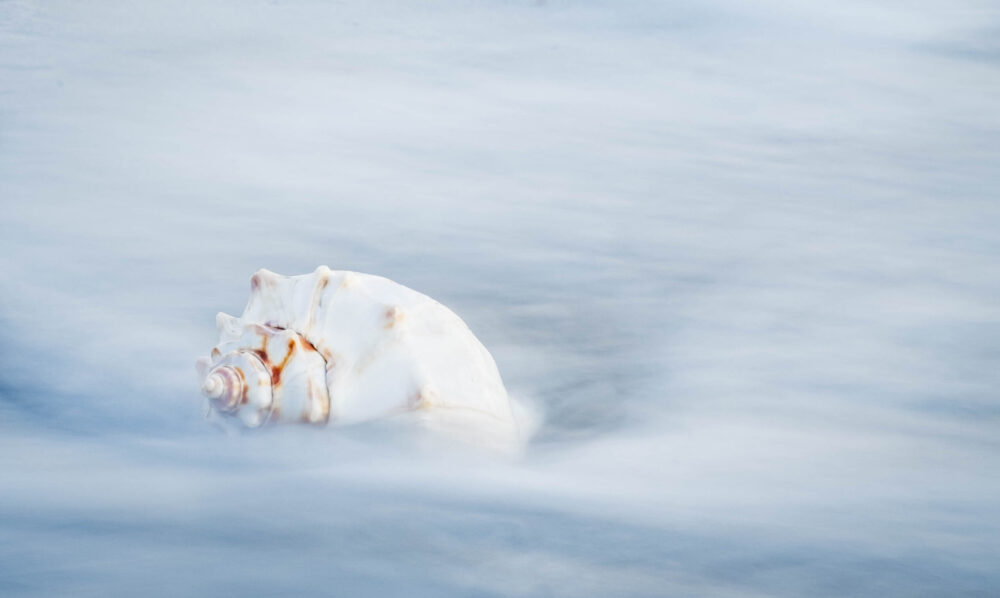
Authorities from the Ministry of Environment and Energy (MINAE) and the National System of Conservation Areas (SINAC) have renewed their plea for residents and tourists to halt the collection of seashells from the country’s beaches. This practice, often seen as harmless, breaks wildlife laws and harms marine environments.
Officials point out that removing shells counts as illegal wildlife trafficking. It disrupts habitats where crabs, fish, algae, sea urchins, and birds rely on them for shelter and breeding. Shells also hold sand in place, curb erosion, and balance seabed pH levels. Without them, recovery takes years, and ecosystems suffer lasting damage.
Recent enforcement shows the problem’s scale. In under a year, airports seized 3,448 kilograms of shells. At the Liberia Airport in Guanacaste, staff confiscated over 1,648 kilograms from October 2024 to June 2025. At the San Jose Airport in Alajuela, teams collected 1,800 kilograms between August 2024 and March 2025. These efforts aim to return shells to the ocean when possible.
This follows a pattern. In 2023, confiscations topped five tons at the same airports. Campaigns like “Leave the Nature, Take Only the Memory” have run since 2020 to educate visitors. A new app now helps identify shell origins for proper return, with over 450 kilograms reintegrated so far.
MINAE notes that stricter checks at airports and coasts respond to rising incidents. The Wildlife Conservation Law treats unauthorized removal, sale, or transport as a crime. Penalties apply to anyone involved.
Experts highlight broader effects. Shell extraction weakens coral growth and leaves species without homes. In Costa Rica, home to rich biodiversity, such actions threaten coastal stability amid climate pressures.
Authorities encourage reports of suspicious activity. Call 1192, use the SITADA website, or visit SINAC offices. They stress shared responsibility in guarding natural resources. This call comes as tourism rebounds. Beaches draw millions yearly, but small acts add up. Officials hope awareness shifts habits, preserving sites for future generations.
Conservation groups back the message. One initiative targets tourists to prevent shell removal, noting it alters food chains and beach structures. Data from seizures underline urgency. Volunteers and staff sort materials, aiming to restore what they can. Yet prevention remains key.
Costa Rica protects 30 percent of its marine areas, leading in ocean care. Leaders push global action, including limits on deep-sea mining, to tackle wider threats. For locals and visitors, the rule is simple: admire shells in place. Photos capture memories without harm.
Officials plan ongoing education and patrols. They aim to cut seizures through better understanding. As beaches fill this season, the message spreads: protect what makes Costa Rica special.





