

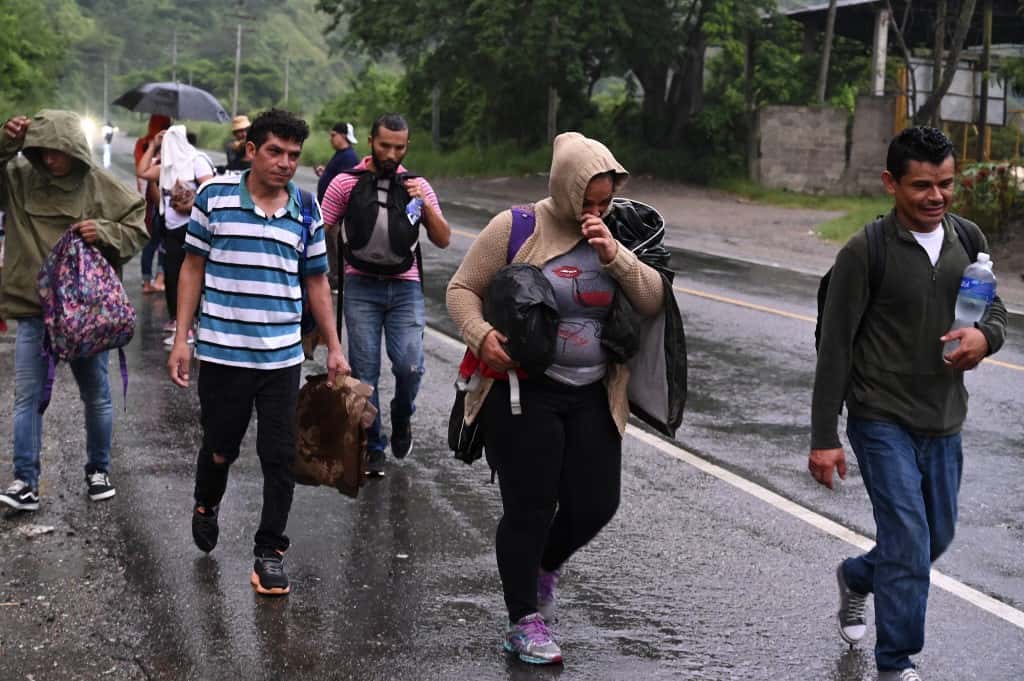
A record number of 248,061 migrants have passed through Honduras so far this year on their way to the United States, according to a new report from the Honduran National Commission for Human Rights (CONADEH). This massive flow of migrants is now putting pressure on Costa Rica as more and more people cross the border seeking refuge.
The number of migrants crossing Honduras in 2023 has already exceeded last year’s total of 188,000, with over 5,000 people now passing through Honduras every day according to CONADEH spokesperson Julio Velásquez. The majority of these migrants are Venezuelans, with almost 100,000 recorded so far, but people from Africa, Asia, South America, and the Caribbean are also making the journey.
Honduras acts as a critical transit country for migrants leaving South America and heading north to Mexico and the US southern border. After crossing into Guatemala, many now continue on through Costa Rica, where migrant arrivals have surged this year.
The Costa Rican government is struggling to balance humanitarian assistance for migrants while securing borders and upholding immigration laws. Officials expressed concerns about migrants entering illegally and the resources required to process asylum claims.
“This migration crisis taxes our government services and local communities that provide aid. We must find long-term solutions that address why so many people are fleeing their homelands in the first place,” said Tomas Alvarez, Director of Immigration Affairs.
Experts point to increased violence, poverty, political instability, and climate change in Central and South America as drivers of mass migration. Until these root causes are addressed, migration flows towards the US are expected to continue rising in the coming years.
Costa Rica reaffirms its commitment to human rights for all migrants, but also calls for increased international cooperation to handle this growing humanitarian challenge.





