

The Costa Rica Tourism Board (ICT) on Thursday presented the steps it’s taking to reactivate the sector in context of the coronavirus pandemic.
Tourism is “one of the main engines of the country’s economy,” ICT says, comprising an estimated 8.2% of Costa Rica’s gross domestic product (GDP) and creating 9% of its jobs in 2019.
As Costa Rica seeks a balance between economic reactivation and preserving its healthcare system, here are the steps the ICT says it’s pursuing to promote tourism:
****
Security measures in context of COVID-19
- Health protocols: Twenty-eight ICT officials and 39 representatives from the private sector published a series of health protocols for the safe reopening of most tourism-related activities.
- Training: The ICT CAPACITA platform trains the Costa Rican tourism sector in the implementation of these protocols.
- Safe Travels Seal: Costa Rica obtained the Safe Travels seal from the World Travel and Tourism Council (WTTC) due to the tourism sector’s protocols.
Promoting domestic and international tourism
- Vamos a Turistear: The launch on July 23 of the “Vamos a Turistear” campaign with special offers for Costa Rican citizens and residents.
- International promotion of Costa Rica: While international campaigns weren’t suspended during COVID-19, promotion of Costa Rica has intensified, particularly in the face of the high season and reopening air borders. Promotion highlights Costa Rica as a sustainable tourist destination and a place to escape crowds.
- U.S. travel notice: Through diplomatic efforts with the Foreign Ministry, worked with the United States government to lift the Level 4 (“Do Not Travel”) advisory that had been applied to Costa Rica.
Reopening of national tourism activities
- Tourist accommodation: As of August 31, all accommodation establishments can operate at 100% capacity (except in common areas where the capacity must be kept at 50%).
- Vehicle restriction: As of October 17, all vehicles can circulate Saturdays and Sundays from 5 a.m. at 9 p.m. This is key to incentivize tours and day trips, and to reactivate the restaurant sector.
- Tourist transport: Rental vehicles (rent-a-car) and tourist transport vehicles are exempt from the vehicular restrictions.
- Beaches: Since October 15, all beaches can be visited from Monday to Friday from 5 a.m. at 10 p.m. and Saturdays and Sundays from 5 a.m. at 9 p.m.
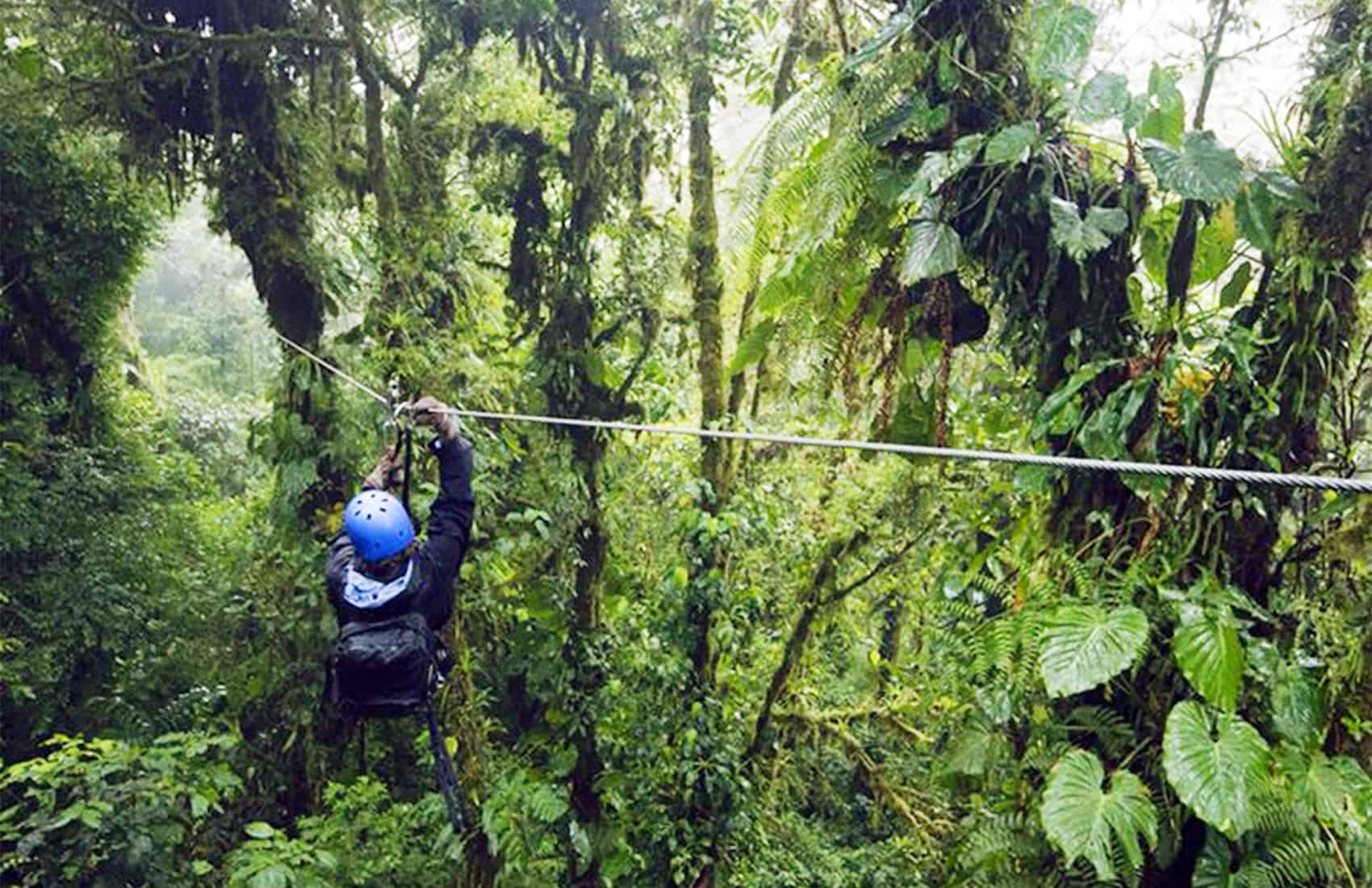
- Outdoor tours: Since August 1, all outdoors tourist activities are permitted. This includes walks, hikes, canopy, cable cars, raft rides, water recreational activities and aerial recreational activities.
- Meetings: Since September 9, meetings of 75 up to people are permitted.
- Casinos: As of October 8, all casinos that are located in hotels can operate.
Measures for the reopening of borders
- Air opening: As of November 1, all international tourists who meet entry requirements can enter Costa Rica.
- Maritime opening: Passengers who meet migratory requirements can enter via the sea to the five marinas in the country (Papagayo, Los Sueños, Pez Vela, Bahía Banana and Bahía Golfito).
Measures to strengthen competitiveness
- Jet fuel price: Costa Rica arranged a 5% reduction in the price of jet fuel, which will benefit airlines seeking to regain air connectivity in the country.
Measures promoted by the Economic Council
- Credit readjustments: Directive 075-H, directed at the commercial banks, provides liquidity to households and companies through readjustments loans that contemplate a decrease in interest rates and term extensions.
- Working capital: Public banks made available $970 million for working capital and guarantees within the framework of the Post COVID-19 Recovery Strategy.
- The Guarantee Fund: The Central American Bank for Economic Integration and the Government of Costa Rica signed the loan contract for $300 million that will serve as the basis for the creation of the National Guarantee Fund, for the reactivation economic and support to debtors affected by the pandemic.
Legislative initiatives supported by the ICT
- VAT moratorium: Duly credited companies are exempted from the value-added tax for one more year, which is key in a situation of recovery from a pandemic.
- Long weekends: Four holidays that fall on weekends during 2020 and 2021 were moved to Mondays in order to support the tourism sector.





