

Originally published in The Mark News and used here with permission. See the original post.
On Oct. 28, the United Nations General Assembly voted overwhelmingly for the 23rd year in a row to condemn the United States’ tough embargo on Cuba as a unilateral interference in free trade. Coincidentally, the U.N. system is tackling the devastating spread of the Ebola virus in West Africa and urging states to contribute medical and financial resources to stem the outbreak.
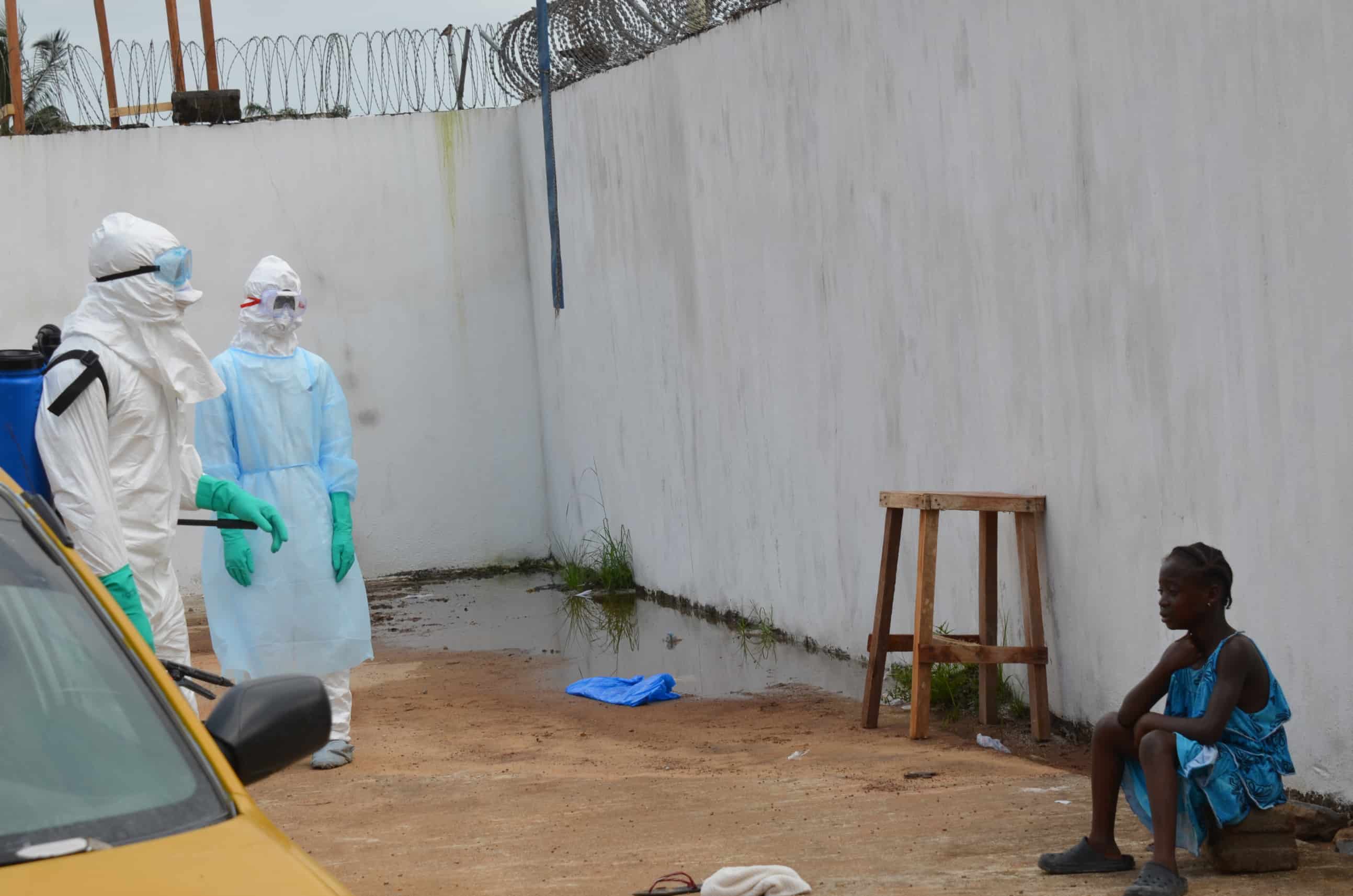
Ironically, Cuba and the United States have led the world in responding to the call for help, rushing hundreds of medical workers, military personnel, equipment, and other resources to Liberia, Sierra Leone and Guinea to treat Ebola’s victims and prevent the epidemic from spreading. Could this be the moment for both countries to set aside their differences and join forces for the greater good?
The answer is a qualified yes. The onerous U.S. embargo poses no obstacles to such cooperation, and in any event, bilateral assistance for humanitarian reasons, including food and medicine, is a well-established exception to the rule. So there is no legal reason why U.S. personnel could not work alongside Cuban doctors and nurses in a third country to provide humanitarian aid to the stricken.
Moreover, there are precedents for this kind of cooperation. In 2010, in response to the devastating earthquake in Haiti, U.S. and Cuban personnel worked together to provide emergency care, including the provision of U.S. medical supplies to field hospitals staffed by Cuban doctors.
Cooperation was so positively received that the two sides launched high-level discussions about a joint project to build a new hospital in rural Haiti to be staffed in part by Cuban medical personnel.
Yet, as in so many other instances, cooperation between Havana and Washington broke down. This time, the dispute concerned a Bush-era program allowing Cuban doctors and other health personnel easy immigration into the United States. Cuba insisted that the program be dropped.
Already, nearly 1,600 Cuban health workers have taken advantage of the enticement, which undermines Cuba’s well-regarded health-care system, a pride of the revolution.
Proponents of the expedited visa program, on the other hand, argue that these medical workers are forced to work for Cuba’s public health service under the island’s restrictive labor laws. Given their specialized medical training, they alsohave a much harder time than other Cubans gaining permission to leave the island, even under the more relaxed travel policies that Cuba adopted in 2012.
U.S. President Barack Obama has a unique opportunity to show the world that the United States can rise above old hostilities for the sake of saving lives. He can immediately use his executive authority to suspend the discretionary parole program for any Cuban medical worker who is deployed to West Africa in response to the Ebola outbreak, and thereby stem Cuba’s professional brain drain.
Cuba has sent more than 50,000 medical personnel to 66 countries (more than those deployed by the G7 combined), and is now the biggest single provider of health-care workers to the Ebola crisis in West Africa. For their part, the Cubans could address concerns about the nature of their highly touted medical missionary work by giving participants in their medical brigades the option of serving abroad as volunteers, not conscripts, at no cost to their careers if they say no, and with higher pay if they say yes.
The timing for such a move is ripe. Since Obama eased the embargo in his first term by allowing more Cuban Americans to visit and send remittances to their relatives, and facilitating other categories of travel to the island, people on both sides of the Florida Straits are reconnecting in myriad ways, slowly rebuilding the bridge that has long divided the two countries.
Both sides have begun cooperating in modest but pragmatic ways, in such areas as counternarcotics, aviation security, marine environmental affairs and migration. This would be one additional step on the path toward the reconciliation that a majority of U.S. citizens, including Cuban Americans in Florida, want and deserve.
The next steps, however, will be even more important. After the November elections, President Obama should signal his willingness to improve relations with Cuba by ending more travel and remittances restrictions, expanding support to Cuba’s emerging private sector, and engaging in high-level talks to remove Cuba from the U.S. list of state sponsors of terrorism.
Action on key cases involving citizens held in prison in both countries should be on the agenda as well, but not as a precondition for talks. And, assuming cooperation in West Africa goes well, President Obama should broaden the scope and timeline of the suspension of the medical parole program.
Now is the time to take these steps, before President Obama travels to the Summit of the Americas in Panama in April. There, he and Cuban President Raúl Castro should finally talk face-to-face, without preconditions, and set a path toward reconciliation through dialogue. It would be a great legacy for both presidents as they depart office in just a few years.
Ted Piccone spent eight years as a senior foreign policy adviser in the Clinton administration, including on the National Security Council staff, at the State Department’s Office of Policy Planning and the Office of the Secretary of Defense at the Pentagon. He is now a senior fellow with the Project on International Order and Strategy and Latin America Initiative in the Foreign Policy Program at the Brookings Institution.
© 2014, The Mark News, www.themarknews.com.





