

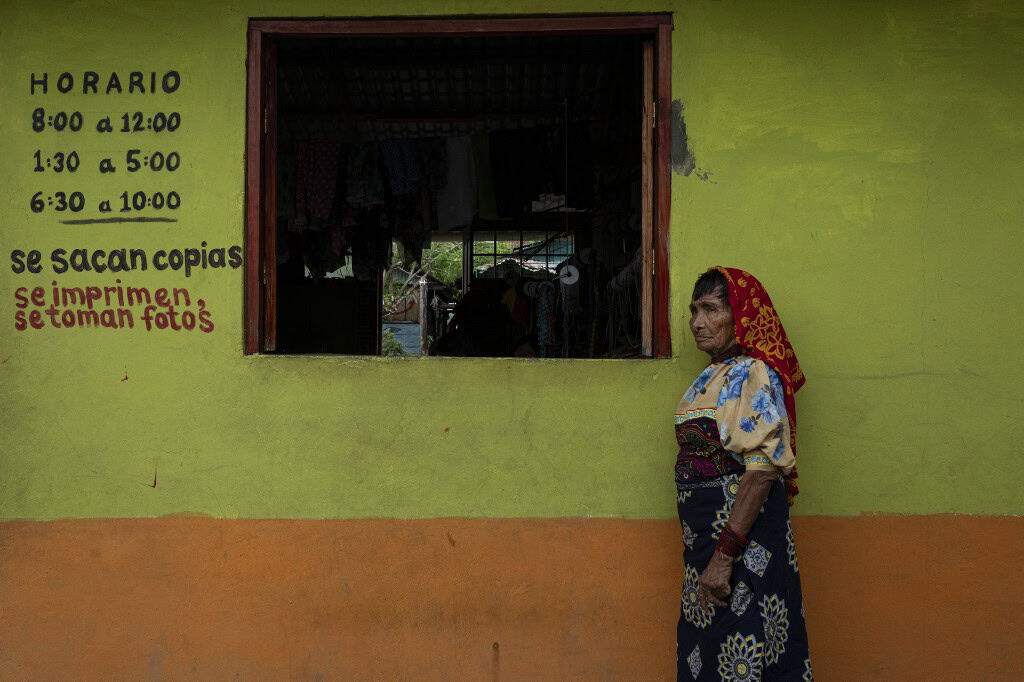
Panama’s government faces mounting pressure to relocate more Indigenous Guna families from low-lying Caribbean islands as sea levels continue to rise, building on the 2024 move of over 1,200 residents from Gardi Sugdub.
The relocation effort highlights the direct impact of climate change on vulnerable communities in the Guna Yala archipelago, also known as the San Blas Islands. These coral atolls, home to the Guna people for generations, sit just 50 centimeters to one meter above sea level. Scientists project an 80-centimeter rise in surrounding waters by the century’s end, making many islands uninhabitable by 2050.
In June 2024, Panama completed Latin America’s first large-scale planned climate migration. Around 300 families, totaling about 1,350 people, left Gardi Sugdub for a new mainland settlement called Isberyala, located a short boat ride and drive away.
The government spent $15 million on the project, with support from the Inter-American Development Bank. The site includes uniform houses with yards for planting cassava and plantains, paved roads, a school equipped with computers and sports fields, and a traditional meeting house.
Residents now have reliable electricity, though water supplies remain limited to a few hours daily and sometimes fail. The move addressed overcrowding on the island, where flooding had become routine during rainy seasons, with waves reaching inside homes. Guna families rely on fishing, tourism, and mainland farming for their livelihoods, all tied to their coastal way of life.
Not all agreed to leave. Roughly 100 people stayed on Gardi Sugdub, citing doubts about the climate risks or deep cultural attachments to the sea. One holdout described the island’s empty homes and the loss of community sounds, while relocated families spoke of missing friends and the ocean’s proximity. They brought only essentials, leaving much behind.
Environment Minister Juan Carlos Navarro called the situation in Guna Yala a major concern. “President José Raúl Mulino has instructed us to prioritize this issue,” he said. Navarro noted the cultural hurdles, as Guna history and traditions center on the sea. The comarca operates under its own laws, requiring consent from local authorities for any government action.
“It is an ongoing process,” Navarro added. “Culturally it is very difficult for them, but we will continue working with Indigenous authorities to take the measures needed for their well-being.”
By early 2025, most relocated families had settled in Isberyala, where leaders emphasized preserving Guna customs through music, dances, and crafts taught in the new school. Yet challenges persist. The settlement lacks a hospital, forcing trips back to the island for medical care. Plans to build one stalled years ago, with hopes for revival this year.
Authorities now assess options for those who remained on Gardi Sugdub. Meanwhile, other islands face similar threats. In April 2025, preparations began for relocating families from Ukupa, another Guna community hit by erosion and storms. Human Rights Watch urged Panama to speed up its national relocation policy, with a draft decree expected by April’s end to guide future moves.
The policy aims to involve affected communities from the start, learning from Gardi Sugdub’s delays and incomplete infrastructure. Without swift action, more families risk sudden displacement.
Legal experts argue Panama holds obligations under international human rights law and its constitution to protect Guna rights to life, housing, and self-determination. Treaties like the Paris Agreement and UN frameworks demand preventive steps against climate harm, including relocations with informed consent.
Tourism, which provides 80 percent of Guna income, adds strain. Boat pollution and waste harm reefs and fish stocks, while cultural shifts from outsiders challenge traditions like matriarchal structures and shamanism.
As sea levels climb at 3.4 millimeters per year near Gardi Sugdub—double the global average—the Guna confront an existential threat. Community leaders warn their way of life could vanish in a decade without broader protections.
Panama’s efforts set a potential model for the region, where millions along coasts face similar risks. The government must balance urgency with respect for Indigenous autonomy to safeguard these families.





