

See also: The preemptive strike against Uber and what it means for doing business in Costa Rica
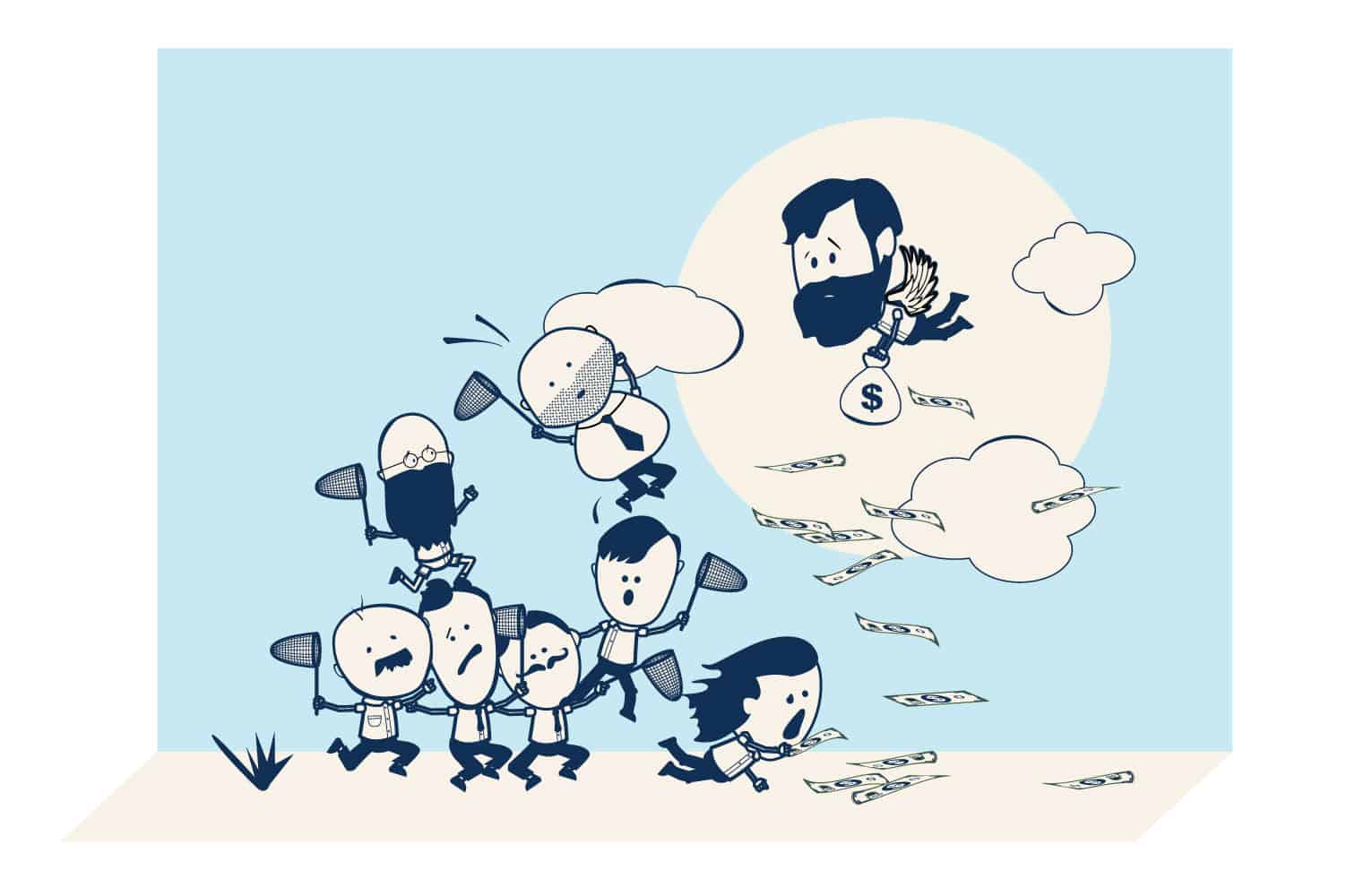
Many argue that there’s enough private investment money available, both local and foreign, to fund good startups in Costa Rica. The number of startups being created seems to be steadily rising, along with the number of events, programs and incubators wanting to help develop them. However, although there’s no hard data on it, the feeling many entrepreneurs have is that somehow that money is not finding its way into early-stage ventures.
Investing or finding investment, depending on which side of the street you happen to find yourself on, is a game where two parties with very different objectives and incentives must come together and try to create value. In Costa Rica, venture capital is still in a very early stage. Although there are lots of potential local investors, not many of them are sophisticated enough or have the risk tolerance necessary to invest in startups, especially early-stage ones. At the same time, those few local investors who do want to finance startups, gathered around investment clubs or accelerators, sometimes have a hard time finding the right match for their expectations. I’ve also come across foreigners seeking opportunities to invest but having a hard time getting deals to materialize.
What is it, then? What is not adding up? There is a reasonable number of startups available, and enough capital to get them moving – especially when you consider that early stage investment usually doesn’t require huge amounts of money. The right pieces seem to be there, but they’re not matching somehow. Entrepreneurs are still not talking the investors’ language; the investors are not yet very familiar or comfortable with the augmented risks of venture capital; and expats don’t necessarily have the networks to find the right projects.
Out of dozens of conversations with local and foreign investors and an equally high number of entrepreneurs, I’ve come to spot some common themes that seem to be getting in the way of these groups coming together.
The most common obstacles I’ve found prevent investors from striking good deals with local entrepreneurs are usually related to valuation issues and equity expectations, and have to do with:
- A “money trumps all” mentality: This type of investor assumes the only value of the company is the cash infused into it. She will “let the entrepreneur have a small piece of the company” if he works his ass off. The investor’s expectation of having north of 70% of the company destroys any long-term incentive for the entrepreneur, who most of the time walks away from the deal.
- Sweat equity is converted to its (job) market value: Here the investor tries to be fair to the entrepreneur, recognizing that the expertise and everyday work of the entrepreneur is vital as well. The rationale for assigning the value is what proves challenging, because how do you value the founder’s hours and expertise? A solution I’ve seen investors propose is to convert that time to a dollar amount based on what the entrepreneur might be making if he had a job – then take that yearly amount and “buy” the founder’s equity stake with it. Although decidedly more reasonable than the first scenario, the problem is that this structuring of the deal still leaves the investor with the upper hand, and essentially turns the entrepreneur into an employee.
- Charging (too much) for connections and expertise: Here, an investor over-values what his expertise brings to the table, asking for too much of an equity stake for it. In reality, investors are usually not very involved in the day-to-day activities of the business, and although they definitely open doors, chances are their expertise will make an impact in the monthly meeting at the most.
On the side of the entrepreneurs, the main obstacles for them to successfully find angel investment have to do with:
- Lack of understanding of the investor’s perspective: An investor is looking for an exit and a reasonable return, and will compare with alternative investment vehicles when assessing his risk/return. Most entrepreneurs pitching for funds often focus too much on the innovative aspects of the business model, or on how great the product is. However, those factors are important only insofar as they lead to an exit where $100 dollars will turn into X $100. Find that X and a plan that shows how you will achieve it, and you’ll have the investor’s attention.
- A “work trumps all” mentality: The entrepreneur over-values his input in terms of work or expertise and expects a disproportionate equity stake. “I’ll be doing all the work, so I should have the majority” seems like a reasonable argument until it prevents the entrepreneur from realizing how splitting the cake more evenly among different actors might take her further.
- The notion that it’s someone’s duty to help entrepreneurs: I’ve heard it time and time again: “There’s no support for entrepreneurs in this country.” Although for cultural and historical reasons, we have traditionally expected the government to assist us, the truth is that nobody, especially investors, has a responsibility towards startups.
As we create more spaces for investors and entrepreneurs to meet and talk, this gap of understanding closes and both stakeholders become more aware of each other’s interests and incentives. Intermediation by accelerators and individuals helps a great deal, and eventually the ecosystem will mature to a point when it is no longer necessary. Learning from more developed markets and having our startups learn from them is another way to go. There are many online resources that can help do some benchmarking to calibrate expectations: this is a good article to get started. Tools like Equidam help solve the art of valuation at very early stages.
If we succeed in developing Costa Rica’s capacity to generate innovative startups, we can increase the number of entrepreneurs and investors. However, given our scale, an even better alternative is to improve their capacity to understand each other, work together and join forces to create value.
Read more “Doing Business columns” here.
Randall Trejos works as a business developer, helping startups and medium-sized companies grow. He’s the co-director of the Founder Institute in Costa Rica and a strategy consultant at Grupo Impulso. You can follow his blog La Catapulta or contact him through LinkedIn. Stay tuned for the next edition of “Doing Business,” published twice-monthly.





