

Costa Rica could gradually lose part of its ability to monitor earthquakes, track volcanic activity, and issue early warnings if the country does not restore permanent funding for its scientific monitoring networks, the Volcanological and Seismological Observatory of Costa Rica has warned.
OVSICORI Director Esteban Chávez said the country’s seismic and volcanic monitoring system has been weakening since 2023, when the networks lost a stable source of financing. The concern is not that the system will collapse overnight, but that stations will begin failing one by one without enough money to replace equipment, upgrade technology, or expand coverage.
“We are going to lose instrumental coverage in Costa Rica. We will no longer have eyes or ears in the field,” Chávez warned. The monitoring networks were previously supported with resources from the National Emergency Fund, which was financed by surpluses from public institutions. After changes tied to the Law on Strengthening Public Finances, those resources were redirected to the Ministry of Finance and stopped serving as a permanent source of support for the scientific networks.
OVSICORI, the National Seismological Network, the Seismic Engineering Laboratory at the University of Costa Rica, and the National Meteorological Institute are now operating with funds that were not disbursed during the pandemic and were released later. Those resources are running down, forcing agencies to focus on keeping existing equipment working rather than buying new stations or improving coverage.
Chávez said salaries for scientific and technical staff are not the issue, since those are covered through the Special Fund for Higher Education. The problem is the equipment in the field: seismic stations, volcanic sensors, batteries, solar panels, wiring, communications systems, and other instruments that need constant maintenance.
Costa Rica’s monitoring system detects more than 1,000 earthquakes per month, tracks active volcanoes, and supports early warning alerts that can reach people seconds before strong shaking arrives. That capacity depends on more than 300 pieces of equipment installed across the country.
Each station can cost around $25,000 before adding batteries, solar panels, wiring, and technical maintenance. The annual operating cost of the network is estimated at about ₡600 million, or roughly $1.2 million.
The early warning system depends directly on stations placed in the field. If enough stations fail, the system loses resolution, making it harder to locate earthquakes quickly and accurately. A smaller network would also weaken the country’s ability to monitor aftershocks, study active faults, and understand volcanic behavior in real time.
The warning carries particular weight in Costa Rica, where earthquakes and volcanic activity are part of daily risk management. OVSICORI’s data is used by the National Emergency Commission, SINAC, and other public institutions that make decisions during emergencies, including alerts, park closures, evacuations, and public safety measures.
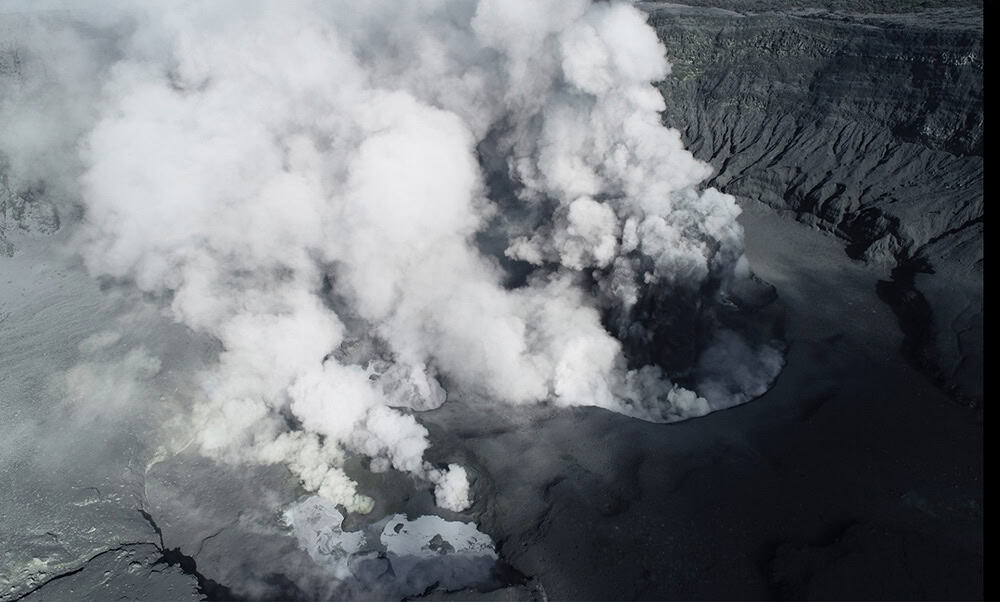
Volcanic monitoring is also important for tourism. Parks such as Poás, Irazú, Rincón de la Vieja, and Turrialba depend on scientific information to guide safety decisions when gas emissions, eruptions, ashfall, or seismic swarms increase. A reduction in field stations would mean less real-time information in areas visited by residents and tourists.
Chávez said the loss of coverage would reduce Costa Rica’s ability to anticipate volcanic or tectonic processes and respond quickly when conditions change. Stations also allow scientists to install temporary networks after major earthquakes to monitor aftershocks and evaluate additional risks.
A bill before the Legislative Assembly seeks to create a permanent funding source for the monitoring networks. The proposal, Legislative File 24.738, would add a new article to the National Emergency and Risk Prevention Law and finance OVSICORI, the National Seismological Network, the UCR Seismic Engineering Laboratory, and the National Meteorological Institute through a 0.60% charge on certain insurance premiums.
The proposal is expected to raise about ₡2 billion a year for equipment, maintenance, modernization, and expansion. Under the plan, OVSICORI would receive around 35% of the total, close to ₡600 million annually.
For now, the networks continue operating. The concern from scientists is what happens over time if Costa Rica keeps depending on leftover funds rather than a stable budget for one of the country’s main disaster-prevention systems.





