
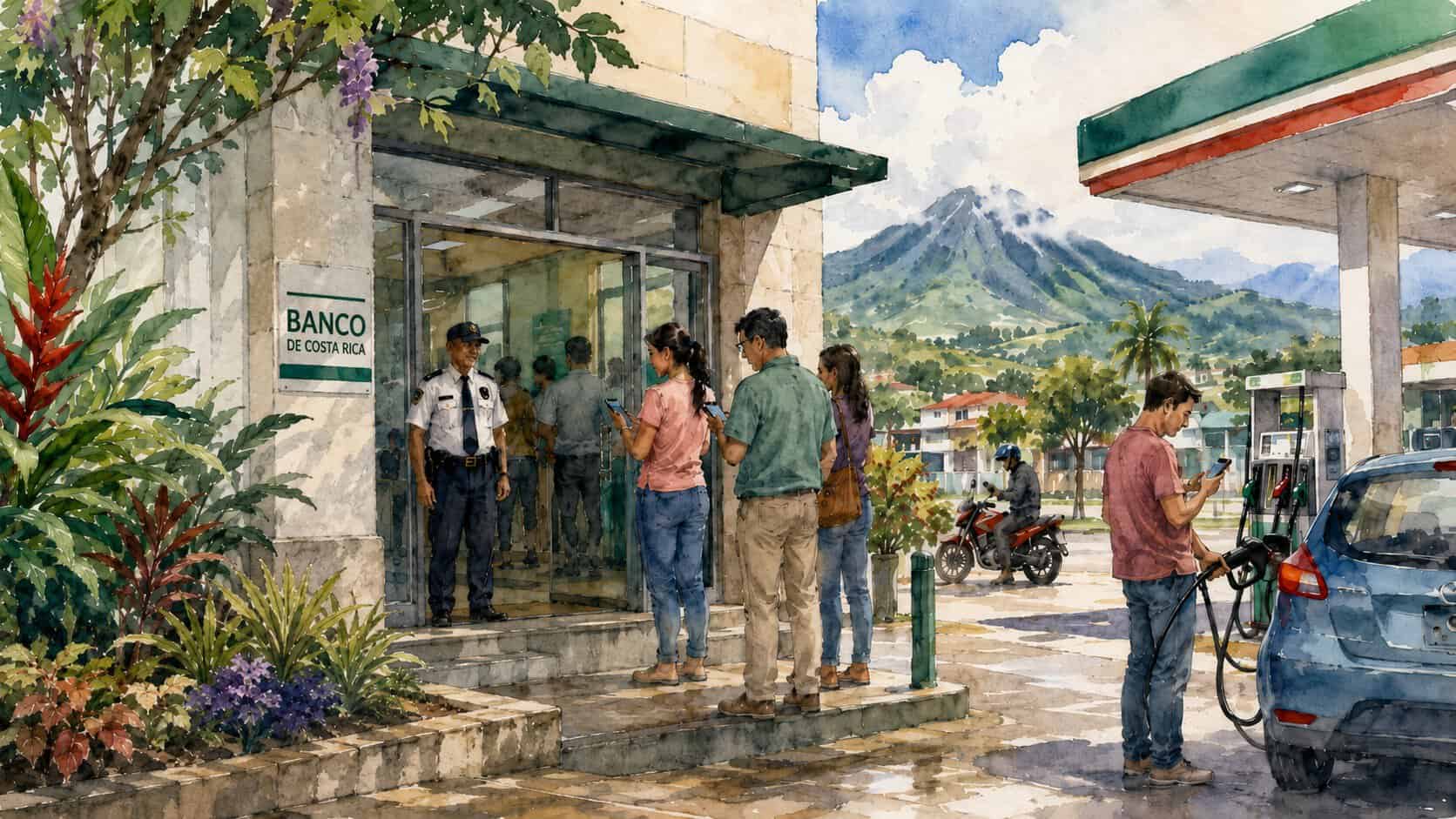
Is there any device that humans now use more frequently and publicly than the cell phone? Once merely a portable telephone and text message sender, the cell phone is now an all-purpose communication and life center, indispensable to most, and certainly to anyone living and working on the grid. With more than 4,000 signal towers throughout the country, coverage is thorough, with only the more remote and mountainous areas having weak signals.
Years ago, I swore I would never own a cell phone. Now I rarely leave the house without it. I send messages via WhatsApp, read the news from Reuters, the BBC and The New York Times, check scores on ESPN, and, for hiking or working out, pop in a pair of earbuds and jam to my own personal song list.
And for a final benefit, as someone who has been busted too many times talking to himself in public, my cell phone serves yet another purpose. I call it my handheld device that lets me talk to myself all I want in public without anybody noticing. With people glued to their cell phones everywhere you look, it is interesting to remember places where use of the cell phone was prohibited in the not-too-distant past.
Starting in 2005 and extending for a decade, nothing got the attention of a bank guard faster than someone using their cell phone while waiting for a teller. Even the act of pulling your cell phone from your pocket was enough to receive a rapid response and an order to put it away.
What was the reasoning behind this rule? This security measure was said by bank spokesmen to prevent robbers from “marking” customers who were withdrawing money.
Something happened in the U.S. in the same year. A woman named Candice Rose Martinez, also known as “The Cell Phone Bandit,” was caught on camera robbing banks in the Washington, D.C., area. In each photo, she casually spoke on her phone after handing a robbery note to the teller. She was speaking with her boyfriend, who waited outside in the getaway car. She was soon arrested and served more than ten years before being paroled.
This was a well-publicized case and made the Spanish-language media. It is a safe bet that the images of her using a cell phone as a distraction also were a factor in the decade-long ban. Gas stations were another location where one handled their cell phone away from the eyes of the attendants. There were signs visible at every pump reading “Apaga el celular,” or something similar.
You can find old YouTube videos of fires in gas stations that were allegedly caused by cell phone use. These clips were widely circulated and helped fuel the paranoia. So, was there a reason to ban cell phone use while pumping gas? No. Extensive testing by experts, including the Petroleum Equipment Institute and various independent researchers, found no documented cases of a cell phone battery or signal igniting gasoline vapors. The primary fire hazards at a gas station are static electricity and human distraction.
MythBusters devoted a segment to proving this as well, disproving the belief that a cell phone can cause a gas pump explosion. While it seems this should be a closed case, there are still doubters, and as recently as 2025, videos were released to assure the public that their cell phones aren’t doubling as handheld incendiary devices.
So now, when you walk into a bank and see most of the waiting customers engrossed in their phones, or pull into a gas station and openly scan your phone for the score of a game in progress, remember it wasn’t always this way.
Enjoy your freedom to openly scroll in any public place.
Read more of Don Mateo’s writing from his newly published ebook.