

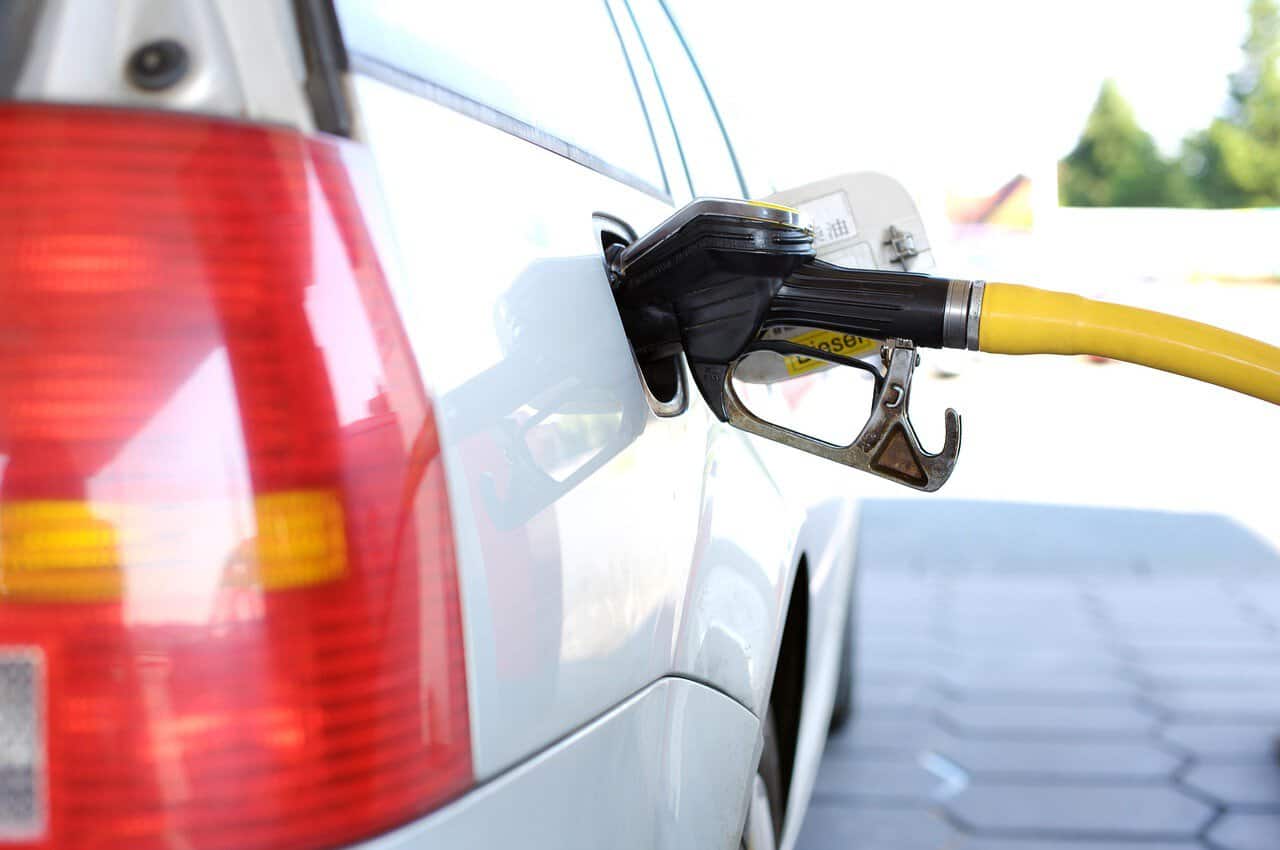
Drivers in Costa Rica will soon pay substantially less for super gasoline and diesel after regulators approved fuel-price reductions of up to ₡79 per liter. The Public Services Regulatory Authority (Aresep), approved the changes on Friday, July 31. The new prices will take effect the day after the resolution is published in the official government newspaper, La Gaceta.
Super gasoline will fall by ₡55, from ₡756 to ₡701 per liter. Diesel will receive the largest reduction, dropping by ₡79 from ₡683 to ₡604 per liter. Regular gasoline will remain unchanged at ₡755 per liter. The unusual price structure means super gasoline will cost ₡54 less per liter than regular once the adjustment takes effect. Drivers should still follow the octane recommendation in their vehicle’s owner manual rather than choosing fuel based only on price.
The reductions will produce noticeable savings for motorists and businesses that rely on diesel vehicles. Filling a 50-liter tank, equivalent to about 13.2 gallons, will cost ₡2,750 less with super gasoline and ₡3,950 less with diesel. A 60-liter diesel fill-up will cost ₡4,740 less than under the current price.
Households that use cooking gas will also receive some relief. The price of a standard 25-pound liquefied petroleum gas cylinder will fall by ₡451, bringing its price to approximately ₡6,989. The Refinadora Costarricense de Petróleo, Costa Rica’s state-owned fuel importer, attributed the reductions largely to lower international purchasing costs during the period used to calculate the adjustment.
An increase in global oil supplies and reduced pressure on international energy markets helped lower acquisition costs. The appreciation of the Costa Rican colón against the U.S. dollar also contributed because the purchases fuel internationally in dollars. Fuel prices in Costa Rica are regulated and generally remain consistent across service stations. Aresep calculates adjustments using international fuel costs, exchange-rate movements, taxes and the expenses involved in importing, distributing and selling fuel.
The latest reductions provide some relief after fuel prices rose sharply earlier in 2026 amid international market volatility and geopolitical tensions. Additional changes remain possible in the coming months. International conflicts, production decisions by oil-exporting countries, shipping costs and movements in the dollar-to-colón exchange rate can all affect future adjustments.
Drivers should double check that whatever service station they go to make sure they have updated their pumps after the new prices formally take effect.





